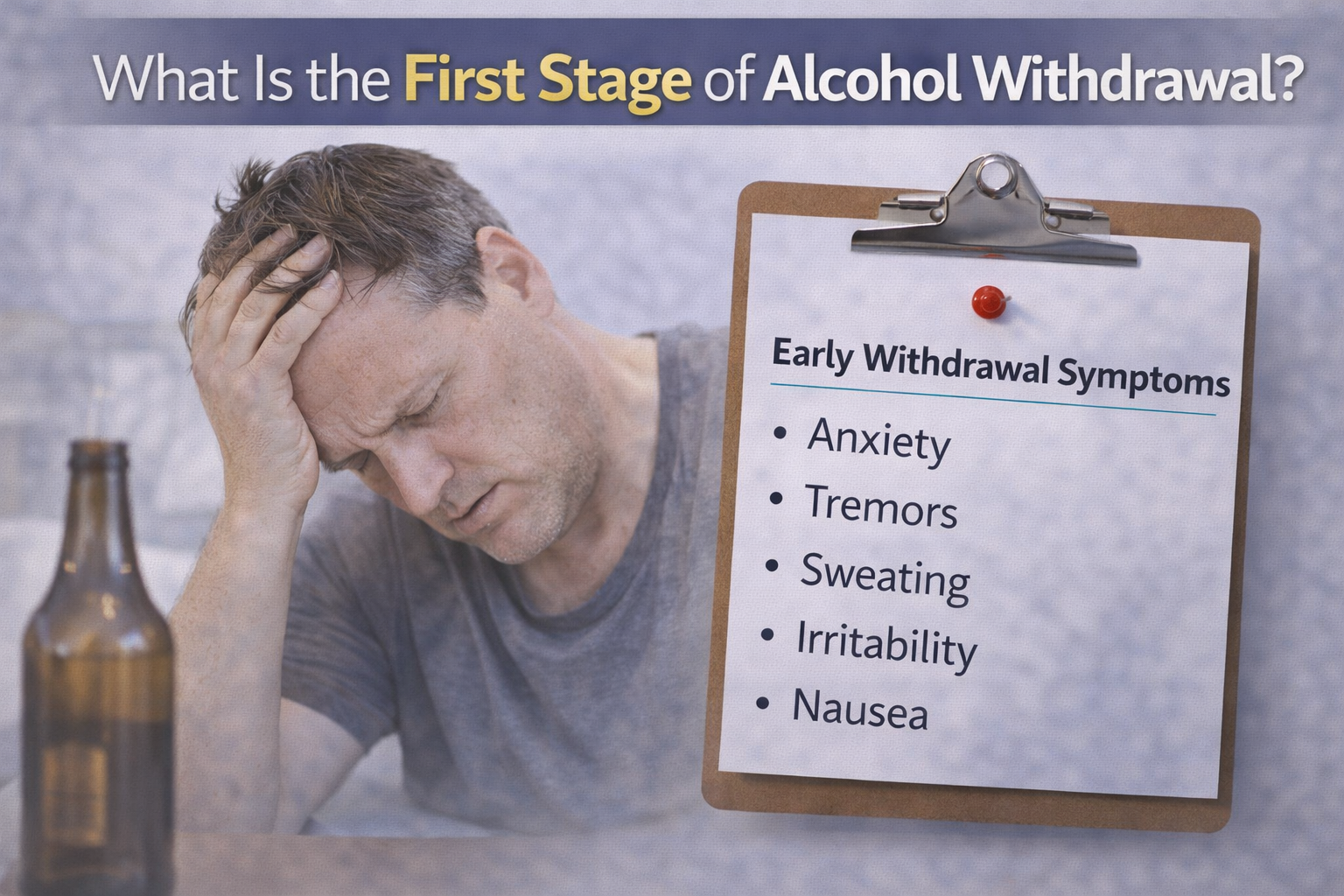

Detox is the process of safely and gradually reducing away of a substance and managing withdrawal symptoms appropriately. There are typically three main steps. Evaluations: In this phase, doctors evaluate your substance use, physical well-being, and any mental illnesses you may have to develop a plan that is uniquely crafted for you.
Stabilization: With the support of medical observation, medication, feeding, and psychological help, withdrawal is managed.
Transition to Treatment: With this type of discharge, patients are referred to therapy or counseling or urged to attend support and recovery programs. These form the basis for safety, security, and comfort and the foundations of long-term sobriety.
1. Evaluation: Understanding Individual Needs
The detox will start the next morning after a full review. This is something for doctors to use to create an individualized, safe plan. Evaluation includes:
- Drug history, Quantum, and frequency, as well as the type of drugs abused.
- Risk and Severity of Withdrawal: How bad for withdrawal?
- Assessing their mental health: Scanning for signs of anxiety, depression, or other issues.
- Check Yourself: Discovering diseases you didn’t know you had, searching for cases.
This is an example of how the detox program bears some relationship to what the patient actually needs. It also prevents withdrawal issues.
2. Stabilization: Managing Withdrawal Safely
The second process, stabilization, serves to help the body adjust to life without Adderall and manage any reactions from withdrawal. Key elements include:
- Medical Staffing: Workers are watching children for things such as seizures, dehydration.
- Medication-Assisted Treatment (MAT): Meds can mute symptoms and cravings.
- Nutrition and Hydration: Good nutrition, vitamins and fluids support your body in healing.
- Emotional Psy Support: Stress therapy, Mood swings therapy, Depression therapy.
This stage is crucial. Concerned about how to support people suffering from COVID. What we can do better, how to stop illness from being fatal or prolonged resources for emotional and nutritional support are too often passed over as the dumb little stuff that really doesn’t matter when, in fact,they may be some of the fuel for recovery, not to mention even making it safer.
3. Recovery journey: Moving into treatment
Detox is only the first step. Long-term recovery requires ongoing support. This phase includes:
- Customized Plans of Care: Personal therapy, counseling, and personal support groups per patient.
- Program Type: Inpatient or Outpatient as per need.
- Education and Aftercare – How to Prevent Relapse, and Other Tips for Living in Recovery.
The sooner we can move people out of detox and into treatment, the better the long-term recovery rate is going to be.
Why Detoxification Matters
Detoxing is not just for toxins. It:
- Minimize Potential Health Risks: An optimal detox can minimize potential health risks during withdrawal.
- MENTAL AND PHYSICAL PREPARATION: A post about preparing yourself and your mind for treatment.
- Builds Recovery Structure: Guides patients to be ready for therapy, counseling, and support.
There’s structure and support with a professional drug detox Las Vegas program. But it’s also dangerous to try detoxing at home, particularly for people with serious substance use disorders.
Conclusion
The first and most significant step to recovery is drug detox. By adhering to Evaluation, Stabilization & Transition to Treatment, participants can withdraw under supervision and be prepped for a life of sobriety. Safety, emotional support and nutrition are guaranteed by professional help. It also helps give them confidence moving forward in recovery. To schedule your appointment with the highest standard of care, visit Sahara West Urgent Care on our website, where you can also explore more informative blogs