Hospital care plays an important role in helping Americans recover from serious health concerns. According to the American Hospital Association, the United States has 6,100 hospitals. Together, these hospitals recorded 35,658,583 admissions. These figures highlight how many people rely on hospital care each year to manage illnesses, injuries, and other health concerns.
Leaving the hospital doesn’t always mean the recovery journey is over. Recovery can take longer than expected, making even simple routines difficult to manage. Leaving the hospital can feel like a huge relief, but getting home doesn’t always make recovery easier. Your body may still feel weak, everyday activities may require extra effort, and managing medications or follow-up appointments can become overwhelming. During this period, a Walk in clinic in Las Vegas can be a convenient option for individuals who need medical attention for non-emergency health concerns or additional support with their recovery.
Moving from hospital care to recovery at home means taking a more active role in your health. Understanding these challenges can help you set realistic expectations. This article looks at some of the challenges you might face as you recover after a hospital stay.
Adjusting to Daily Life After a Hospital Stay
Getting home after a hospital stay can feel like a major milestone, but recovery often continues long after you leave. Your body needs time to recover its strength, especially if you’ve had surgery, been seriously ill, or spent several days in the hospital. Even familiar activities can leave you worn out, so give yourself time to adjust and don’t rush back into your usual routine.
As you move from the hospital to recovery at home, the right medical guidance and support become essential. Dr. Jeffrey Millstein, regional medical director for Penn Primary and Specialty Care, emphasizes the importance of coordinated care during this transition. He notes that successful recovery depends on effective communication between hospital and outpatient care teams, along with adequate support for patients.
However, recovery involves more than managing physical symptoms and coordinating medical care. It also requires adjusting emotionally to changes in your daily life. You may feel frustrated by your temporary dependence on others or worried about experiencing setbacks. Be patient with yourself, accept support when it’s offered, and give yourself plenty of time to rest as you adjust to being home.
Managing Medications and Following Discharge Instructions
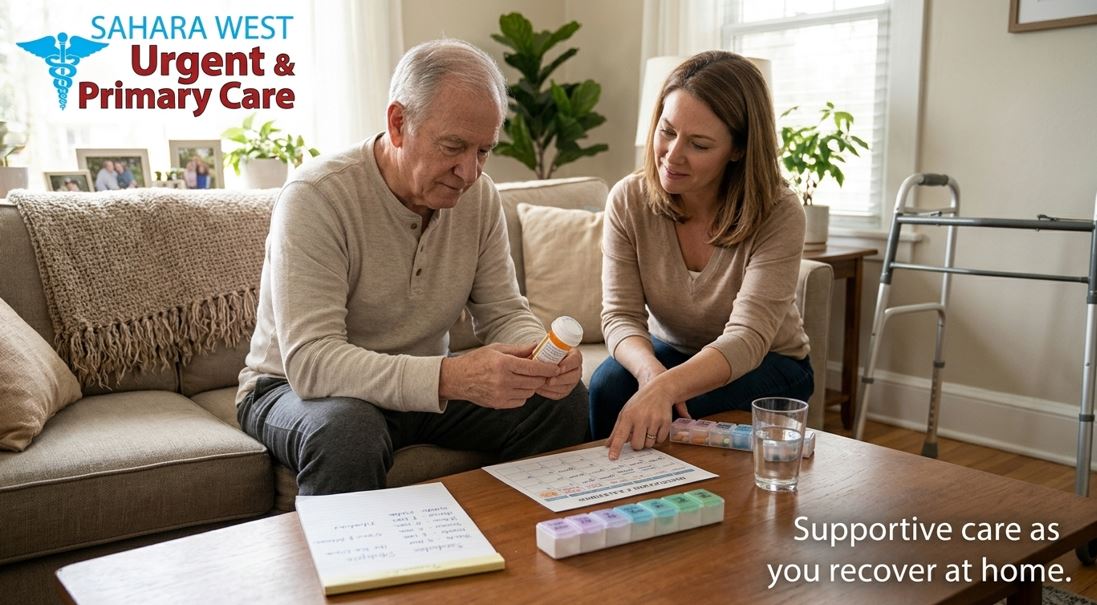
After leaving the hospital, taking your medications as directed and following your discharge instructions can help support your recovery. You may be prescribed new medicines, given different dosages, or told to stop taking some medications. It can be tricky to keep everything straight, especially when you’re taking several medicines throughout the day.
Missing doses, taking incorrect amounts, or combining medications without proper guidance can affect your recovery and increase the risk of unwanted side effects. Following the prescribed schedule and attending follow-up appointments helps you stay on track and avoid preventable complications.
For seniors, managing these changes can be particularly challenging. According to MedlinePlus, older adults often take several medicines, and some can interact in ways that cause unwanted or serious side effects. Be sure every provider knows which medicines your loved one takes.
Dispose of any leftover medicines safely. A family member or caregiver can review prescriptions and organize medicines. They can also monitor doses to make medication management safer and less stressful.
Seeking Professional Guidance Beyond Follow-Up Appointments
Recovering after a hospital stay often requires ongoing medical attention beyond routine follow-up appointments. Family Nurse Practitioners can play a key role in monitoring your health and evaluating symptoms. They can also review medications and identify potential complications early. Their advanced nursing education develops skills in patient assessment, chronic disease management, and preventive care.
Registered nurses can pursue advanced training through online schools for nurse practitioner aspirants to build expertise and prepare for a broader role in patient care. This training helps them support patients through different stages of recovery and address their changing healthcare needs.
Patient education and regular communication are important during this transition. Your NP can explain medication instructions, discuss lifestyle adjustments, and help you understand warning signs that require medical attention. They can also communicate with your family caregivers to ensure everyone understands your care needs. This continued guidance helps you feel supported and more confident throughout recovery.
Creating a Supportive Home Environment for Safer Recovery
Creating a supportive home environment can make your recovery after a hospital stay safer and more comfortable. A Springer Nature Link article reveals that four kinds of environments shape recovery in everyday life. These include physical environments that match the patient’s health status and collaborative environments that strengthen family roles. They also include welcoming communities that accept people in recovery and service settings that connect them with the support they need.
You can create this supportive environment through a few practical changes to your living space and daily routine. Start by arranging your living space so that essential items, medications, water, and mobility aids are easy to reach. Keep frequently used belongings within arm’s reach to avoid unnecessary bending or stretching. You can also help prevent falls by removing loose rugs, keeping walking areas clear, and improving the lighting.
Having the right support at home can make everyday responsibilities easier to manage. Family caregivers can assist with meals, personal care, and medication schedules. Medical alert systems offer another layer of reassurance if you need immediate assistance. Stay in regular contact with your healthcare providers and share any changes in your condition to ensure your recovery remains on track.
FAQs
Why is recovery after hospital discharge particularly difficult for older adults?
Recovery can be harder for older adults because aging bodies often heal more slowly. You may also experience reduced strength, mobility challenges, memory difficulties, or existing health conditions. Managing multiple medications and adjusting to daily activities can add stress. Consistent support and proper medical guidance are especially important during this time.
How long does recovery typically take after a hospital stay?
Recovery time depends on your health, the reason for hospitalization, and the treatment received. You may feel better within a few days, but regaining strength can take several weeks or months, especially after surgery or prolonged illness. Follow your healthcare provider’s guidance and allow yourself enough time to heal.
What can family caregivers do to prevent complications after a patient returns home?
Family caregivers can help by following medication schedules, keeping the home safe, and assisting with daily activities. Watch for unusual symptoms, encourage proper nutrition and rest, and arrange follow-up appointments. Stay in touch with healthcare providers and seek medical advice promptly whenever you notice concerning changes in the patient’s condition.
Common Challenges During Recovery After a Hospital Stay
| Recovery challenge | Potential difficulty | Helpful support |
| Physical recovery | Weakness, fatigue, and reduced mobility | Rest, gradual activity, and medical guidance |
| Medication management | Missed doses, dosage changes, and drug interactions | Medication schedules and caregiver assistance |
| Ongoing medical care | Monitoring symptoms and identifying complications | Follow-up appointments and nurse practitioner guidance |
| Home safety | Increased risk of falls and difficulty moving around | Clear walkways, better lighting, and mobility aids |
| Emotional adjustment | Anxiety, frustration, and temporary dependence on others | Family support and regular communication with healthcare providers |
Recovering after a hospital stay is a gradual journey that requires patience, understanding, and realistic expectations. You don’t have to figure everything out or manage every challenge on your own. Accepting support and recognizing your changing needs can make this transition feel less overwhelming. If you experience a health concern that needs prompt attention but isn’t life-threatening, an Urgent care clinic in Las Vegas can provide convenient medical support during your recovery.
Remember that progress looks different for everyone. Take your time and acknowledge every bit of progress you make. Focus on building your confidence as you work toward better health and greater independence.

Rodney Paul is a healthcare content writer and contributor at Sahara West Urgent Care & Wellness in Las Vegas, NV. He focuses on translating clinical guidelines and urgent care topics into clear, accessible information to help patients make informed decisions about same-day medical care, preventive screenings, and wellness services.