
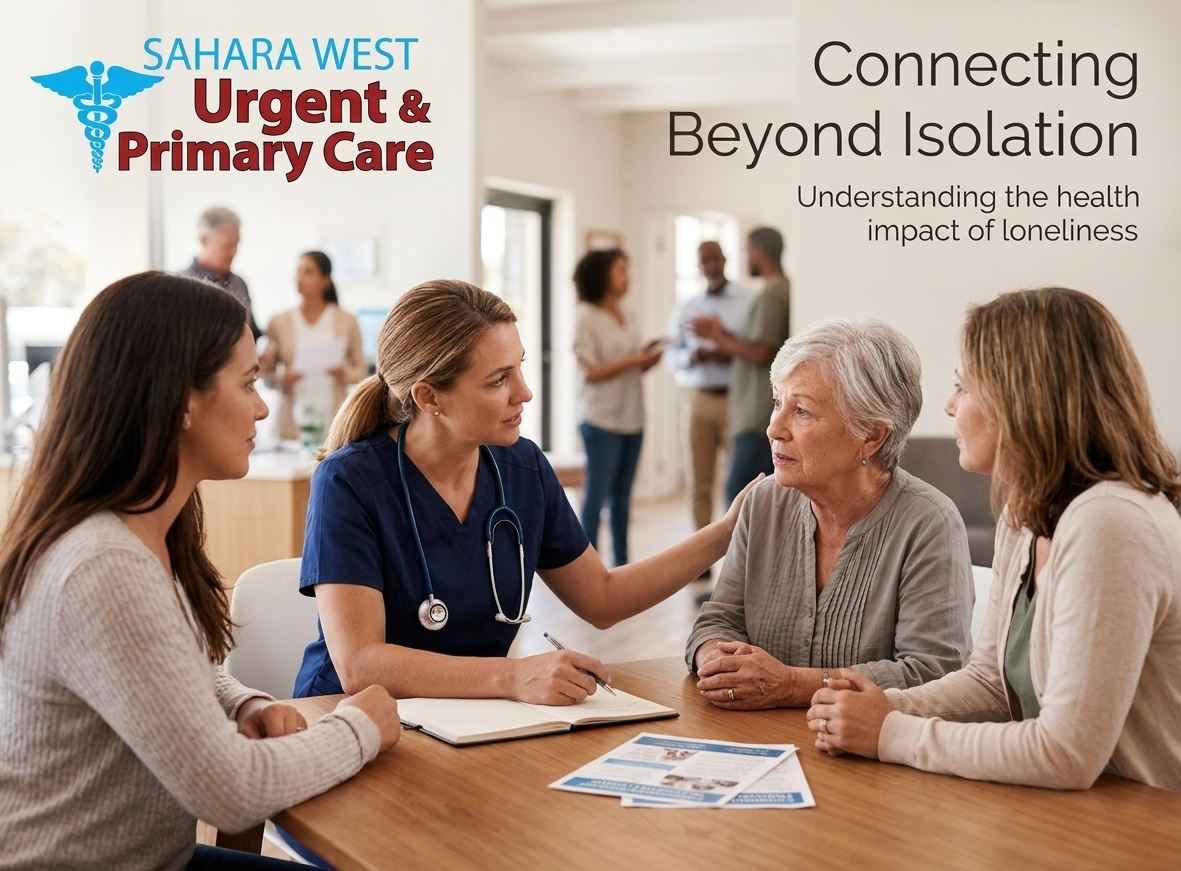
We often think of loneliness as a quiet, personal feeling, an emotional ache during isolated moments. However, science reveals that chronic loneliness is far more than a passing mood. It is a profound physical and psychological stressor. Social connection is a basic human need, and its absence can gradually undermine physical health and psychological wellness.
Prolonged loneliness affects more than emotions, triggering physical changes that influence immunity, brain function, and heart health. It can increase the risk of cognitive decline, anxiety, and depression. Understanding these effects helps individuals build resilience and meaningful connections.
In this article, we’ll examine loneliness’s health effects, warning signs, and practical ways to strengthen relationships and improve well-being.
Why Loneliness Is More Than Just Feeling Alone
Loneliness is more than a temporary feeling of sadness or being alone. It arises from lacking meaningful relationships or feeling disconnected from others. When persistent, it can influence stress responses, daily behaviors, and overall emotional well-being.
Loneliness may encourage social withdrawal, negative thinking, and relationship difficulties. It can also harm physical health through disrupted sleep, unhealthy habits, and elevated stress levels.
The World Health Organization data shows one in six people globally feels lonely, posing major risks to health and well-being. Its global report highlights the serious consequences of social disconnection. Social isolation has serious public health consequences, with estimates attributing over 871,000 deaths each year to loneliness, or roughly 100 deaths per hour.
Why Meaningful Connections Matter for Emotional Well-Being
Meaningful connections help people feel understood, supported, and less isolated. Spending time with loved ones and joining community activities create opportunities to share experiences and build trust. These connections reduce emotional stress and foster belonging during difficult times.
Counseling and support groups provide safe spaces for sharing personal challenges. Also, local social services offer practical assistance and connect individuals with community resources.
Reducing loneliness requires compassionate professionals committed to community care. Flexible online education prepares aspiring workers for these careers while accommodating personal and professional responsibilities. For example, an advanced standing MSW online develops clinical, crisis intervention, and policy skills to support vulnerable communities.
Social workers help people of all ages overcome challenges using theories of human behavior. Their purpose is meeting basic needs and empowering vulnerable populations. By fostering connection, communities can create a more supportive environment where individuals feel valued, understood, and less alone.
How Loneliness Can Affect Mental Health
When social needs go unmet, the brain enters a continuous state of hypervigilance, severely disrupting emotional and psychological balance. Chronic loneliness impairs emotion regulation, making daily stressors feel overwhelming and reinforcing negative thought loops.
Over time, this stress response impairs cognitive function, increases susceptibility to mood disorders, and accelerates cognitive decline among older adults.
The Alzheimer’s Foundation of America reports that loneliness significantly impacts long-term cognitive health. Research shows that individuals experiencing persistent isolation face a 31% greater likelihood of developing dementia, including Alzheimer’s disease. Additionally, chronic loneliness is linked to a 15% increase in general cognitive decline affecting memory and thinking.
The Physical Health Effects of Prolonged Loneliness
When the body perceives social isolation as a threat, it may release excess cortisol, contributing to inflammation and elevated blood pressure. Over time, these changes can strain cardiovascular function and disrupt immune responses. This prolonged physiological stress may increase vulnerability to infections and chronic diseases.
The physical consequences of social disconnect are both measurable and severe. A study available through the National Institutes of Health links social isolation and loneliness to higher cardiovascular and overall mortality risks. Lacking social connections raises coronary heart disease risk by 29% and stroke likelihood by 32%. These findings highlight how prolonged disconnection can threaten long-term physical health.
Everyday Signs That Social Isolation May Be Affecting You
Common signs include avoiding social gatherings, losing interest in hobbies, feeling disconnected from loved ones, and experiencing persistent sadness or irritability. Some people may also notice changes in sleep patterns, difficulty concentrating, low energy, or increased reliance on unhealthy coping habits. These signs do not always indicate loneliness, but persistent changes deserve attention.
Marlee Bower, a Senior Research Fellow, explains in The Independent that loneliness can develop gradually through everyday behavioral changes. Cancelling plans, going out less frequently, and feeling emotionally disconnected may signal growing isolation. Even people with friends or partners can experience loneliness, making changes in routine and social participation important warning signs.
Practical Ways to Build Stronger Social Connections
Building stronger social connections begins with small, consistent efforts. Reaching out to friends, spending quality time with family, and checking in on neighbors can help strengthen relationships. Joining community groups, volunteering, or participating in local activities creates opportunities to meet people with shared interests.
For those who find face-to-face interactions challenging, online communities can offer an accessible starting point. Engaging deeply and listening actively fosters strong trust in relationships. If loneliness persists, counseling or support groups can provide guidance and help individuals develop healthier relationships and a stronger sense of belonging.
Frequently Asked Questions
Can loneliness affect physical health even if someone is otherwise healthy?
Yes, loneliness can impair physical health even in otherwise healthy individuals. Chronic isolation triggers systemic inflammation, elevated blood pressure, and a weakened immune system. Consequently, research demonstrates that sustained loneliness significantly increases the long-term risk of heart disease and stroke.
How can someone overcome loneliness when making friends feels difficult?
Overcoming loneliness begins with taking small, comfortable steps. Start by joining local clubs or online groups centered around shared hobbies to meet like-minded people naturally. Also, practicing self-compassion and seeking professional support can build the confidence needed to cultivate lasting connections.
When should persistent loneliness be discussed with a mental health professional?
Persistent loneliness should be discussed with a professional when it begins interfering with daily functioning, work, or sleep. Seek help if isolation triggers severe anxiety, deep sadness, or hopeless thoughts. A therapist identifies underlying issues while helping restore healthy social bonds.
What the Research Reveals About Loneliness
| Global loneliness | Loneliness impacts about one-sixth of humanity. |
| Loneliness-related deaths | Approximately 100 deaths every hour, totaling more than 871,000 annually. |
| Dementia risk | 31% increased risk associated with persistent isolation. |
| Cognitive decline | 15% increase in general cognitive decline affecting memory and thinking. |
| Coronary heart disease | 29% increased risk among socially isolated individuals. |
| Stroke | 32% increased risk among socially isolated individuals. |
Building Connections for Better Overall Health
Loneliness can affect both mental and physical health, contributing to emotional distress, sleep problems, and an increased risk of chronic conditions. Recognizing the signs of social isolation is an important step toward protecting overall well-being.
When these feelings persist, counseling or support groups can provide valuable assistance. Although building connections may take time, even small efforts to reach out to others can make a difference. Prioritizing social relationships alongside healthy daily habits can support emotional resilience, improve quality of life, and promote better long-term health.

Rodney Paul is a healthcare content writer and contributor at Sahara West Urgent Care & Wellness in Las Vegas, NV. He focuses on translating clinical guidelines and urgent care topics into clear, accessible information to help patients make informed decisions about same-day medical care, preventive screenings, and wellness services.