I. Introduction to Hydration Methods
Water is the fundamental building block of human life, governing everything from cellular repair and cognitive function to cardiovascular stability and thermal regulation.
In recent years, however, a cultural shift has taken place. Elective wellness IV therapy has surged in popularity, moving out of traditional hospital settings and into boutique lounges, promising instant recovery, glowing skin, and rapid revitalization.
To understand which method truly reigns supreme, we must look past wellness marketing and examine the core physiological mechanisms of fluid absorption.
At Sahara West Urgent Care, treating patients in the punishing environment of Las Vegas requires a clinical perspective that balances desert climate realities with evidence-based medicine.
II. The Science of Oral Hydration (Drinking Water)
Drinking water is the body’s natural, evolutionary method for maintaining fluid balance, but the journey from your glass to your cells is a complex biological process.
A. The Digestive Journey: How Ingested Water Moves from the Stomach to the Small Intestine
When you swallow water, it enters your stomach, where it is temporarily stored before being gradually released into the small intestine.
The vast majority of water absorption does not happen in the stomach; instead, it occurs rapidly across the mucosal lining of the small intestine via osmosis.
B. The Role of the Gastrointestinal Barrier and Mucosal Absorption Rates
The intestinal lining acts as a selective barrier, pulling water molecules alongside electrolytes into the extracellular fluid matrix.
This mucosal absorption rate depends heavily on gastric emptying speed, osmolality, and your body’s current hydration status.
C. Factors Influencing Oral Rehydration Speed (Stomach Emptying, Temperature, and Volume)
- Stomach Emptying: Large volumes of cold water empty from the stomach faster than warm or heavily sugared fluids.
- Volume Load: Drinking too much water too quickly can cause gastric discomfort without speeding up cellular uptake.
- Gut Transit Time: Normal digestion takes time, meaning oral fluids require anywhere from 45 minutes to 2 hours to fully distribute into plasma.
D. The Importance of Oral Rehydration Solutions (ORS) and Electrolyte Balance
Plain water lacks sodium and glucose, which are critical for optimal fluid transport.
Using the sodium-glucose cotransport mechanism, oral rehydration solutions pull water molecules aggressively across the intestinal wall, making electrolyte-enhanced water far superior during intense fluid loss.
III. The Science of Intravenous (IV) Therapy
Intravenous infusion bypasses the digestive system entirely, delivering fluids directly where they are needed most.
A. Anatomy of Intravenous Infusion: Direct Access to the Bloodstream via Peripheral Veins
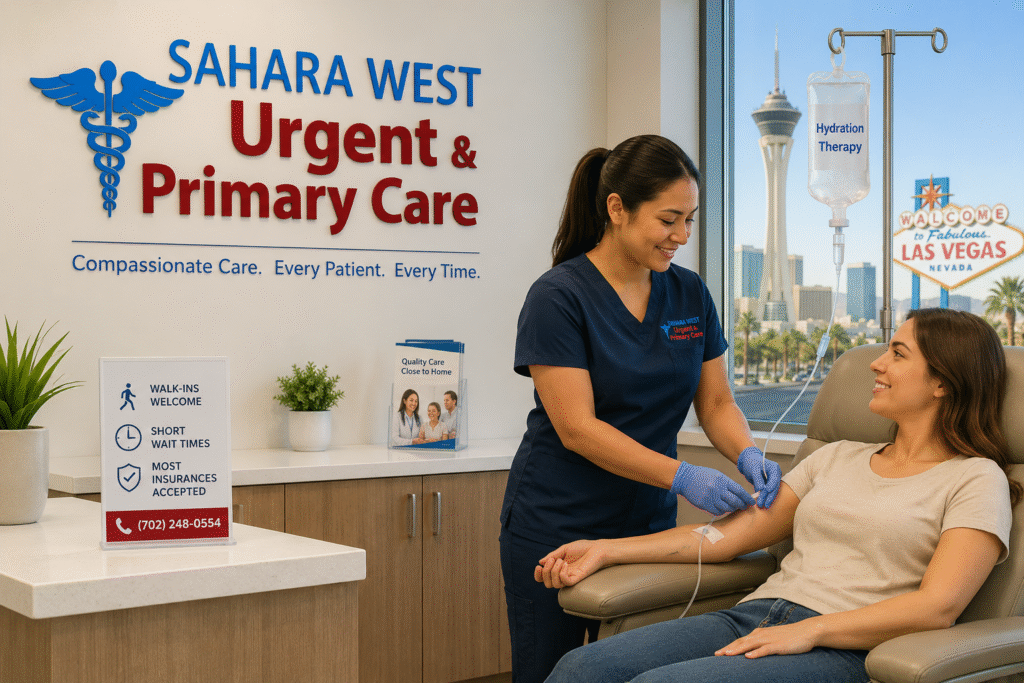
During an IV therapy session, a sterile catheter is inserted into a peripheral vein (typically in the arm or hand).
This establishes a direct pipeline into the body’s circulatory network.
B. 100% Bioavailability: Bypassing the Gastrointestinal Tract Entirely
Because the fluids, vitamins, or medications do not pass through the stomach or liver, IV therapy achieves absolute 100% bioavailability.
Nothing is lost to digestive breakdown or metabolic filtering.
C. Rapid Systemic Distribution and Immediate Plasma Volume Expansion
Once inside the vein, the fluid blends instantly with circulating blood volume, elevating blood pressure and expanding plasma volume within minutes.
This rapid systemic distribution is why clinical IV hydration is the gold standard in emergency medicine.
D. Standard Clinical Indications for IV Therapy
Medical professionals rely on IV therapy for acute, life-disrupting conditions, including:
- Severe dehydration from acute gastroenteritis or food poisoning
- Severe migraine attacks accompanied by intractable vomiting
- Severe hangovers resistant to oral remedies
- Clinical recovery post-surgery or during acute heat exhaustion
Pro Tip: While wellness lounges market IV vitamin therapy for everyday fatigue, true medical-grade IV fluid replacement is designed to treat acute fluid deficits.
IV. Comparative Analysis: Rehydration Speed and Efficiency
When comparing oral intake to an IV infusion, the differences in speed and efficiency are stark.
A. Peak Absorption Timelines: Oral Hydration vs. IV Infusion
- Oral Hydration: Takes 45 minutes to 2 hours for peak systemic distribution.
- IV Infusion: Delivers active fluid expansion immediately, with full bag completion typically taking 30 to 45 minutes.
B. Absorption Rates and Bioavailability Metrics
- Oral Intake: Approximately 50% to 60% effective depending on gut health, hydration status, and gastric contents.
- IV Therapy: Exactly 100% absorption efficiency, bypassing all gastrointestinal variables.
C. Fluid Retention and Distribution Mechanics Within Cellular Compartments
Fluids introduced intravenously quickly shift fluid compartments based on osmolality.
Isotonic solutions like Normal Saline or Lactated Ringer’s expand the extracellular space efficiently without causing cellular swelling.
D. The Myth of Instant Total Cellular Significance
Even though IV fluids enter the bloodstream instantly, cells still require time to pull water across cellular membranes through osmotic gradients.
An IV drip fixes blood volume immediately, but full cellular rehydration is still a metabolic process.
V. Clinical Indications: When Do You Actually Need IV Therapy vs. Water?
Choosing the right rehydration method depends entirely on the severity of your symptoms and your physiological state.
A. Everyday Hydration: Why Drinking Water is Superior, Safe, and Sufficient
For daily maintenance, drinking filtered water paired with a balanced diet is entirely sufficient for healthy individuals.
Your body’s natural thirst mechanism and kidneys regulate fluid balance remarkably well without medical intervention.
B. Mild to Moderate Dehydration: Oral Electrolyte Solutions vs. Water
After a standard gym workout or mild sun exposure, plain water or oral electrolyte solutions easily restore balance.
An expensive IV hydration therapy session is unnecessary for everyday recovery.
C. Severe Dehydration Scenarios Requiring Clinical Intervention
When vomiting, diarrhea, or extreme heat leaves you unable to keep fluids down, oral rehydration fails.
In these acute scenarios, targeted IV therapy becomes a medical necessity rather than a luxury wellness trend.
D. The Sahara West Urgent Care Approach
At Sahara West Urgent Care, our medical team evaluates patients using strict clinical triage criteria.
If persistent vomiting, severe dizziness, or acute electrolyte disturbances render oral intake impossible, our practitioners administer fast-acting IV fluid therapy to stabilize your condition safely.
VI. Safety Profiles, Risks, and Practical Considerations
Understanding the safety and limitations of each method ensures you make smart health choices.
A. Oral Hydration Safety
Drinking water is entirely self-regulating, natural, and virtually risk-free for healthy individuals.
Your body easily disposes of excess fluid through normal urinary output.
B. Medical Risks Associated with IV Therapy
Because IV therapy breaks the skin barrier, it carries minor clinical risks:
- Infiltration or localized bruising at the puncture site
- Phlebitis (vein irritation or inflammation)
- Rare risks of air embolism or localized infection if sterile protocols lapse
C. Risk of Fluid Overload and Electrolyte Imbalances
Receiving unnecessary IV fluids can strain the cardiovascular system, leading to hypervolemia (fluid overload), particularly in patients with underlying heart or kidney conditions.
D. Clinical Settings vs. Boutique IV Bars
Receiving IV hydration inside a licensed medical facility like an urgent care center ensures physician oversight, sterile equipment, and proper medical evaluation safeguards often missing in casual spa settings.
VII. Cost-Effectiveness, Convenience, and Lifestyle Factors
A. Financial Comparison
Drinking filtered tap or bottled water costs pennies, whereas commercial wellness IV therapy sessions can cost hundreds of dollars out-of-pocket.
B. Practical Accessibility
Water is universally accessible on-demand.IV therapy requires traveling to a clinic, scheduling an appointment, and sitting through an infusion process.
C. The Psychology of Wellness Culture
While wellness marketing promotes IV vitamin infusions as a quick fix for lifestyle fatigue, physiological health is best maintained through consistent daily habits.
VIII. Environmental and Regional Factors: The Las Vegas Context
A. The Desert Microclimate Challenge
Las Vegas features an arid desert microclimate characterized by extreme summer heat and single-digit humidity percentages.
This environment causes rapid “insensible fluid loss” sweat evaporating so quickly from your skin that you do not realize you are dehydrating.
B. High-Risk Populations in Southern Nevada
Tourists walking the Strip, outdoor construction workers, local athletes, and elderly residents face compounded dehydration risks in the Mojave Desert.
C. How Local Medical Protocols Handle Acute Fluid Depletion
When desert heat triggers severe heat exhaustion or heat stroke, oral rehydration is too slow.
Our urgent care facility utilizes rapid IV therapy protocols to restore core hemodynamic stability.
Mistake to Avoid: Never wait until you feel dizzy or confused in the Las Vegas heat; seek professional evaluation at an urgent care clinic immediately if heat illness symptoms arise.
IX. Conclusion and Clinical Recommendations
A. Summary of Key Physiological Differences
Drinking water relies on gut absorption and takes hours to fully distribute, whereas IV therapy provides immediate, 100% bioavailable plasma expansion by bypassing the digestive tract entirely.
B. Final Verdict
Oral hydration remains the everyday gold standard for human health. IV therapy is a powerful, highly effective clinical tool reserved for acute illness, severe dehydration, and rapid recovery.
C. Actionable Advice for Las Vegas Residents and Visitors
Drink water consistently throughout the day, incorporate electrolytes when sweating outdoors, and listen to your body’s early warning signs.
D. When to Seek Professional Medical Evaluation
If dehydration symptoms become severe, persistent, or unmanageable at home, trust the expert clinical team at sahara west urgent care to provide comprehensive diagnostic care, expert primary care guidance, and effective IV therapy when you need it most.
Frequently Asked Questions
Q: Does IV therapy hydrate you faster than drinking water?
Yes. IV therapy delivers fluids directly into your bloodstream with 100% bioavailability, bypassing the digestive tract for rapid plasma volume expansion within minutes.
Q: Can I get IV hydration at an urgent care clinic?
Absolutely. Licensed urgent care centers provide professional, medically supervised IV therapy for acute dehydration, severe hangovers, and heat illness.
Q: Is IV vitamin therapy necessary for daily health?
No. For healthy individuals, drinking adequate water and eating a balanced diet is entirely sufficient for daily hydration and nutrient intake.
Q: Why does dehydration happen so fast in Las Vegas?
The extreme heat and low humidity of the Las Vegas desert cause rapid sweat evaporation (insensible fluid loss), which drains body water reserves before thirst signals register.
Q: When should I visit a clinic instead of drinking water for dehydration?
If you experience persistent vomiting, severe dizziness, inability to keep fluids down, or confusion, visit an urgent care facility immediately for evaluation and potential IV fluid replacement.