
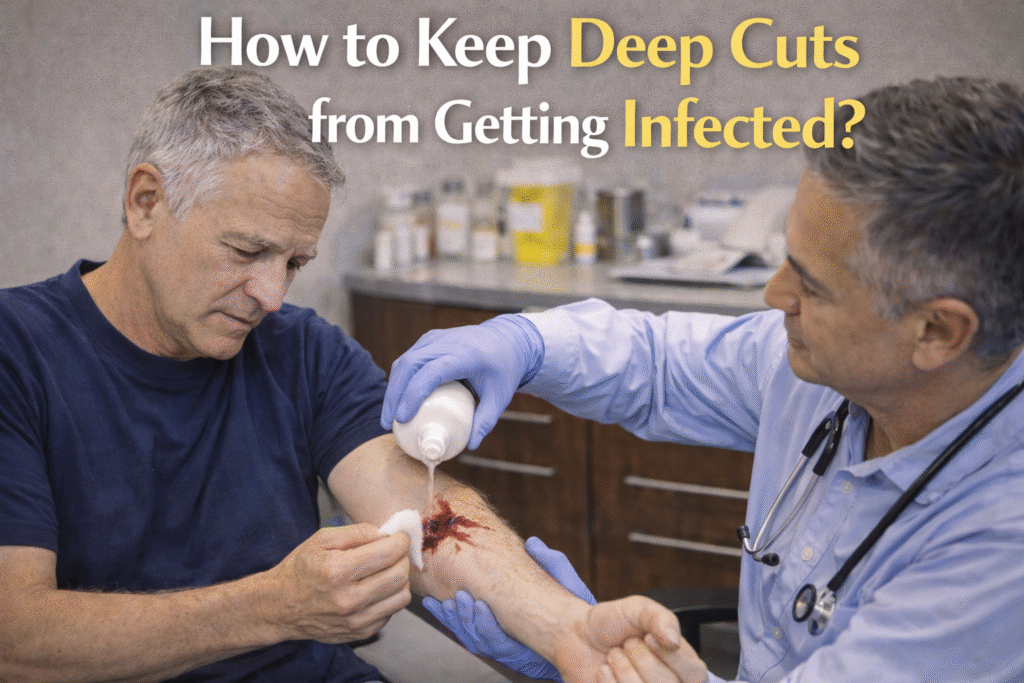
Deep cuts may occur without any prior warning when performing usual tasks, at home in the kitchen or in the field. Whereas minor scrapes can heal without much intervention, deep cuts need immediate attention and proper care to avoid infection. Knowledge on how to prevent the development of deep cuts infection is essential in adopting healthy healing and preventing severe complications that would result in hospitalization and permanent injury of tissue. This is the ultimate guide that will take you through the necessary wound management processes, including the first aid and subsequent care, to ensure your injury is healed in a proper manner and without infection.
Understanding Deep Cuts and Infection Risks
What Qualifies as a Deep Cut
A deep cut penetrates beyond the skin’s surface layers, often reaching the dermis or subcutaneous tissue. These wounds typically bleed profusely, may expose underlying structures like fat or muscle, and often have edges that don’t naturally close together. Deep cuts measuring more than a quarter-inch in depth or longer than three-quarters of an inch usually require professional medical evaluation.
Why Deep Cuts Are Prone to Infection
Deep wounds create an ideal environment for bacterial growth. The damaged tissue provides nutrients for bacteria, while the wound’s depth makes thorough cleaning challenging. Foreign materials like dirt, debris, or clothing fibers can become embedded in the tissue, introducing harmful microorganisms. Additionally, the body’s natural healing process can sometimes seal bacteria inside the wound before proper cleaning occurs, creating a pocket where infection can flourish undetected.
Immediate Steps After Sustaining a Deep Cut
Stop the Bleeding Safely
The first priority when dealing with a deep cut is controlling blood loss. Apply firm, direct pressure using a clean cloth or sterile gauze for at least 10 minutes without peeking, as interrupting pressure restarts the clotting process. If blood soaks through the initial dressing, add more layers on top rather than removing the original cloth. Elevate the injured area above heart level when possible to reduce blood flow to the wound. If you’re experiencing severe bleeding that doesn’t stop after 15 minutes of continuous pressure, you should seek emergency care in Las Vegas immediately, as this could indicate damage to major blood vessels.
Assess Whether Professional Care Is Needed
Certain deep cuts require immediate medical attention rather than home treatment. Visit an urgent care facility or emergency room if the cut is deeper than a quarter-inch, has jagged edges that won’t stay together, shows signs of embedded foreign objects, occurred from a rusty or dirty object, is located on the face or joints, or continues bleeding after 15 minutes of pressure. Knowing what is the most important step in emergency care can help you make informed decisions about when to seek professional help.
Proper Cleaning Techniques to Prevent Infection
Initial Wound Cleansing
Learning how to keep deep cuts from getting infected starts with thorough cleaning. After bleeding is controlled, rinse the wound under clean, running water for at least five minutes. This mechanical flushing removes surface contaminants more effectively than wiping. Use mild soap around the wound edges, but avoid getting soap directly inside deep cuts, as it can irritate tissue and delay healing. Never use hydrogen peroxide, rubbing alcohol, or iodine on deep wounds, as these antiseptics damage healthy tissue and impair the healing process.
Removing Debris and Contaminants
After rinsing, examine the wound carefully for any visible debris. Use clean tweezers sterilized with rubbing alcohol to remove any accessible foreign materials like gravel, glass fragments, or splinters. However, don’t probe deeply into the wound or attempt to remove embedded objects yourself, as this can cause additional tissue damage or push contaminants deeper. If you can’t easily remove all visible debris, professional medical care becomes necessary to prevent infection and ensure complete cleaning.
Choosing the Right Wound Dressing
Selecting Appropriate Bandaging Materials
The type of dressing you use significantly impacts how well you keep deep cuts from getting infected. Opt for sterile, non-stick gauze pads that won’t adhere to the wound bed and cause trauma during dressing changes. Avoid cotton balls or fluffy materials that shed fibers into the wound. For deeper cuts, consider using petroleum-based ointments or hydrocolloid dressings that maintain a moist healing environment, which accelerates tissue repair and reduces scarring.
Proper Bandage Application
After applying antibiotic ointment, place the sterile dressing directly over the wound, extending at least a half-inch beyond all edges. Secure the dressing with medical tape or a wrap bandage that’s snug but not tight enough to restrict circulation. The bandage should protect the wound from contamination while allowing some air circulation. Change dressings at least once daily or whenever they become wet, dirty, or loose, as compromised dressings fail to protect against bacterial invasion.
Antibiotic Ointments and Their Role
When to Use Topical Antibiotics
Applying antibiotic ointment is a critical step in how to keep deep cuts from getting infected during the early healing stages. After cleaning and drying the wound, apply a thin layer of over-the-counter antibiotic ointment containing bacitracin, neomycin, or polymyxin B. These topical medications prevent bacterial colonization while keeping the wound environment moist. Apply the ointment with each dressing change for the first three to five days, or until the wound begins forming healthy granulation tissue.
Understanding Limitations of Topical Treatment
While topical antibiotics help prevent infection, they have limitations. These ointments only penetrate superficial layers and won’t treat established deep tissue infections. Some individuals develop allergic reactions to neomycin, causing increased redness, itching, or rash around the wound. If you notice these symptoms, discontinue use and consult a healthcare provider. Remember that topical antibiotics complement but don’t replace proper wound cleaning and protection.
Recognizing Early Signs of Infection
Visual and Physical Symptoms
Monitoring your wound for infection signs is essential to keeping deep cuts from getting infected long-term. Normal healing involves some redness immediately around wound edges, but expanding redness spreading away from the injury indicates infection. Watch for increased swelling beyond the first 48 hours, warmth radiating from the wound site, or pus discharge that’s yellow, green, or foul-smelling. Red streaks extending from the wound toward the heart signal lymphangitis, a serious infection requiring immediate medical attention.
Systemic Infection Indicators
Infections that spread beyond the local wound site produce systemic symptoms requiring urgent medical evaluation. Fever above 100.4°F, chills, increased heart rate, confusion, or general malaise suggest the infection has entered your bloodstream. These signs you need emergency care now should never be ignored, as untreated systemic infections can rapidly progress to sepsis, a life-threatening condition. Understanding the emergency vs urgent care whats the difference helps you choose the appropriate level of care.
Daily Wound Care Routine
Establishing a Consistent Care Schedule
Consistency in wound care dramatically improves your ability to keep deep cuts from getting infected. Establish a routine for checking and cleaning your wound at the same times each day. Remove the old dressing gently, soaking it with saline solution if it adheres to the wound. Clean the area with saline or clean water, pat dry with sterile gauze, apply fresh antibiotic ointment if still within the first week, and apply a new sterile dressing. This routine should continue until the wound completely closes and begins forming a protective scab.
Monitoring Healing Progress
During each dressing change, assess healing progress by noting wound size, depth, and appearance. Healthy healing wounds gradually decrease in size, develop pink granulation tissue, and produce minimal clear drainage. Document any changes with photos if possible, as this helps you and healthcare providers track whether healing progresses normally or complications develop.
Lifestyle Factors That Promote Healing
Nutrition for Wound Recovery
Your diet directly influences how effectively you keep deep cuts from getting infected and heal properly. Protein provides the building blocks for new tissue formation, so increase intake of lean meats, fish, eggs, legumes, and dairy products. Vitamin C supports collagen synthesis and immune function; incorporate citrus fruits, berries, and bell peppers into your meals. Zinc accelerates wound healing and can be found in nuts, seeds, and whole grains. Stay well-hydrated by drinking at least eight glasses of water daily, as dehydration impairs cellular function and slows healing.
Activities to Avoid During Healing
Certain activities compromise wound healing and increase infection risk. Avoid submerging the wound in bathtubs, swimming pools, or natural bodies of water until completely healed, as these environments harbor bacteria. Minimize physical activities that stretch or stress the wound area, potentially reopening the injury. Don’t smoke or use nicotine products, as nicotine constricts blood vessels and reduces oxygen delivery to healing tissues. Limit alcohol consumption, which impairs immune function and interferes with the healing process.
When to Seek Professional Medical Care
Timing Your Medical Visit
Understanding when home care suffices and when professional intervention is necessary remains crucial for keeping deep cuts from getting infected effectively. Schedule a medical evaluation within 24 hours if the wound is deep enough to see underlying tissue, measures longer than three-quarters of an inch, has edges that gap open, or resulted from a bite or dirty object. Seek same-day care if infection signs develop despite proper home treatment, or if you haven’t received a tetanus booster within the past five years.
What to Expect During Medical Treatment
Medical professionals provide several interventions beyond home care capabilities. They may irrigate the wound with pressurized saline to remove deep contaminants, explore the wound to check for hidden debris or damage to underlying structures, and suture or use skin adhesive to close gaping wounds. For infected wounds, they’ll culture the drainage to identify specific bacteria and prescribe appropriate oral antibiotics. A comprehensive guide to general emergency care what you need to know explains what treatments you might receive during your visit.
Special Considerations for Different Body Areas
Hands and Feet Wounds
Deep cuts on hands and feet require extra vigilance because these areas contact numerous contaminated surfaces daily and house complex structures like tendons and nerves. Keep hand and foot wounds elevated as much as possible during the first 48 hours to minimize swelling. Use waterproof dressings when absolutely necessary to perform hygiene tasks, but remove them immediately afterward to allow air circulation. Any deep cut to the palm, fingers, or sole warrants professional evaluation due to high infection risk and potential functional impairment.
Facial and Joint Injuries
Wounds on the face or over joints present unique challenges in how to keep deep cuts from getting infected while maintaining function and appearance. Facial wounds typically require professional closure to minimize scarring, even if relatively small. Joint wounds need careful assessment because they may penetrate into the joint space, potentially causing septic arthritis if bacteria enter. Never attempt to close these wounds yourself, and seek medical care within a few hours of injury for optimal cosmetic and functional outcomes.
Tetanus Prevention and Vaccination
Understanding Tetanus Risk
Tetanus bacteria live in soil, dust, and animal feces, making any outdoor injury a potential exposure risk. Deep cuts provide an ideal oxygen-poor environment where tetanus bacteria thrive and produce their dangerous toxin. Tetanus causes severe muscle spasms, difficulty swallowing, and potentially fatal breathing problems. Fortunately, tetanus is entirely preventable through vaccination, making immunization status a key consideration in preventing complications from deep cuts.
When You Need a Tetanus Booster
Adults require tetanus boosters every ten years to maintain immunity. However, for deep or dirty wounds, you need a booster if your last vaccination was more than five years ago. If you’re uncertain about your vaccination history or never completed the primary series, seek medical evaluation immediately after sustaining a deep cut. Healthcare providers can administer a tetanus shot that provides protection within hours of injury, effectively preventing this serious complication.
Long-Term Scar Management
Minimizing Scar Formation
After successfully keeping deep cuts from getting infected and achieving wound closure, focus shifts to minimizing scarring. Once the wound completely closes and scabbing resolves, begin massaging the area with vitamin E oil or silicone-based scar treatments. These products help flatten, soften, and fade scars over time. Protect healing wounds from sun exposure for at least a year, as UV radiation darkens new scars permanently. Use sunscreen with SPF 30 or higher on the area whenever exposed to sunlight.
When Scars Require Medical Intervention
Some scars develop abnormally despite proper initial care, forming raised, thickened, or painful tissue. Hypertrophic scars remain within the original wound boundaries but become raised and red, while keloid scars extend beyond the original injury site and may continue growing. If your scar becomes increasingly painful, restricts movement, or causes cosmetic concerns, consult a dermatologist or plastic surgeon about treatment options including steroid injections, laser therapy, or surgical revision.
Conclusion
Knowing how to prevent infections in deep cuts will make you capable of taking care of minor injuries and understanding when to seek professional help. Emergency stops of bleeding, close wound treatment, correct choice of dressing, daily care, and careful observation of the indicators of infection are the basis of effective wound treatment. With the help of these evidence-based practices and by understanding the scope of what you can and cannot do, you are able to foster the best healing and reduce complications. Also, it is important to keep in mind that timely medical care does not mean having overreacted but it is a prudent step that may avert severe health outcomes.
When the injury is a deep cut, and you are worried about infection or wound healing, then let the Sahara West Urgent Care get in touch and provide you with professional care. Our skilled health care team offers extensive wound care services to guarantee that your injury heals effectively and safely. To schedule your appointment with the highest standard of care, visit Sahara West Urgent Care on our website, where you can also explore more informative blogs .
Frequently Asked Questions
How long does it take for a deep cut to heal without getting infected?
Deep cuts typically require two to four weeks to heal completely when kept clean and free from infection. Healing time varies based on wound depth, location, your overall health, and how consistently you follow proper care protocols. Wounds on areas with good blood supply like the face heal faster than those on extremities.
Can I shower with a deep cut?
You can shower with a deep cut after the first 24 hours, but keep the wound covered with a waterproof bandage and avoid directing the shower stream directly onto the injury. After showering, remove the waterproof dressing immediately, gently clean the wound, pat it dry, and apply a fresh sterile dressing. Never soak the wound in a bathtub during the healing process.
What’s the difference between normal healing and infection?
Normal healing involves mild redness immediately around wound edges, slight swelling for the first 48 hours, and minimal clear or slightly pink drainage. Infection presents with expanding redness, increasing swelling after two days, warmth radiating from the wound, pus discharge (yellow, green, or foul-smelling), and possibly fever or red streaks extending from the injury.
Should I use hydrogen peroxide to clean a deep cut?
No, avoid using hydrogen peroxide on deep cuts. While it bubbles impressively and seems to be cleaning, hydrogen peroxide actually damages healthy tissue cells and delays healing. Clean running water or sterile saline solution effectively removes contaminants without harming tissue, making them superior choices for wound irrigation.
When should I stop covering a healing cut?
Continue covering your cut until it completely closes and forms a protective scab, typically seven to ten days for most deep cuts. Once a firm scab forms and no drainage occurs, you can leave the wound uncovered in clean environments, though covering it during activities that might contaminate or reopen the injury remains advisable.
What foods help prevent infection in wounds?
Foods rich in protein (lean meats, fish, eggs, legumes), vitamin C (citrus fruits, berries, leafy greens), vitamin A (carrots, sweet potatoes, spinach), and zinc (nuts, seeds, whole grains) support immune function and tissue repair. Staying well-hydrated and maintaining balanced nutrition provides your body the resources needed to fight infection and heal efficiently.
Can deep cuts heal without stitches?
Some deep cuts can heal without stitches through a process called secondary intention healing, but this typically results in more scarring and longer healing times. Wounds longer than three-quarters of an inch, deeper than a quarter-inch, with gaping edges, or on cosmetically important areas like the face generally benefit from professional closure with stitches, surgical glue, or skin adhesive strips.