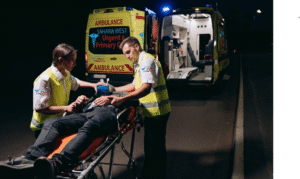

Car accidents can leave you with unexpected physical discomfort. In the hours or days afterward, you may notice pain, stiffness, or soreness in different parts of your body. Although the symptoms may not seem severe, they could indicate serious soft-tissue injuries. These can affect movement, comfort, sleep, and everyday activities.
A review of 53 studies in the Journal of Bodywork & Movement Therapies found that 89% of people with whiplash reported neck pain. Meanwhile, 75% experienced shoulder pain. This shows how collision-related injuries can affect multiple body areas.
As Jean Todt, former Ferrari team principal and UN Special Envoy for Road Safety, stated in 2025, “These are not just numbers. They are people, with names, families and futures snatched away.” His words remind us that road accidents have consequences beyond vehicle damage.
Unfortunately, these injuries can be difficult to identify. Oftentimes, symptoms develop gradually. That’s why it is important to get medical assistance as soon as possible. Urgent care can help identify possible injuries and determine treatment options.
In this article, we will explore how urgent care helps identify injuries and supports your recovery after a car accident in Las Vegas.
Why Soft-Tissue Injuries After a Collision Can Be Difficult to Recognize
Soft-tissue injuries refer to damage to muscles, tendons, ligaments, and fascia. In a car accident, these soft tissues may be stretched, strained, or torn. Symptoms of soft-tissue injuries may take a few hours to develop.
Common Soft-Tissue Injuries After Car Accidents
A collision can affect different parts of your body, including your neck, shoulders, back, and knees. Some common examples include:
- Whiplash: A sudden jolt to the head can cause strain to muscles and ligaments in the neck.
- Muscle strains: Muscles can overstretch or tear slightly from sudden movements.
- Ligament sprains: Ligaments that connect bones may stretch or tear from too much force.
How Urgent Care Helps Identify Soft-Tissue Injuries After Car Accidents
Here’s how urgent care helps medical professionals identify soft-tissue injuries after car accidents:
Targeted Physical and Neurological Exams
A physical examination helps providers identify possible injuries to muscles, ligaments, and surrounding structures. It also helps them check for signs of more serious trauma.
Checking Painful Areas and Movement
Your provider may gently examine the affected areas to check for signs of injury. These can include:
- Palpation: Applying gentle pressure to find tenderness, swelling, or painful spots.
- Range-of-motion testing: Checking how easily you can move your neck, shoulders, arms, and back.
- Posture assessment: Observing how you sit, stand, and hold your body.
- Strength testing: Checking for weakness or difficulty moving certain body parts.
Checking Your Neurological Function
Car accidents can sometimes affect the nerves near the spine. Your provider may check:
- Muscle strength: Whether both sides of your body have similar strength.
- Reflexes: Whether your reflexes are normal.
- Coordination: Whether you can move smoothly and control your movements.
- Balance: Whether you feel steady while standing or walking.
These checks help detect possible nerve problems and identify signs that need further evaluation.
A study indexed in PubMed that examined collision-related brain injuries found that accompanying whiplash increased the odds of hospitalization by 67%. This reinforces the importance of thorough evaluation of symptoms after accidents.
Diagnostic Imaging
Physical examinations provide valuable information, but some injuries may require further investigation. Diagnostic imaging can help identify fractures and other structural problems.
X-rays for Suspected Fractures
X-rays help providers examine bones and identify certain structural injuries. After a collision, imaging may be recommended if you experience:
- Significant tenderness around bones or joints.
- Restricted movement following a traumatic impact.
CT Scans for More Serious Injuries
CT (computed tomography) scans produce detailed images of internal structures to allow medical professionals to identify certain fractures. If significant trauma to the spine is suspected in your examination, a CT scan may be recommended.
MRI for Suspected Soft-Tissue Damage
MRI (magnetic resonance imaging) scans provide detailed images of soft tissues. This allows medical professionals to identify injuries involving ligaments, muscles, discs, and the spinal cord.
If symptoms suggest significant ligament injury, potential spinal cord injury, or injury to nerve roots, an MRI may be considered.
How Early Medical Documentation Protects Your Recovery
Medical documentation creates an important record of your injuries and treatment. It helps healthcare providers understand your condition and monitor changes during recovery.
The initial medical records may contain:
- Date of accident and details of the collision.
- Symptoms, level of pain, and areas of pain.
- Results from physical and neurological assessments.
- Results from imaging, diagnosis, and treatments.
If symptoms worsen or new ones develop, these medical records can be helpful. As medical records show a timeline of care, they can be used to support claims for compensation.
For better understanding, let’s consider the four-car collision reported in Toledo, Ohio, in 2025. The accident occurred near Douglas Street and Central Avenue and injured seven people. Two critically injured people were taken to the hospital but were later reported to be in stable condition.
If another driver’s negligence caused the collision, those injured may be eligible to pursue compensation. A Toledo personal injury lawyer can help them understand their legal options and document accident-related losses.
Ohio follows an at-fault insurance system. This means the driver responsible for causing the accident may be liable for resulting damages. Accurate medical records can help connect documented injuries and treatment expenses to the collision.
What to Tell Your Urgent Care Provider During Your Visit
Clear communication helps your provider identify possible injuries and recommend appropriate care. Share every symptom, even if it seems minor to you.
During your visit, remember to mention:
- Accident details: Explain the collision’s direction, impact, and your seating position.
- Pain and discomfort: Describe affected areas, pain levels, and stiffness.
- Delayed symptoms: Mention any discomfort that appeared hours after the accident.
- Medical history: Share previous injuries, existing conditions, and current medications.
- Daily difficulties: Explain problems with walking, sleeping, bending, or lifting.
Be honest and specific about your symptoms. This helps your provider make a more informed assessment and plan your next steps.
FAQs
Can soft-tissue injuries worsen without treatment after a car accident?
Yes. Untreated soft-tissue injuries may worsen with continued strain or inadequate rest. Persistent inflammation, restricted movement, and prolonged discomfort may complicate recovery. Early evaluation helps determine appropriate treatment and activity modifications.
How long does it take to recover from soft-tissue injuries after a car accident?
Recovery depends on injury severity, affected tissues, and overall health. Minor strains may heal within days or weeks. More serious injuries can take several months, requiring ongoing medical care, rehabilitation, and gradual physical activity.
Can soft-tissue injuries cause chronic pain after a car accident?
Yes. Some soft-tissue injuries can cause persistent pain, stiffness, and restricted movement after car accidents. Severe tissue damage or incomplete rehabilitation may contribute to lasting discomfort. Appropriate treatment, rehabilitation, and follow-up appointments can help manage symptoms and support recovery.
Key Statistics
| Research finding | Key statistic | What it tells us |
|---|---|---|
| Whiplash-related neck pain | 89% | Most people with whiplash reported neck pain. |
| Whiplash-related shoulder pain | 75% | Whiplash can affect areas beyond the neck. |
| Collision-related mild brain injuries with accompanying whiplash | 67% higher hospitalization odds | Whiplash may indicate a need for more thorough medical evaluation. |
Soft-tissue injuries after a car accident can be hard to spot. Symptoms may appear slowly. Urgent care is a good first step for many non-emergency injuries. Providers can check the injured areas, test nerve function, and decide if imaging or a specialist referral is needed.
However, urgent care does not replace the emergency room (ER). Go to the ER right away for severe pain, numbness, weakness, or any signs of a serious injury. Your body will thank you for the quick attention.

Rodney Paul is a healthcare content writer and contributor at Sahara West Urgent Care & Wellness in Las Vegas, NV. He focuses on translating clinical guidelines and urgent care topics into clear, accessible information to help patients make informed decisions about same-day medical care, preventive screenings, and wellness services.