Incidents occur within a wink of an eye. No matter how often you have burned your hand by touching a hot stove, spilled boiling water, or even a small sunburn that has left you feeling worse than you thought, it is important to know where to go to get some sort of treatment. The question many people ask themselves is whether minor burns can be treated by the urgent care facilities or patients must hurry to the emergency room. The positive part is that most minor burn cases can be treated in urgent care facilities which are perfectly equipped to deal with such cases, offer urgent care as required without the lengthy waiting period and high cost of visiting an emergency room.
This detailed guide will take you through all you should know about receiving burn treatment in emergency care centers so that when you are in a stressful situation, you will make knowledgeable choices.
Understanding Minor Burns and Their Severity
Before determining whether urgent care can treat minor burns effectively, it’s essential to understand the different classifications of burn injuries.
First-Degree Burns
These are the mildest form of burns, affecting only the outer layer of skin (epidermis). They typically cause redness, minor swelling, and pain but heal without scarring. Common examples include mild sunburns and brief contact with hot surfaces.
Second-Degree Burns
These burns penetrate deeper, affecting both the epidermis and the second layer of skin (dermis). They cause blisters, severe pain, redness, and swelling. Many second-degree burns can still be classified as minor if they cover a small area.
When a Burn Becomes Serious
Third-degree burns, those covering large body areas, burns on the face, hands, feet, or genitals, and those caused by chemicals or electricity typically require emergency room care.
Can Urgent Care Treat Minor Burns?
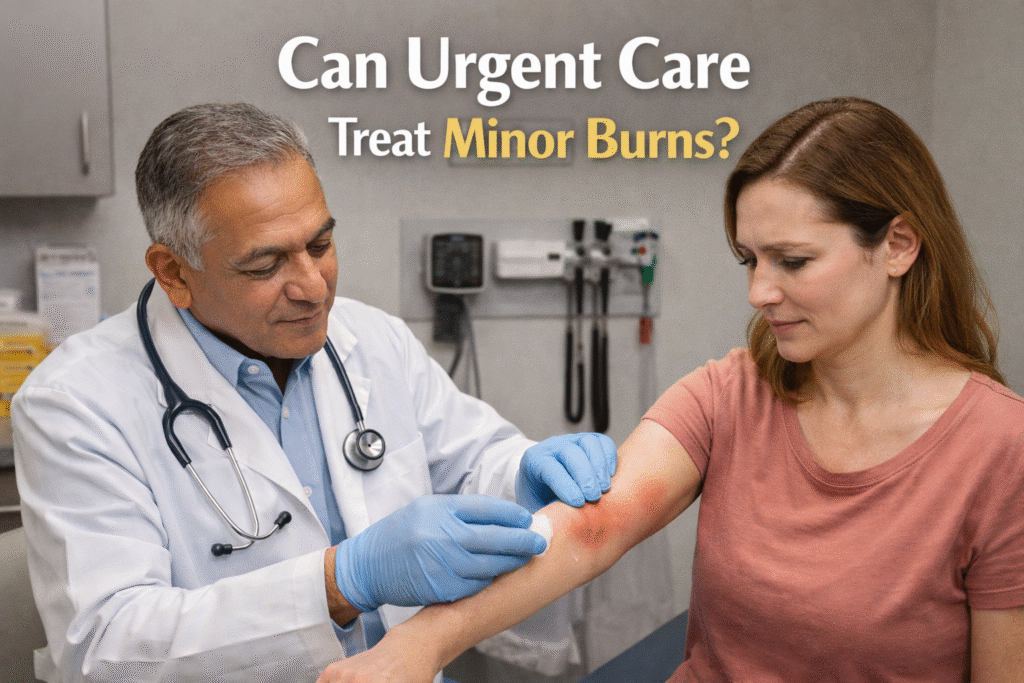
Absolutely. The urgent care facilities are in good standing to deal with minor burn injuries. These facilities take the help of trained medical staff that are able to diagnose, clean, dress and manage pain of burns that do not need special emergency care. First-degree burns and the small second-degree burns are the typical cases most urgent care centers handle and as such, it is a very good option when burn-related injuries take place when the doctor was not around.
Medical personnel in the urgent care facility can assess your burn, identify its level of severity, give the necessary treatment, and advise on how to attend to it at home. They are also able to make antibiotic prescriptions, in case of infection risk, and pain medications to minimise the pain in the course of recovery.
Types of Burn Injuries Treated at Urgent Care
Urgent care centers commonly treat various types of minor burns:
Among the most common cases are the thermal burns caused by hot liquids, steam or being in touch with hot objects. These domestic accidents and kitchen disasters are perfect cases of emergency care. Even simple cases of sunburns that bring a lot of discomfort but do not affect large parts of the body can be tested and remedied with the best topical drugs and pain relief prescriptions.
Rope, carpet, or road rash friction burns are usually within the scope of urgent care. Household chemical burns, so long as they are timely rinsed, could be evaluated and managed. Low-voltage minor electrical burns can also be treated in the urgent care, but serious electrical injuries need emergency care.
What to Expect During Your Urgent Care Visit
Initial Assessment
When you arrive at urgent care for burn treatment, a medical professional will first assess the burn’s severity, size, and location. They’ll ask questions about how the injury occurred, what first aid measures you’ve already taken, and whether you’re experiencing any complications like difficulty breathing or signs of shock.
Treatment Procedures
After assessment, the treatment process typically involves cleaning the burn area with sterile solution to prevent infection. The medical staff will carefully remove any debris and, if necessary, drain blisters using sterile technique. They’ll apply specialized burn ointments or creams and cover the area with appropriate sterile dressings.
Pain management is a priority, and you may receive over-the-counter or prescription pain relievers depending on your burn’s severity. The provider will also ensure your tetanus vaccination is current, administering a booster if needed.
Advantages of Choosing Urgent Care for Minor Burns
The advantages of visiting urgent care to treat burns are quite appealing. Waiting times in emergency rooms are much longer than in the waiting room, which is between 15 to 45 minutes long compared to the several hours in the emergency room. This implies that pain consolation and treatment can be done in a short duration of time and this can enhance the healing process.
Another significant benefit is cost effectiveness. The cost of an urgent care visit is usually much less than that of an emergency room visit with most insurance plans providing low copayment of the services provided in the urgent care unit. To the uninsured, the out of pocket costs are also significantly manageable.
Convenience and long hours will ensure an easy access to urgent care because the offices of your local doctor are not open. The majority of centers are open during the evenings, weekends and holidays so that you can get timely treatment irrespective of the time of the year the accident happens.
When to Go to the Emergency Room Instead
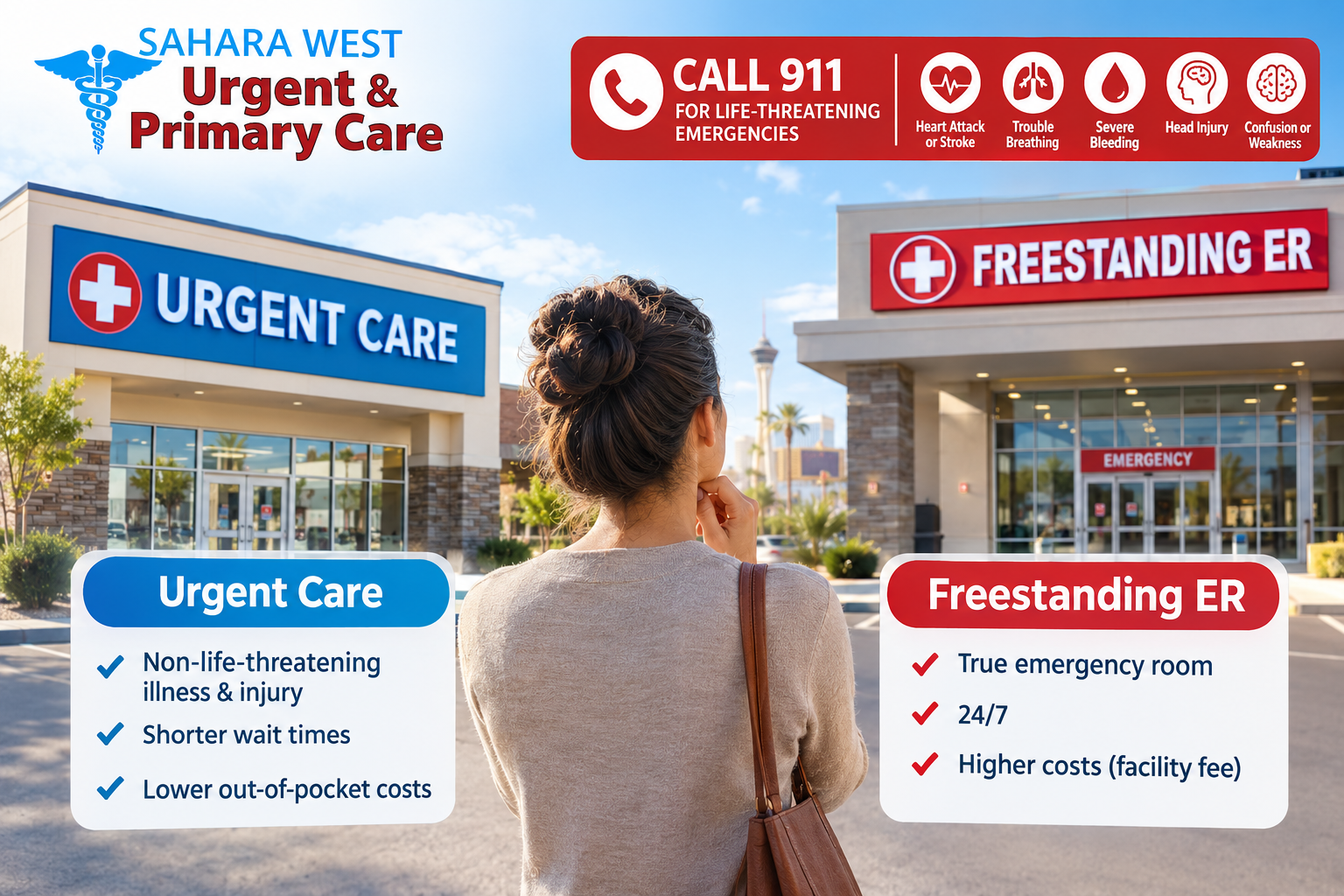
Whereas minor cases of burns can be effectively treated in an urgent care, some cases can only be treated in the emergency room. Large body area burns (greater than three inches in diameter), third-degree burns, which are white, charred or leathery, and burns to sensitive areas, such as the face, hands, feet, genitals, or major joints require special emergency treatment.
Burns that are not immediately and exhaustively rinsed, electrical burns in high-voltage, and burns at which the sufferer has difficulties breathing, confusion or evidence of shock demand immediate emergency department care. Emergency care may also be needed even in case of minor burns in vulnerable populations such as infants, old age, or those with compromised immunity.
In the event that you are unsure whether the urgent care facility can provide any treatment on your burn, you may call in advance to explain the injury and have the staff determine the level of care they need to provide.
Immediate First Aid Steps Before Visiting Urgent Care
Taking proper first aid measures before arriving at urgent care can minimize damage and reduce pain. Immediately cool the burn under cool (not cold) running water for at least 10 to 20 minutes. This step is crucial for stopping the burning process and reducing tissue damage.
Remove any jewelry, clothing, or tight items near the burned area before swelling begins. However, don’t attempt to remove anything stuck to the burn. Cover the burn loosely with a clean, dry cloth or sterile gauze to protect it from contamination during transport.
Avoid applying ice directly to burns, as this can cause further tissue damage. Similarly, don’t use butter, oils, or home remedies, which can trap heat and increase infection risk. Resist the urge to break blisters, as they provide natural protection against infection.
Cost Comparison: Urgent Care vs Emergency Room
Financial considerations often factor into healthcare decisions. Urgent care visits for burn treatment typically range from $100 to $300 without insurance, while emergency room visits for similar injuries can cost $500 to $3,000 or more.
With insurance, urgent care copays usually range from $20 to $75, whereas emergency room copays often start at $100 and can exceed $500. For minor burns that don’t require specialized emergency services, choosing urgent care can result in significant savings without compromising care quality.
Many urgent care centers also offer transparent pricing and accept various payment options, making the financial aspect of treatment more manageable during an already stressful situation.
How Long Does Burn Treatment Take at Urgent Care?
The entire urgent care visit for minor burn treatment typically takes 30 minutes to one hour, including registration, assessment, treatment, and discharge instructions. This timeframe varies based on center volume and burn complexity, but it’s substantially shorter than emergency room visits, which can take several hours.
The actual treatment procedure usually takes 15 to 30 minutes once you’re in the examination room. The medical team works efficiently while ensuring thorough care, providing you with everything needed for proper healing.
Follow-Up Care and Recovery After Burn Treatment
After receiving treatment at urgent care for burns, proper follow-up care is essential for optimal healing. The medical provider will give detailed instructions on wound care, including how often to change dressings and when to apply prescribed ointments.
Most minor burns heal within one to three weeks with proper care. The urgent care center will typically recommend a follow-up visit or advise you to see your primary care physician if the burn isn’t healing as expected, shows signs of infection like increased redness, swelling, warmth, or pus, or causes increasing pain rather than gradual improvement.
Keep the burn clean and dry between dressing changes, and watch for warning signs that require additional medical attention. The urgent care staff will provide written instructions and emergency contact information before you leave.
Preventing Infection in Minor Burns
Infection prevention is a critical aspect of burn care. Urgent care providers emphasize keeping the burn clean and covered as directed. Wash your hands thoroughly before touching the burn or changing dressings, and use only prescribed or recommended topical treatments.
Signs of infection include increased pain after the first few days, foul-smelling discharge, red streaks extending from the burn, fever over 100.4°F, or swelling that worsens rather than improves. If you notice any of these symptoms, contact the urgent care center or your healthcare provider immediately.
Proper nutrition and hydration also support healing, as your body needs adequate resources to repair damaged tissue.
Common Mistakes to Avoid When Treating Burns
Many well-intentioned home remedies can actually worsen burn injuries. Never apply ice directly to burns, as extreme cold can cause additional tissue damage. Butter, oils, egg whites, and other kitchen ingredients should never be used, despite old wives’ tales, because they trap heat and increase infection risk.
Avoid popping blisters, which serve as natural bandages protecting underlying tissue. Using fluffy cotton materials directly on burns can leave fibers in the wound, so stick with sterile gauze or non-stick dressings.
Don’t underestimate seemingly minor burns. Even small injuries can become serious if not properly treated, so seeking professional evaluation at urgent care is always the safest choice when in doubt.
What Supplies Does Urgent Care Use for Burn Treatment?
Urgent care facilities maintain comprehensive supplies specifically for burn treatment. These include sterile saline solutions for cleaning, specialized burn gels and ointments containing silver sulfadiazine or similar antibacterial agents, and various sizes of non-stick dressings designed for burn wounds.
Medical-grade pain relief options, both topical and oral, help manage discomfort. Tetanus immunization supplies ensure wound infection prevention, and debridement tools allow for safe removal of damaged tissue when necessary.
This professional equipment and medication availability represents a significant advantage over home treatment, ensuring your burn receives optimal care from the moment you arrive.
Conclusion
In case of accidents that are experienced and you are wondering whether minor burns can be treated in urgent care, the answer is resounding yes. The services of the urgent care centers In Las vegas are an ideal combination of availability, cost-effectiveness, and quality in the treatment of most first and second-degree burns. Urgent care is a perfect fit with the burn injuries that require urgent care and are not emergency-based, having shorter wait times and lower costs.
Do not forget to respond promptly to a burn injury, cool the area, and cover it and present to the professional. Indecisiveness should not make you avoid seeking decent care. See your closest urgent care center in order to have effective burn treatment, and you will be on your way to full healing.
Take Action Now: In case you have suffered a burn, seek immediate medical care with your closest emergency room center and obtain the professional care that you deserve. You are worth the visit in terms of your health and comfort. To schedule your appointment with the highest standard of care and visit Sahara West Urgent Care, visit our website.
FAQs
Q: How quickly should I visit urgent care after getting burned? A: Visit urgent care as soon as possible after administering first aid. Ideally, seek treatment within a few hours of the injury, especially if the burn is larger than a quarter, forms blisters, or causes severe pain. Early professional treatment can prevent complications and improve healing outcomes.
Q: Will urgent care prescribe pain medication for my burn? A: Yes, urgent care providers can prescribe appropriate pain medication based on your burn’s severity. This may include prescription-strength ibuprofen, acetaminophen with codeine, or topical anesthetics to manage discomfort during the healing process.
Q: Can I go to urgent care for an old burn that isn’t healing properly? A: Absolutely. Urgent care can evaluate burns that aren’t healing as expected, check for signs of infection, and adjust your treatment plan. If you notice delayed healing, increased pain, or infection symptoms, visiting urgent care is recommended.
Q: Do I need an appointment to visit urgent care for a burn? A: No appointment is necessary. Urgent care centers operate on a walk-in basis, though some facilities offer online check-in to reduce wait times. You can simply arrive during operating hours for immediate evaluation and treatment.
Q: Will urgent care provide a work or school excuse for my burn injury? A: Yes, urgent care providers can provide documentation for work or school if your burn requires time off for healing. They’ll assess your condition and provide appropriate documentation based on medical necessity.