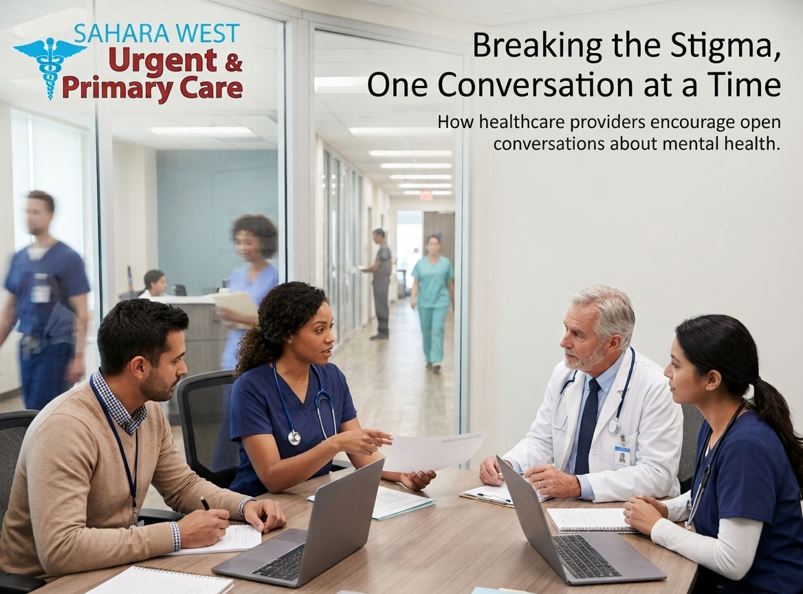
Mental health affects how people think, feel, communicate, and manage everyday challenges. Despite growing awareness of mental health conditions, stigma continues to prevent many individuals from seeking professional support.
According to a report from the World Health Organization (WHO), more than one billion people worldwide live with a mental health condition. However, most lack access to adequate care, or they don’t seek it. The same report highlighted that mental health accounts for only around 2% of total health spending, a proportion that has remained nearly unchanged since 2017.
“Transforming mental health services is one of the most pressing public health challenges,” said Dr Tedros Adhanom Ghebreyesus. “Investing in mental health means investing in people, communities, and economies – an investment no country can afford to neglect.”
Healthcare professionals are well positioned to change these perceptions.
Understanding the Different Forms of Mental Health Stigma
Public stigma involves negative attitudes and stereotypes held by society, such as the belief that people with depression lack motivation. Some also assume that individuals with anxiety are unable to manage everyday responsibilities. These assumptions can affect relationships, employment opportunities, and access to appropriate healthcare.
Self-stigma develops when individuals internalize these negative beliefs. Someone experiencing depression, for example, may feel ashamed of needing treatment or believe that asking for help demonstrates personal weakness. This can delay care, reduce confidence, and make it harder to discuss symptoms with others.
Changing stigmatizing attitudes can be more challenging than many mental health awareness campaigns suggest.
A 2024 study published in BMC Psychology examined media coverage, focus group discussions, and interviews concerning people who live with someone who has experienced mental illness. The findings indicate that increasing public knowledge alone may not be enough to reduce discomfort with regular, close interactions with people affected by mental health conditions.
Why might mental health stigma differ across generations?
Attitudes toward mental illness often reflect the social expectations, cultural beliefs, and healthcare experiences people encounter throughout their lives. Older generations may have grown up when mental health discussions were less common, while younger individuals may have greater exposure to online discussions. Healthcare professionals can tailor educational approaches to different age groups without assuming individual beliefs.
Using Respectful and Person-Centered Communication
The language healthcare professionals use can influence how patients perceive themselves and their conditions. Judgmental comments, dismissive responses, and labels that reduce a person to a diagnosis can reinforce feelings of shame. In contrast, respectful communication helps patients feel heard and encourages them to discuss their concerns openly.
Some healthcare organizations increasingly recognize that language plays an important role in delivering high-quality care. They are promoting People Matter, Words Matter campaigns. These campaigns feature posters that promote person-centered language when discussing issues such as suicide, eating disorders, and maternal mental health in las vegas.
Campaign leaders highlight evidence that stigma in healthcare settings can contribute to worse patient outcomes. They also emphasize that many healthcare workers have not been trained to use language that avoids stigma.
Active listening is equally important. Healthcare professionals can give patients time to explain their experiences, ask open-ended questions, and acknowledge their feelings without minimizing their concerns. These interactions demonstrate that mental health concerns deserve compassion, careful assessment, and appropriate treatment.
What role does nonverbal communication play in reducing mental health stigma?
Facial expressions, posture, eye contact, and tone of voice can influence whether patients feel comfortable discussing sensitive concerns. A distracted or impatient manner may discourage further conversation, even when a provider’s words sound supportive. Healthcare professionals should remain attentive, respect cultural differences in communication, and adjust their approach to help patients feel comfortable during consultations.
Educating Patients and Families About Mental Illness
Accurate information can help replace stereotypes with a clearer understanding of mental health conditions. Healthcare professionals can explain that disorders such as depression, bipolar disorder, post-traumatic stress disorder, and anxiety involve complex interactions.
They can also normalize mental health treatment by sharing some numbers. For instance, the Centers for Disease Control and Prevention (CDC) notes that 19.3% of U.S. adults took medication for their mental health in 2024. Another 14.0% received counseling or therapy from a mental health professional. Sharing figures like these can help patients see treatment as a routine part of healthcare.
But mental health care professionals need to understand these concepts thoroughly before they can educate others. Psychiatric Mental Health Nurse Practitioner (PMHNP) programs can train students on various key concepts, such as:
- Psychiatric mental health assessment
- Neuropsychopharmacology
- Care of adult individuals
- Care of families
Professionals can even learn about these concepts remotely through an online psych NP program. Once they understand these concepts thoroughly, it becomes easier to share that knowledge with patients and their families. Providers can explain treatment options, discuss potential benefits and risks, and encourage patients to ask questions before deciding.
Making Mental Healthcare More Accessible
Stigma can discourage people from seeking care, but practical barriers can add to the problem. High treatment costs, long waiting periods, transportation difficulties, and shortages of mental health professionals may prevent individuals from receiving timely support.
Healthcare organizations can address these challenges by offering more flexible services and clearer referral pathways. Telehealth appointments can offer an additional option for people with transportation challenges or who prefer to discuss sensitive concerns in a private setting.
Healthcare professionals should explain available services without pressuring or embarrassing patients. They can provide information about community clinics, crisis resources, support groups, and affordable treatment options. Clear explanations of confidentiality, appointment procedures, and what to expect during an initial consultation may also reduce uncertainty for people considering mental health care.
Global initiatives are underway to address inaccessibility. In December 2025, world leaders adopted a historic United Nations political declaration.
It establishes global targets for 2030, including providing 150 million more people with access to mental health care. It also calls for stronger national policies, improved access to essential medicines and services, financial protection for patients, and sustained healthcare funding.
Advocating for Inclusive Healthcare Policies
Policy can shape access as much as individual care does. In September 2026, the U.S. Department of Labor said its parity enforcement would focus on blanket exclusions of mental health treatment.
Other important exclusions include medical necessity, prior authorization processes, and network adequacy, according to Insurance Business. The report also notes that the pause on the 2024 parity rule does not mean enforcement has stopped.
Healthcare professionals can advocate for policies that protect patients from discrimination and support equal access to mental health services. This may involve reviewing intake procedures, improving privacy protections, and ensuring that mental health concerns receive appropriate attention alongside physical symptoms.
Healthcare organizations can establish guidelines for respectful communication and provide staff with clear procedures for addressing discriminatory behavior. They can also review patient feedback, treatment access, and referral outcomes to identify areas for improvement.
Encouraging Open Conversations in Communities
Healthcare professionals can influence public attitudes through community outreach and professional engagement. Participating in mental health awareness events, speaking at schools, and sharing reliable educational resources can help people recognize symptoms and understand when professional assistance may be useful.
Healthcare providers can promote open conversations in their communities through several approaches:
- Organizing awareness events: Participate in community workshops, school programs, and public health campaigns to explain mental health conditions and available treatment options.
- Sharing personal experiences: Invite people with lived experience to share their stories voluntarily, helping others understand the realities of mental illness and challenge harmful stereotypes. Always respect their privacy and personal boundaries.
- Using online platforms: Share educational content through websites, social media, and virtual seminars to correct misinformation and explain evidence-based treatment approaches.
- Promoting reliable information: Present mental health topics in accessible language, distinguish established evidence from speculation, and direct audiences toward trustworthy healthcare resources.
Consistent community engagement can help replace misconceptions with accurate information and encourage more supportive attitudes toward mental health.
How can healthcare professionals address mental health misinformation spread through social media?
Healthcare professionals can respond to misleading claims with clear explanations supported by reliable medical information. They can explain why a claim may be misleading and direct audiences to credible resources. Providers should also avoid making unsupported claims themselves and acknowledge uncertainty when scientific evidence is limited or still developing.
Key Statistics and Facts About Mental Health Stigma and Care
| More than 1 billion people | Worldwide, live with a mental health condition, according to the WHO. |
| Around 2% of health spending | Global health spending allocated to mental health, with little change since 2017. |
| 19.3% of U.S. adults | Took medication for their mental health in 2024, according to the CDC. |
| 14.0% of U.S. adults | Received counseling or therapy from a mental health professional in 2024. |
| 150 million more people | Targeted for access to mental health care by 2030 under a UN political declaration adopted in December 2025. |
| September 2026 | The U.S. Department of Labor reiterated its focus on mental health parity enforcement, according to the article. |
Healthcare professionals can help reduce the stigma around mental illness through respectful communication, patient education, professional training, and advocacy for accessible services. Their daily interactions can challenge harmful assumptions and reassure patients that mental health concerns deserve the same consideration as other health conditions.
Progress also depends on healthcare organizations and communities working together to address discrimination, improve access to treatment, and encourage open discussions. When providers listen without judgment and offer accurate information, they help create an environment where people feel more comfortable seeking support.

Rodney Paul is a healthcare content writer and contributor at Sahara West Urgent Care & Wellness in Las Vegas, NV. He focuses on translating clinical guidelines and urgent care topics into clear, accessible information to help patients make informed decisions about same-day medical care, preventive screenings, and wellness services.