For non-emergency situations that do not pose an immediate threat to life or property, you should avoid calling 9-1-1 to keep lines open for critical crises. Instead, use specific hotlines or contact local service providers directly depending on the nature of your concern.
If you are experiencing a medical issue that is urgent but not life-threatening, an urgent care center like Sahara West Urgent Care is the appropriate choice for immediate professional medical attention.
Common Non-Emergency Contact Numbers
- 3-1-1 (City Services): Use this for municipal issues such as noise complaints, pothole reports, fallen trees (not on power lines), or reporting a crime that is not currently in progress (e.g., a stolen bicycle).
- 9-8-8 (Suicide & Crisis Lifeline): A specialized line for those experiencing mental health-related distress or a suicidal crisis.
- 2-1-1 (Community Resources): Use this to find local social services, such as food banks, housing assistance, or disaster relief information.
- Local Police/Fire Non-Emergency Lines: Every precinct has a 10-digit administrative number for filing reports or asking questions that don’t require sirens.
When to Choose Urgent Care Over the Emergency Room
Many people call 9-1-1 for medical issues because they aren’t sure where else to go. For non-life-threatening conditions, Sahara West Urgent Care provides a faster, more cost-effective alternative to the ER.
Conditions appropriate for Urgent Care:
- Minor Injuries: Sprains, strains, or minor bone fractures.
- Infections: Symptoms of a UTI, strep throat, or ear infections.
- Minor Trauma: Cuts requiring stitches or minor burns.
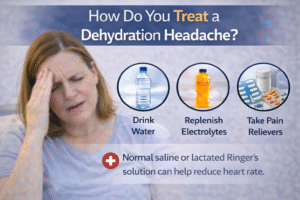
- Illness: Persistent coughs, fever, or dehydration.
The Triage Process: Knowing When to Call 9-1-1
While we handle many medical concerns, some situations always require a 9-1-1 call or an immediate trip to the ER. You should call 9-1-1 if you experience:
- Chest Pain or Difficulty Breathing: These can be signs of a heart attack or pulmonary embolism.
- Signs of Stroke: Sudden numbness, facial drooping, or slurred speech.
- Severe Trauma: Heavy, uncontrolled bleeding or deep puncture wounds.
- Loss of Consciousness: Any instance where someone becomes unresponsive.
Why Choose Sahara West Urgent Care for Non-Emergency Medical Needs?
At Sahara West Urgent Care, we bridge the gap between your primary care doctor and the emergency room. We offer walk-in convenience and on-site diagnostics, including X-rays and lab testing, to ensure you receive a precise diagnosis without the hours-long wait typical of an ER. Our medical team is dedicated to providing high-quality care for non-emergent injuries and illnesses in a comfortable environment.
Not sure if your condition requires an ER or Urgent Care? Visit Sahara West Urgent Care today for a professional evaluation. We provide expert medical care to help you recover quickly and safely.