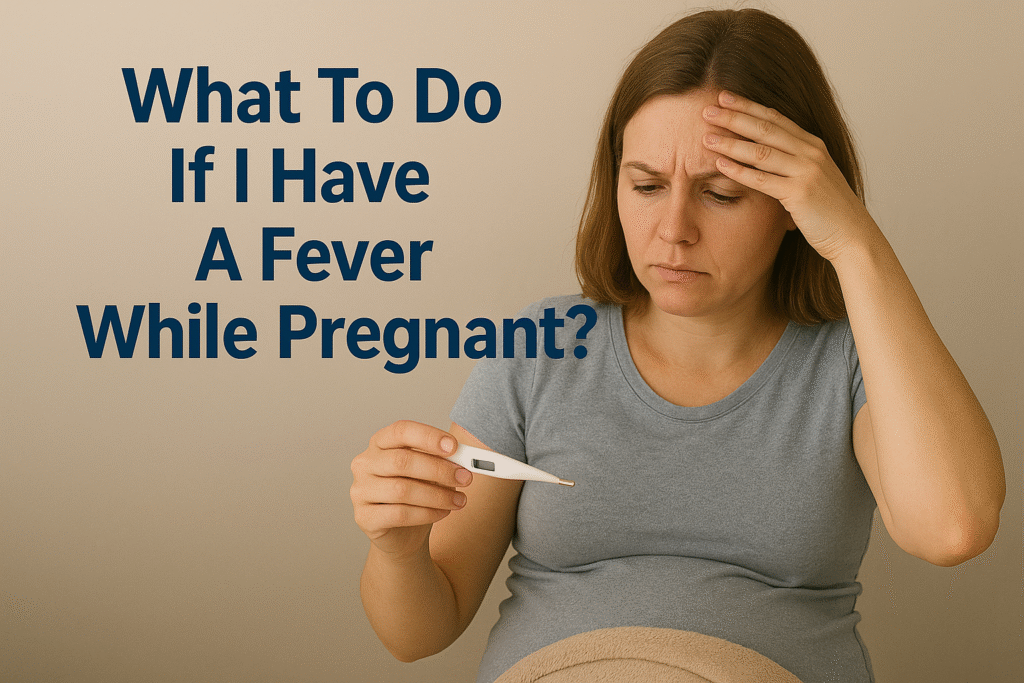
Waking up with a fever during pregnancy can be frightening. Your mind races with questions about your baby’s safety, which medications you can take, and whether you should call your doctor immediately. A fever while pregnant requires careful attention because your body is working overtime to support your growing baby, and elevated temperatures can sometimes signal underlying issues that need medical evaluation.
Understanding how to respond to a fever during pregnancy empowers you to make informed decisions about your health and your baby’s wellbeing. This comprehensive guide walks you through safe home remedies, warning signs that require immediate medical attention, and practical steps to manage your symptoms while protecting your developing child.
Understanding Fever During Pregnancy
What Constitutes a Fever
A fever is generally defined as a body temperature of 100.4°F (38°C) or higher. During pregnancy, your baseline body temperature naturally rises slightly due to hormonal changes, but a true fever while pregnant exceeds this normal elevation and indicates your immune system is fighting an infection or illness.
Common Causes of Fever in Expectant Mothers
Pregnant women experience fevers for many of the same reasons as non-pregnant individuals. Common cold viruses, influenza, urinary tract infections, and gastroenteritis frequently cause elevated temperatures. However, pregnancy-specific conditions like chorioamnionitis or listeriosis can also trigger fevers and require prompt medical intervention.
Immediate Steps When You Have a Fever While Pregnant
Check Your Temperature Accurately
Use a reliable digital thermometer to confirm your fever. Take your temperature orally, waiting at least 15 minutes after eating or drinking hot or cold beverages. Record the reading along with the time, as your healthcare provider will want this information.
Contact Your Healthcare Provider
When you have a fever while pregnant, calling your doctor or midwife should be among your first actions. They can assess whether your symptoms warrant an office visit, prescribe safe medications, or recommend home care strategies. Don’t hesitate to reach out, especially if your temperature exceeds 101°F (38.3°C) or you’re in your first trimester.
Stay Hydrated
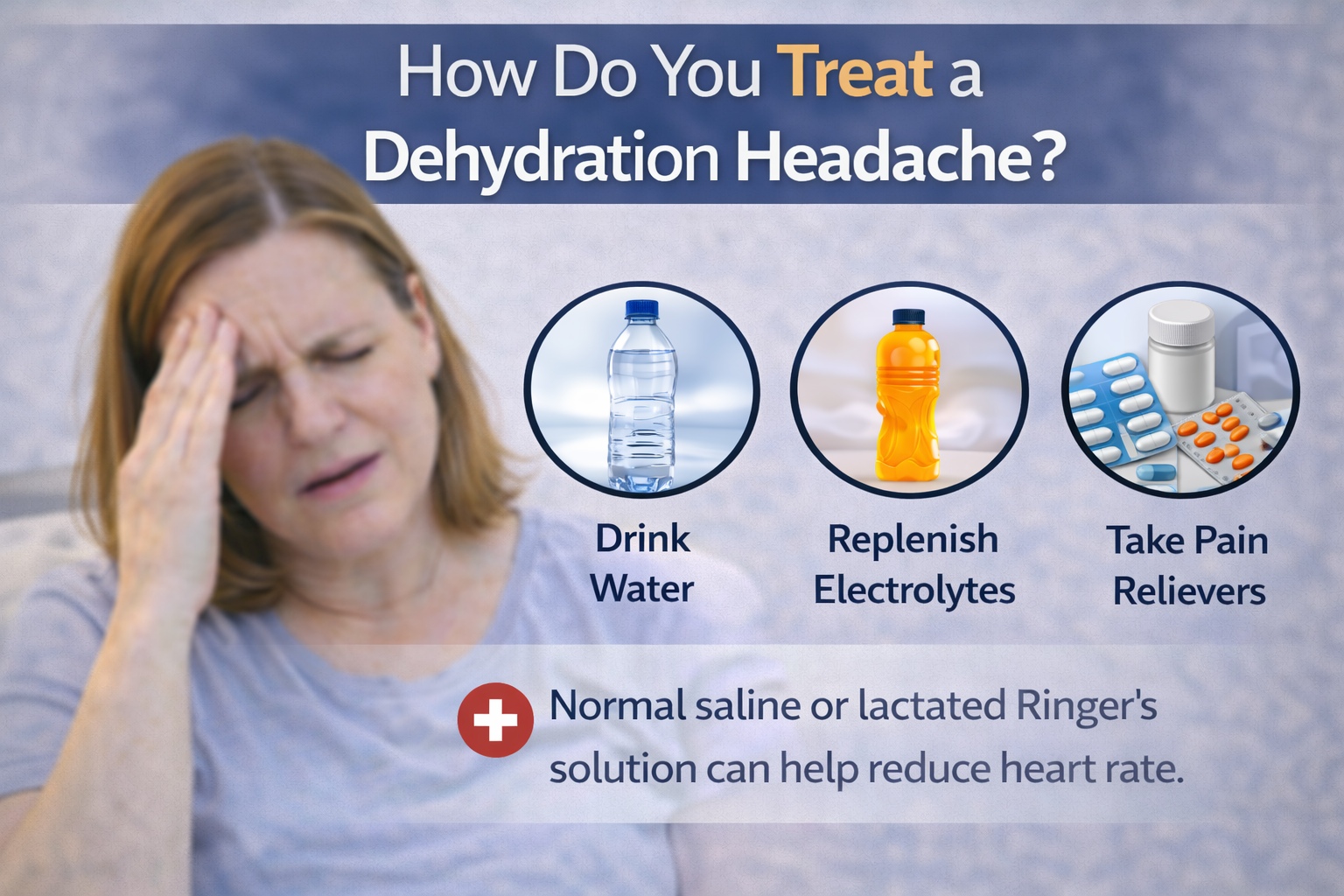
Fever increases your body’s fluid requirements significantly. Drink water, clear broths, or electrolyte solutions throughout the day. Dehydration during pregnancy can lead to complications like preterm contractions, so maintaining proper hydration is essential when managing a fever while pregnant.
Safe Home Remedies for Fever Management
Acetaminophen: Your First-Line Defense
Acetaminophen (Tylenol) is considered safe during all trimesters of pregnancy when taken at recommended doses. Follow the dosing instructions on the package or your doctor’s guidance. This medication effectively reduces fever and provides relief from body aches without the risks associated with other pain relievers.
Cooling Techniques That Work
Take a lukewarm bath or shower to help lower your body temperature gradually. Avoid cold water, which can cause shivering and actually raise your core temperature. Place a cool, damp washcloth on your forehead, neck, and wrists for additional comfort.
Rest and Recovery
Your body needs extra energy to fight infection and support your pregnancy. Rest as much as possible, allowing your immune system to work efficiently. Elevate your head slightly with pillows to ease breathing if you have congestion alongside your fever.
Medications to Avoid When You Have a Fever While Pregnant
NSAIDs and Their Risks
Avoid ibuprofen (Advil, Motrin) and aspirin during pregnancy, especially in the third trimester. These nonsteroidal anti-inflammatory drugs can affect fetal development, potentially causing complications with the baby’s heart and kidneys. Even though they’re effective fever reducers outside of pregnancy, they’re not worth the risk.
Herbal Remedies Require Caution
Many herbal supplements and natural remedies haven’t been adequately studied for safety during pregnancy. Don’t assume that “natural” means safe. Always consult your healthcare provider before taking any herbal product to treat a fever while pregnant.
Warning Signs That Require Immediate Medical Attention
High-Grade Fever
If your temperature reaches 103°F (39.4°C) or higher, seek medical care immediately. Sustained high fevers can potentially affect fetal development, particularly during the first trimester when your baby’s organs are forming.
Accompanying Symptoms
Contact your doctor right away if your fever occurs with severe headache, vision changes, abdominal pain, vaginal bleeding, decreased fetal movement, contractions, or difficulty breathing. These symptoms may indicate serious conditions requiring urgent evaluation.
Fever Duration
A fever lasting more than 24 to 48 hours warrants medical assessment, even if it remains relatively low-grade. Persistent fever while pregnant may signal an infection that requires prescription antibiotics or other medical intervention.
How Fever Affects Your Developing Baby
First Trimester Considerations
During early pregnancy, particularly between weeks 4 and 14, high fevers have been associated with certain birth defects, including neural tube defects. This doesn’t mean every fever causes problems, but it underscores why managing a fever while pregnant promptly is crucial during this sensitive developmental period.
Second and Third Trimester Impacts
Later in pregnancy, moderate fevers typically pose less risk to fetal development, but they can still cause complications like dehydration-induced contractions. Your healthcare provider will monitor both you and your baby’s wellbeing if you experience prolonged or recurrent fevers.
Preventing Fever During Pregnancy
Strengthen Your Immune System
Eat a balanced diet rich in fruits, vegetables, lean proteins, and whole grains. Prenatal vitamins provide additional nutritional support. Adequate sleep, regular gentle exercise, and stress management also bolster your immune defenses.
Practice Good Hygiene
Wash your hands frequently with soap and water, especially before eating and after being in public spaces. Avoid close contact with people who are sick, and stay up to date with pregnancy-safe vaccinations like the flu shot.
Food Safety Matters
Foodborne illnesses can cause fever and pose serious risks during pregnancy. Avoid unpasteurized dairy products, raw or undercooked meats and eggs, and certain fish high in mercury. Follow safe food handling practices to reduce infection risk.
When to Return to Your Doctor
Follow-Up Care
If your fever resolves but you develop new symptoms, or if your fever returns after improving, schedule a follow-up appointment. Your doctor may want to perform tests to ensure the underlying cause has been adequately treated.
Monitoring Fetal Wellbeing
After experiencing a significant fever while pregnant, your healthcare provider might recommend additional monitoring, such as ultrasounds or non-stress tests, to confirm your baby is developing normally and hasn’t been affected by the illness.
Managing Fever While Pregnant: What Healthcare Providers Recommend
Diagnostic Testing
Your doctor may order blood tests, urine cultures, or throat swabs to identify the cause of your fever. Knowing whether you have a bacterial or viral infection guides treatment decisions and helps determine if antibiotics are necessary.
Safe Antibiotic Options
If your fever stems from a bacterial infection, several antibiotics are considered safe during pregnancy. Penicillin, amoxicillin, and certain cephalosporins are commonly prescribed. Always take the full course as directed, even if you feel better before finishing the medication.
Coping with Illness During Pregnancy
Emotional Support
Being sick during pregnancy feels overwhelming. Reach out to your partner, family, or friends for practical help with household tasks and emotional support. Don’t feel guilty about needing extra rest and care.
Maintaining Nutrition
Even if you don’t feel hungry, try to eat small, frequent meals to maintain your energy and provide nutrients for your baby. Bland foods like toast, crackers, rice, and bananas are often easier to tolerate when you have a fever while pregnant.
Long-Term Outlook
Most fevers during pregnancy resolve without complications when managed appropriately. Your body’s ability to fight infection remains strong throughout pregnancy, and with proper care, both you and your baby will likely emerge from the illness without lasting effects.
Conclusion
Experiencing a fever while pregnant understandably causes concern, but knowing how to respond empowers you to protect both your health and your baby’s development. Take your temperature accurately, stay hydrated, use acetaminophen as directed, and contact your healthcare provider for guidance. Watch for warning signs that require immediate medical attention, and don’t hesitate to seek care when something doesn’t feel right.
Your wellbeing directly impacts your baby’s health, so prioritizing rest, proper nutrition, and medical care when you have a fever while pregnant isn’t just important for you, it’s essential for your growing child. Trust your instincts, follow your doctor’s recommendations, and remember that most pregnancy-related fevers resolve completely with appropriate treatment.
If you currently have a fever, contact your healthcare provider today. Save their after-hours number in your phone so you’re prepared for any future health concerns during your pregnancy journey. To schedule your appointment with the highest standard of care, visit Sahara West Urgent Care on our website, where you can also explore more informative blogs .
FAQs
Can a fever during pregnancy harm my baby?
Most low-grade fevers treated promptly don’t cause harm to your baby. However, high fevers (above 103°F) during the first trimester carry potential risks for fetal development. This is why managing fever quickly with acetaminophen and contacting your healthcare provider is important.
How long can I have a fever before it becomes dangerous during pregnancy?
Contact your doctor if your fever lasts more than 24 hours or reaches 101°F or higher. Don’t wait to see if it resolves on its own, early intervention prevents potential complications and gives you peace of mind.
Is it safe to take a cold shower when I have a fever while pregnant?
Avoid cold showers as they can cause shivering, which actually raises your core body temperature. Instead, take lukewarm baths or showers that feel slightly cool but comfortable to gradually reduce your fever.
What temperature is considered a fever during pregnancy?
A temperature of 100.4°F (38°C) or higher indicates a fever during pregnancy. Your baseline temperature may be slightly elevated due to pregnancy hormones, but readings above this threshold require attention.
Can I take ibuprofen for fever during pregnancy?
No, avoid ibuprofen during pregnancy, especially in the third trimester. Acetaminophen (Tylenol) is the recommended fever reducer during all stages of pregnancy when taken at appropriate doses.
Should I go to the emergency room for a fever while pregnant?
Visit the emergency room if your fever exceeds 103°F, doesn’t respond to acetaminophen, or occurs with severe symptoms like abdominal pain, vaginal bleeding, severe headache, vision changes, or difficulty breathing. For lower fevers without alarming symptoms, call your healthcare provider for guidance.