STDs are also known as Sexually transmitted diseases. They are also called STIs. STI means sexually transmitted infection. STDs are extremely common. They can affect anyone. They may have a great impact on pregnant women. Lots of women feel afraid while they catch this. But knowledge helps. Simple facts can bring peace.
The Most Common STD in Pregnancy:
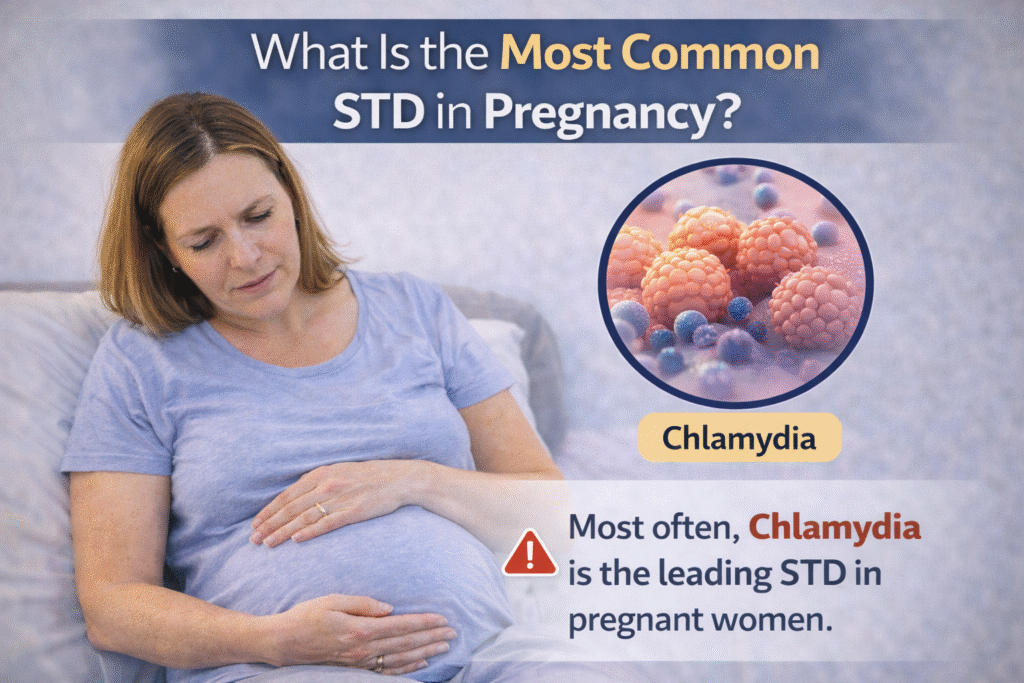
The most common STD in pregnancy is Chlamydia. Chlamydia is a bacterial infection. It transmits via sexual intercrouse. It is very common all over the world. Lots of women who are pregnant obtain it. Various people do not yet understand that they catch it.
Why Is Chlamydia So Common?
There are lots of reasons that women have Chlamydia. Firstly, chlamydia frequently has no indication signs. A woman may feel normal. She may feel healthy. But the infection is still there. Second, many people do not get tested. If there are no signs, they do not see a doctor.Third, it spreads easily. It may transmit through vaginal, oral, or anal sex. Due to this, it is extremely common in young people. It is too common in women under age 25.
What Are the Symptoms?
Many pregnant women have no symptoms. That is why testing is very important.But some women may notice:
- Pain when they pee
- Unusual vaginal discharge
- Lower belly pain
- Bleeding after sex
These signs can be mild. If you are pregnant and observe these warning symptoms, consult the physician.
How Can Chlamydia Affect Pregnancy?
If handled timely, most women have healthy pregnancies. However if it is not managed early, issues may occur. Possible risks include:
- Early birth
- Low birth weight
- Infection in the baby
The baby can get the infection during birth. This can cause eye infection. It can also cause lung infection. This sounds scary. However keep in mind, treatment works extremely good .
Is Chlamydia Safe to Treat During Pregnancy?
Yes. Antibiotics may be utilized to manage chlamydia. Pregnancy-safe antibiotics are selected by physicians. The drug gets rid of the germs.It is necessary to:
- Take all the medicine
- Finish the full course
- Avoid sex until treatment is done
Your partner should also get treated. If not, you can get the infection again. After treatment, your doctor may test again. This makes sure the infection is gone.
Other STDs That Can Affect Pregnancy:
While chlamydia is the most widespread sexually transmitted disease throughout pregnancy, other diseases are possible as well.
| STD | Cause | Possible Risk |
| Gonorrhea | Bacteria | Eye infection in newborn |
| Syphilis | Bacteria | Serious birth complications |
| Human immunodeficiency virus | Virus | Transmission to baby |
| Human papillomavirus | Virus | Rare throat infection in baby |
How Do STDs Spread in Pregnancy?
STDs do not start because of pregnancy. They start from sexual contact. A woman can already have an STD before pregnancy. Or she can get one during pregnancy. The baby can get some STDs during birth. This happens when the baby passes through the birth canal. Some infections can also pass during pregnancy. This happens through the blood.
Who Is at Higher Risk?
Some women have higher risk. Risk is higher if:
- You are under 25
- You have a new partner
- You have more than one partner
- Your partner has other partners
- You do not use condoms
But remember, anyone can get an STD. It does not mean someone is “bad.” It just means they need care.
How Can You Protect Yourself?
Protection is extremely simple. Small steps create a huge difference. Here are ways to protect yourself:
- Get tested before pregnancy if possible.
- Take tests as soon as you become pregnant.
- If you feel unsafe, wear condoms.
- Make sure your partner is tested.
- Go to all prenatal visits.
Honest talks with your partner help. Open communication builds trust.
What If You Feel Ashamed?
Many women feel shame. But there is no need. Doctors do not judge. They want to help. STDs are medical issues. They are not moral issues. Getting tested is smart. Getting treated is strong. What Happens at the Doctor Visit?
The test is simple. It may include:
- A urine sample
- A vaginal swab
It does not take long. Results often come back quickly. If the test is positive, your doctor will:
- Give safe antibiotics
- Talk about partner treatment
- Plan a follow-up test
You will not be alone.
Why you choose Sahara west urgent care for STD Testing in Las Vegas:
For STD Testing in Las Vegas Sahara West Urgent Care clinic is a good choice for people living near Las Vegas. Here are some important causes why you could think about it:
- Comprehensive Care Approach
- Experienced Medical Staff
- Supportive Environment
- Affordable and Transparent Pricing
- Outpatient Services
- Focus on Long-Term Recovery
Final Thoughts:
Pregnancy is an exceptional time period. It is also a time for careful health checks. Don’t miss prenatal appointments. Do not fear testing. Knowledge brings power. Testing brings safety. Talk regarding STD testing. Take small steps to protect your health. Simple care today can lead to a healthy tomorrow. If you are searching for STD testing in Las Vegas Sahara west urgent care center is a good option.
FAQs
1. What organization recommends STD testing in pregnancy?
Health groups like the Centers for Disease Control and Prevention recommend STD screening during pregnancy.
2. Who has the highest risk of STDs in pregnancy?
Women within the age of 25 and those with new or more than one partners might have a great possibility of STDs.
3. Can you breastfeed if you have chlamydia?
Yes. While treated in a proper way, breastfeeding is normally secure.
4. Can STDs cause miscarriage?
A few infections, like Syphilis, may enhance the threat of miscarriage if not handled early.
5. Can early testing protect the baby?
Yes.timely testing and handling may extremely decrease threats for the baby.