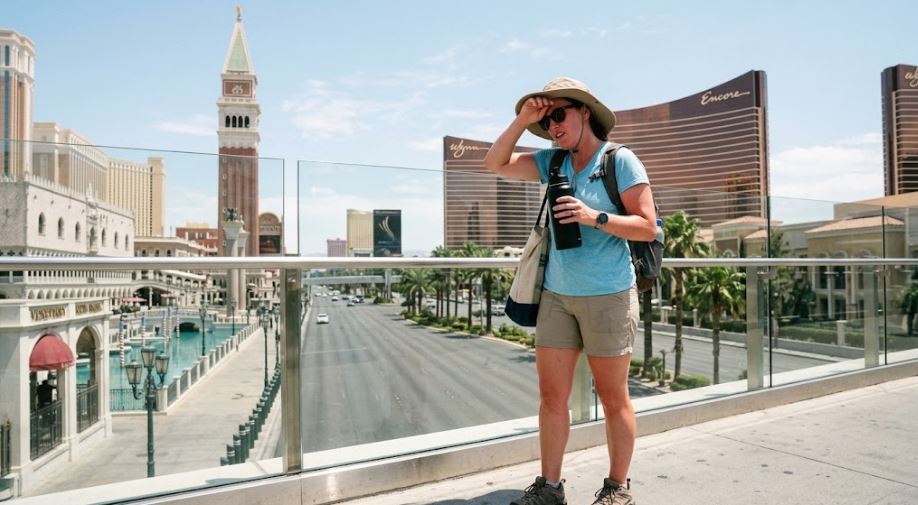

By the time you feel thirsty in Las Vegas, you’re already behind.
That’s the cruel trick of desert heat it doesn’t warn you the way humid climates do. There’s no sticky sweat dripping down your back to remind you to hydrate. Your body is losing fluid fast, and you might not even notice until you’re dizzy, nauseous, or worse.
Every summer, Las Vegas emergency rooms and urgent care clinics fill up with locals and tourists who underestimated the Mojave sun. Heat exhaustion. Severe dehydration. Sunburns bad enough to need medical treatment. Most of it is entirely preventable.
This guide will walk you through exactly how to protect yourself, your family, and your health all summer long so you can enjoy everything Vegas has to offer without ending up in an exam room.
The Reality of Las Vegas Summer Weather
Las Vegas summers aren’t just hot they’re extreme. Temperatures regularly climb past 100°F (38°C), and some days push well past 110°F. Combine that with the Mojave Desert’s notoriously low humidity, and you’ve got a climate that punishes anyone who isn’t prepared.
This isn’t your typical summer heat. It’s a different beast entirely, and it demands a different level of caution.
The Hidden Health Risks of the Mojave Climate
Here’s what makes dry heat so dangerous: it’s deceptive.
In humid climates, sweat sits on your skin, visibly signaling how much fluid you’re losing. In Las Vegas’ dry air, that same sweat evaporates almost instantly cooling your skin, but hiding just how much water and electrolytes you’re actually losing.
The result? People become severely dehydrated without ever feeling like they’re sweating heavily. By the time symptoms hit, you’re often already in trouble.
Sahara West Urgent Care & Primary Care: Keeping Vegas Cool & Healthy
Every summer, we treat locals and visitors who didn’t realize how serious desert heat could be until it was.
As a trusted provider of Primary Care in Las Vegas, Sahara West Urgent Care is equipped to handle everything from routine summer wellness checkups to urgent heat-related illnesses. Whether you need ongoing care for a chronic condition that worsens in the heat or immediate treatment for dehydration, our team is ready.
Not feeling like yourself this summer? Call (702) 248-0554, same-day appointments and walk-ins welcome.
Mastering Desert Hydration: Beyond Just Drinking Water
Understanding Fluid & Electrolyte Loss
Here’s a mistake even health-conscious people make: chugging plain water and assuming they’re covered.
In extreme dry heat, you’re not just losing water you’re losing critical electrolytes like sodium, potassium, and magnesium through sweat. Replacing water alone, without electrolytes, can actually dilute your remaining sodium levels and make dehydration symptoms worse.
The Ideal Summer Hydration Strategy
Smart desert hydration looks like this:
- Drink water consistently throughout the day don’t wait until you’re thirsty
- Add electrolytes (sports drinks, electrolyte tablets, or coconut water) especially if you’re outdoors or sweating heavily
- Aim for at least half your body weight in ounces of water daily, more if you’re active outside
- Avoid excessive caffeine and alcohol, both of which accelerate fluid loss
Pro Insight: A pinch of salt and a squeeze of citrus in your water is a simple, effective way to replace lost sodium without store-bought electrolyte drinks.
Signs of Dehydration to Watch For
Don’t wait for obvious symptoms catch dehydration early with these warning signs:
- Dry mouth or unusually sticky saliva
- Dark yellow or amber-colored urine
- Unexpected fatigue or low energy
- Dizziness or lightheadedness
- Muscle cramps, especially in legs
Mistake to avoid: Assuming you’re fine just because you don’t feel sweaty. In Las Vegas’ dry heat, this is one of the most common and most dangerous assumptions people make.
Hydration Tips for Night Shift Workers & Outdoor Laborers
If you work outside or overnight in Las Vegas, your hydration strategy needs extra planning.
- Pre-hydrate before your shift Don’t wait until you’re already at work to start drinking water
- Hydrate consistently through the night, even if you don’t feel thirsty during cooler overnight hours
- Keep water accessible at all times a bottle within arm’s reach makes a real difference in consistent intake
- Watch for dehydration symptoms even during non-peak daylight hours the desert doesn’t cool down as much as you’d expect after dark
Recognizing & Preventing Heat Illnesses
Heat Exhaustion vs. Heat Stroke: Know the Difference
Knowing the difference between these two conditions could genuinely save a life yours or someone else’s.
Heat Exhaustion (Serious, but Manageable):
- Heavy sweating
- Pale, clammy skin
- Muscle cramps
- Dizziness or headache
- Nausea
Heat Stroke (Medical Emergency Call 911):
- High body temperature of 103°F+ (39.4°C+)
- Confusion or slurred speech
- Hot, red, dry skin (sweating may stop entirely)
- Rapid pulse
- Unconsciousness
The critical distinction: Heat exhaustion can often be managed with rest, fluids, and cooling. Heat stroke is a life-threatening emergency that requires immediate medical attention don’t wait to see if it improves.
First Aid Steps for Heat-Related Distress
If you or someone nearby shows signs of heat illness, act immediately:
- Move to shade or air conditioning right away
- Loosen or remove excess clothing
- Apply cold compresses to the neck, wrists, and forehead
- Sip water slowly don’t gulp large amounts at once
- Seek medical attention if symptoms don’t improve within 30 minutes, or immediately if heat stroke is suspected
High-Risk Groups in Las Vegas
Some people face significantly higher risk from desert heat:
- Children Their bodies regulate temperature less efficiently than adults
- Seniors Often have reduced thirst response and underlying health conditions
- Tourists Frequently unaccustomed to dry desert heat and underestimate its intensity
- Outdoor hospitality and construction workers Extended sun exposure during peak heat hours
Expert Tip: If you fall into any of these groups, build extra hydration and rest breaks into your day as a non-negotiable habit, not an afterthought.
Protecting Your Skin & Eyes from Extreme UV
Sun Protection in High UV Index Zones
Las Vegas’ UV index regularly reaches “very high” to “extreme” levels during summer months, making sun protection essential rather than optional.
- Use broad-spectrum SPF 30+ sunscreen on all exposed skin
- Reapply sunscreen every 2 hours, or immediately after swimming or heavy sweating
- Don’t skip cloudy days UV rays penetrate cloud cover more than most people realize
Preventing UV-Induced Skin & Eye Damage
Sunscreen alone isn’t enough for full protection. Layer these habits into your routine:
- Broad-brimmed hats to shield your face, ears, and neck
- UV-blocking sunglasses to protect against cataracts and long-term eye damage
- Lightweight, protective clothing breathable long sleeves can actually keep you cooler while blocking UV exposure
Treating Severe Sunburns & Heat Rashes
A mild sunburn can often be managed at home with Aloe Vera, cool compresses, and hydration. But some sunburns cross the line into needing medical care.
Seek treatment at Sahara West Urgent Care if you notice:
- Blistering sunburn across a large area of skin
- Fever accompanying a sunburn
- Signs of infection (increasing redness, warmth, pus)
- Severe pain that doesn’t improve with home care
- Heat rash that spreads or shows signs of infection
Dealing with a sunburn that’s more than just uncomfortable? Visit Sahara West Urgent Care walk-ins welcome, no appointment needed.
Managing Indoor AC Transitions & Respiratory Health
The “Thermal Shock” Effect
Here’s something most people never think about: constantly moving between 110°F outdoor heat and 70°F air-conditioned interiors puts real stress on your body.
This rapid temperature swing sometimes called thermal shock can trigger headaches, dizziness, and added strain on your cardiovascular system, especially for those with existing heart conditions.
Simple fix: When possible, give your body a few minutes to acclimate rather than sprinting from a blazing parking lot straight into a freezing casino floor.
Dry Air, Allergies, and Dust Storms (Haboobs)
Las Vegas’ desert air brings its own respiratory challenges beyond just the heat.
- Sinus pressure and dry nasal passages are extremely common in low-humidity environments
- Nosebleeds occur more frequently due to dried-out nasal membranes
- Asthma flare-ups can be triggered by dust storms (locally known as haboobs) that sweep through the valley
- Dry eye syndrome worsens significantly in arid, air-conditioned environments
Real-world example: If you notice more frequent nosebleeds or sinus discomfort during summer months, it’s likely not a coincidence it’s a direct result of the desert’s extremely low humidity.
Maintaining Healthy Air Quality at Home
Protect your respiratory health at home with these habits:
- Replace HVAC filters regularly (every 1-3 months during peak summer use)
- Use a room humidifier to combat dry indoor air, especially in bedrooms
- Keep windows closed during dust storm advisories
- Consider a saline nasal spray to combat chronic dryness
Summer Wellness for Las Vegas Shift Workers
Sleeping in a Hot Climate
If you’re sleeping during 100°F+ daytime hours, your bedroom needs to work against the climate, not with it.
- Keep blackout curtains closed to block both light and radiant heat
- Run your AC a few degrees cooler than usual during sleep hours
- Consider a portable fan for additional airflow if your AC struggles to keep the room cool enough
Commuting & Vehicle Safety
Your car can become dangerously hot faster than most people realize interiors can reach 140°F+ within minutes of being parked in direct sun.
Critical safety reminders:
- Never leave children, pets, or medications in a parked car, even briefly
- Let your car’s AC run for a few minutes before entering if it’s been parked in direct sun
- Keep water in your vehicle in case of unexpected delays or breakdowns
- Watch for signs of hyperthermia if your commute involves any time outdoors
Adjusting Workout Routines
Exercising in peak Las Vegas heat isn’t just uncomfortable it’s genuinely risky.
Smarter summer workout strategies:
- Shift outdoor workouts to early morning, before temperatures peak
- Choose climate-controlled indoor gyms during summer months
- Increase hydration before, during, and after any physical activity
- Listen to your body dizziness or excessive fatigue during a workout is a sign to stop immediately
When to Visit Primary Care vs. Urgent Care for Summer Ailments
Primary Care Services
Summer heat doesn’t just cause acute injuries it can also worsen existing health conditions. This is where ongoing primary care becomes essential.
Primary care is the right choice for:
- Chronic disease management Heart conditions, in particular, can worsen significantly in extreme heat
- Skin checks Monitoring moles or spots for changes after increased sun exposure
- Routine summer wellness checkups Making sure your body is prepared to handle the season safely
If you have a condition like hypertension, diabetes, or heart disease, a Walk-In Primary Care Clinic visit before peak summer heat arrives can help you and your provider adjust your care plan proactively.
Sahara West Urgent Care Services
For sudden, summer-specific health concerns, urgent care is your fastest path to treatment. Sahara West Urgent Care provides immediate care for:
- Moderate heat exhaustion
- Severe sunburns requiring medical treatment
- Dehydration requiring IV fluid replacement
- Sprains and injuries from summer activities (hiking, pools, outdoor sports)
- Insect bites and stings
Quick tip: If you’re unsure whether your symptoms warrant urgent care or a primary care visit, our team can help direct you to the right level of care immediately.
Experiencing symptoms of heat exhaustion or severe dehydration right now? Come see us at Sahara West Urgent Care same-day treatment available.
Conclusion: Enjoy the Vegas Summer Safely
Las Vegas summers don’t have to mean dreading every trip outside. With the right hydration strategy, sun protection habits, and awareness of heat illness warning signs, you can stay safe, comfortable, and healthy all season long.
Key takeaways to remember:
- Dry desert heat hides fluid loss don’t wait until you’re thirsty to hydrate
- Know the difference between heat exhaustion and heat stroke, and act fast if symptoms appear
- Sun protection (SPF 30+, hats, UV sunglasses) is essential, not optional, in Las Vegas’ high UV index
- Manage indoor-outdoor temperature transitions and desert dryness to protect your respiratory health
- Shift workers need extra planning for sleep, hydration, and vehicle safety during extreme heat
Staying proactive rather than reactive is the difference between a great Vegas summer and a trip to urgent care.
Your Trusted Local Health Partner: Sahara West Urgent Care
Whether you need ongoing management of a chronic condition through Primary Care in Las Vegas, or urgent treatment for a heat-related illness, Sahara West Urgent Care is here for you all summer long.
✓ Same-Day Appointments Available ✓ Walk-Ins Welcome ✓ IV Fluid Treatment for Dehydration ✓ Most Major Insurance Accepted ✓ Open Saturdays ✓ Trusted Walk-In Primary Care Clinic for Las Vegas Residents
📞 Call (702) 248-0554 to schedule your visit today 📍 Visit us at: 6125 West Sahara Avenue, Las Vegas, Nevada 89146 🕒 Hours: Mon-Fri 9am-8pm | Sat 9am-3pm
Don’t let the desert heat catch you off guard. Book your visit with Sahara West Urgent Care today.
Frequently Asked Questions
1. Why is dehydration more dangerous in Las Vegas than in humid climates?
Las Vegas’ dry heat causes sweat to evaporate instantly, hiding how much fluid you’re actually losing. This makes it easy to become severely dehydrated without realizing it until symptoms like dizziness or fatigue appear.
2. What’s the difference between heat exhaustion and heat stroke?
Heat exhaustion causes heavy sweating, paleness, and dizziness, and can usually be managed with rest and fluids. Heat stroke is a medical emergency marked by a high body temperature of 103°F+, confusion, and hot, dry skin call 911 immediately.
3. How much water should I drink during Las Vegas summers?
A general guideline is at least half your body weight in ounces daily, with added electrolytes if you’re sweating heavily or spending time outdoors in the heat.
4. Can I leave my child or pet in the car for a few minutes in Las Vegas?
No. Car interiors can reach 140°F or higher within minutes, even with windows cracked. Never leave children, pets, or medications in a parked vehicle, even briefly. Risk of hyperthermia is extremely high.
5. When should I see a doctor for a sunburn?
Seek medical attention if a sunburn causes blistering over a large area, fever, signs of infection, or severe pain that doesn’t improve with home treatment.
6. Does extreme heat affect people with heart conditions?
Yes. Heat puts additional strain on the cardiovascular system, and existing heart conditions can worsen during extreme summer temperatures. Ongoing primary care management is important during peak heat season.
7. Where can I find same-day primary care in Las Vegas during the summer?
Sahara West Urgent Care offers same-day appointments and walk-in availability for primary care services, including chronic disease management and summer wellness checkups.