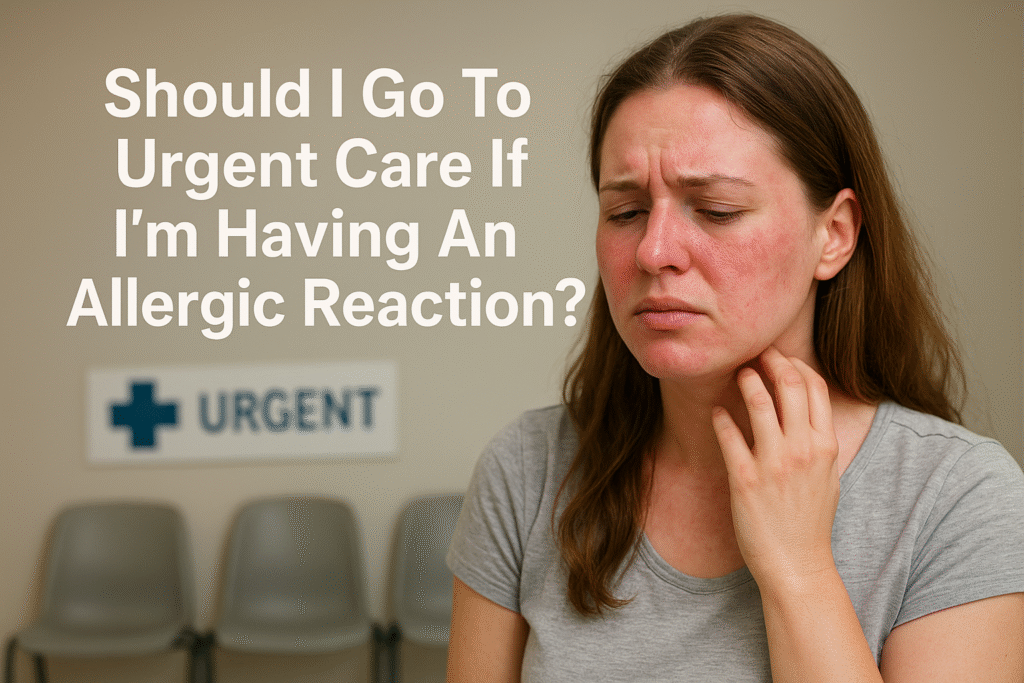
Allergies are unpredictable and can occur at any time. In case it is something that you ate, or something you were stung by an insect, or it is something in the environment that has triggered an allergic response, it is imperative to understand when to seek medical attention to keep yourself safe. A number of individuals question whether emergency care should be the destination when they suffer an allergy attack. The response relies on the kind and intensity of reaction. This article explains why urgent care In Las Vegas is the most appropriate, when to visit the emergency room, and how urgent care centers assist in treating allergic reactions well.
Why Allergic Reactions Occur
Allergic reactions occur when your immune system over-reacts to something it views as being dangerous. The symptoms may be mild or life threatening and by knowing the difference between them you can act promptly. Mild reactions can be treated at home, moderate to severe reactions require immediate care, and many cases can be best treated in an urgent care unit.
Symptoms of Mild Allergic Reactions
Itching, sneezing, watery eyes or light rash are typical mild allergic reactions. Antihistamines or home remedies can often manage these symptoms. Nevertheless, when the symptoms start to deteriorate or spread, emergent care is the appropriate option. Urgent care centers are able to attend to urgent cases quicker than some primary care offices and also address cases of allergic reactions.
When You Should Visit Urgent Care
You should visit urgent care if you experience symptoms such as persistent hives, swelling of the lips or face, a rash spreading on the skin, or vomiting caused by allergies. These symptoms are concerning, but they are often treatable quickly in an urgent care environment. The medical team can evaluate your symptoms, give antihistamines, corticosteroids, or other medications, and monitor your breathing and blood pressure to ensure you’re stable.
Benefits of Choosing Urgent Care
One major benefit of going to urgent care is the quick access to care. Unlike emergency rooms, which prioritize life-threatening cases, urgent care centers typically have shorter wait times. This allows you to receive treatment sooner, reducing discomfort and preventing your symptoms from escalating. For people with recurring allergies or those unsure about the seriousness of their symptoms, urgent care offers a practical middle-ground between home care and the emergency room.
When Urgent Care Is Not Enough
However, some allergic reactions are too severe for urgent care. In these cases, the best option is to call 911 or go directly to the emergency room.
If you ever experience signs of anaphylaxis, which is a severe, life-threatening allergic reaction, urgent care is not enough. Symptoms of anaphylaxis include difficulty breathing, throat tightness, swelling of the tongue, dizziness, confusion, a rapid drop in blood pressure, or fainting. These can progress quickly and require immediate emergency treatment with epinephrine and advanced medical support.
Using an EpiPen and Why ER Care Is Still Needed
People who have known severe allergies often carry an epinephrine auto-injector (like an EpiPen). If you use your epinephrine due to a severe reaction, you should still go to the emergency room immediately. Even after using the device, symptoms can return, and you need professional monitoring. Urgent care centers are not equipped to manage severe breathing complications or administer advanced airway support if symptoms worsen.
How Urgent Care Helps With Allergy Management
Despite this, urgent care plays a vital role in treating non-life-threatening allergic reactions. Many centers can also help you identify the cause of your reaction and give you guidance to prevent future episodes. They may recommend follow-up with an allergy specialist if your reactions are becoming frequent or unpredictable.
Diagnostics and Testing at Urgent Care
Another advantage of urgent care is the availability of on-site diagnostic tools. Some centers provide allergy testing, breathing tests, and lab work that can help confirm what’s causing your reaction. Early diagnosis can reduce the risk of future emergencies and help you understand which triggers to avoid.
Urgent Care for Children With Allergies
In addition, urgent care is a convenient solution for parents whose children develop sudden allergy symptoms. Kids often experience reactions from foods, pollen, insect stings, or skin products, and urgent care centers are trained to handle pediatric cases safely. They offer a calm environment where your child can be evaluated quickly without the long wait times of a hospital.
Final Verdict: Should You Go to Urgent Care?
So, should you go to urgent care if you are having an allergic reaction? In many cases, yes. If your symptoms are moderate, uncomfortable, or progressing but not yet severe enough to interfere with breathing, urgent care is the perfect option. It provides fast, effective, and affordable treatment.
However, if you experience difficulty breathing, swelling of the throat or tongue, or signs of anaphylaxis, always choose the emergency room. Recognizing the difference between urgent and emergency situations can save your life.
Conclusion
In summary, urgent care centers are highly effective for treating many allergic reactions. They provide quick relief, professional monitoring, and guidance for preventing future episodes. Understanding when to go to urgent care and when to seek emergency help ensures you get the right care at the right time. To schedule your appointment with the highest standard of care, visit Sahara West Urgent Care on our website, where you can also explore more informative blogs .