High blood pressure, or hypertension, affects millions of adults and significantly increases the risk of heart disease, heart attack, and stroke. While prescription medication is often a vital component of hypertension management, incorporating science-backed lifestyle changes and natural remedies can help lower your readings, improve arterial health, and enhance overall cardiovascular wellness.
Whether you want to complement your current treatment plan or prevent blood pressure spikes, these practical, physician-reviewed strategies can make a measurable difference.
1. Adopt a Heart-Healthy DASH Diet
What you eat directly impacts your vascular health. The DASH (Dietary Approaches to Stop Hypertension) diet is clinically proven to lower systolic blood pressure by emphasizing nutrient-dense foods rich in potassium, magnesium, calcium, and fiber while restricting sodium and saturated fats.
-
Leafy Greens: Spinach, kale, and Swiss chard provide essential nitrates and potassium to relax blood vessel walls.
-
Berries: Blueberries, strawberries, and raspberries contain natural antioxidant compounds called flavonoids, which help prevent hypertension.
-
Whole Grains: Oatmeal, quinoa, and brown rice deliver soluble fiber that supports healthy cholesterol and blood pressure levels.
-
Fatty Fish: Wild salmon and mackerel offer omega-3 fatty acids, which reduce systemic inflammation and lower arterial pressure.
2. Is Garlic Good for High Blood Pressure?
Yes, garlic is one of the most thoroughly researched natural remedies for high blood pressure.
Garlic contains active sulfur compounds, primarily allicin, which stimulate the production of nitric oxide. Nitric oxide signals the smooth muscles in your blood vessels to relax and dilate (vasodilation), allowing blood to flow more freely and reducing arterial pressure.
-
How to use it: Eating fresh, crushed raw garlic releases maximum allicin. Aged garlic extract supplements are also widely studied for cardiovascular support.
-
Medical note: If you take prescription blood thinners or antihypertensive medications, consult a provider before taking high-dose garlic supplements, as they can interact with medical treatments.
3. Increase Potassium and Reduce Sodium Intake
Excessive sodium causes your body to retain fluid, placing extra strain on your heart and blood vessels. The American Heart Association recommends limiting sodium intake to under 2,300 mg daily, with an optimal target of 1,500 mg per day for adults with elevated blood pressure.
Equally important is increasing your potassium intake. Potassium helps your kidneys flush excess sodium out through urine and eases tension in blood vessel walls.
-
High-potassium foods to add: Bananas, sweet potatoes, avocados, tomatoes, beans, and oranges.
-
Sodium reduction tips: Swap processed table salt for natural herbs, garlic powder, lemon juice, and spices to flavor your meals.
4. Engage in Regular Physical Activity
Aerobic exercise strengthens your heart muscle, allowing it to pump more blood with less effort. Regular physical activity can lower your systolic blood pressure by 5 to 8 mm Hg.
-
Goal: Aim for at least 150 minutes of moderate-intensity exercise per week (about 30 minutes, 5 days a week).
-
Best activities: Brisk walking, cycling, swimming, jogging, and light strength training.
5. Utilize Proven Herbal and Natural Compounds
Several botanical remedies and natural beverages demonstrate clinical benefits for cardiovascular regulation:
-
Hibiscus Tea: Rich in anthocyanins and polyphenols, drinking 2–3 cups of organic hibiscus tea daily has been shown in studies to significantly lower both systolic and diastolic blood pressure.
-
Beetroot Juice: Dietary nitrates found in beetroot juice convert into nitric oxide in the bloodstream, delivering rapid, temporary blood pressure reduction and boosting circulation.
-
Hawthorn Berry: Traditionally used in cardiovascular wellness, hawthorn helps improve cardiac output and promotes vascular elasticity.
6. Practice Stress Management Techniques
Chronic stress keeps your body in a prolonged “fight-or-flight” state, producing stress hormones like cortisol and adrenaline that elevate heart rate and constrict blood vessels.
Incorporating daily stress-reduction practices helps lower baseline sympathetic nervous system activity:
-
Diaphragmatic breathing exercises (e.g., box breathing or 4-7-8 breathing)
-
Mindfulness meditation and guided visualization
-
Yoga or light stretching routines
7. Maintain a Healthy Body Weight
Carrying excess body weight forces your heart to work significantly harder to pump blood throughout your circulatory system. Losing as little as 5 to 10% of your total body weight can produce a marked drop in blood pressure numbers. Additionally, weight loss improves airflow during sleep, reducing the risk of sleep apnea—a major secondary cause of high blood pressure.
8. Prioritize Restorative Sleep
Poor sleep quality and chronic sleep deprivation increase blood pressure and elevate the risk of cardiovascular events. During deep sleep, your body naturally lowers its heart rate and blood pressure (a process known as nocturnal dipping).
-
Aim for 7 to 9 hours of uninterrupted sleep per night.
-
Keep your bedroom cool, dark, and free of screen light before bedtime.
-
Seek medical evaluation if you experience loud snoring or frequent nighttime waking, which are signs of obstructive sleep apnea.
9. Limit Alcohol and Caffeine Consumption
-
Alcohol: Drinking alcohol in excess raises blood pressure and interferes with hypertension medications. Limit intake to no more than one drink per day for women and two for men.
-
Caffeine: Caffeine can cause a short-term sharp increase in blood pressure. If you are sensitive to caffeine, opt for decaffeinated herbal teas like hibiscus or chamomile.
When to Seek Professional Medical Care
While natural remedies offer strong supportive benefits, high blood pressure often develops without noticeable symptoms—earning it the nickname “the silent killer.” Uncontrolled hypertension can lead to severe organ damage, heart attacks, stroke, or kidney complications.
Natural treatments should complement, not replace, medical evaluation. You should visit an urgent care clinic or primary provider if:
-
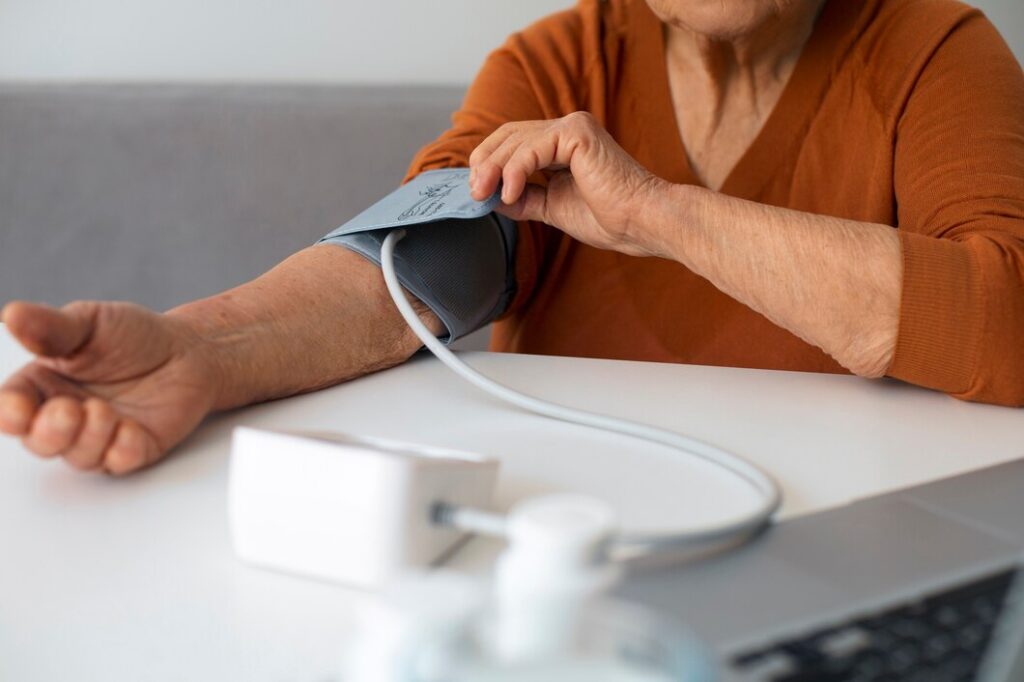
Your blood pressure readings consistently exceed 130/80 mm Hg.
-
You experience side effects from current hypertension medications.
-
You need baseline diagnostic testing, laboratory work, or personalized lifestyle counseling.
Warning: If your blood pressure reading reaches 180/120 mm Hg or higher and you experience symptoms such as severe headache, chest pain, shortness of breath, dizziness, or vision changes, seek immediate emergency medical evaluation.
Comprehensive Hypertension Assessment at Sahara West Urgent Care
Managing blood pressure requires a balanced approach combining modern diagnostics, lifestyle modifications, and individualized care. At Sahara West Urgent Care, our experienced healthcare professionals provide comprehensive medical evaluations, blood pressure screenings, on-site diagnostics, and personalized treatment plans tailored to your needs.
Whether you need help managing hypertension, evaluating symptoms, or exploring safe ways to integrate natural remedies into your routine, we are here to support your cardiovascular health.
-
No Appointment Needed: Walk in anytime during operating hours for immediate health assessments.
-
Complete Care Services: Explore our urgent care services and primary health offerings.
-
Contact Us: Schedule an appointment online or visit our clinic today.