
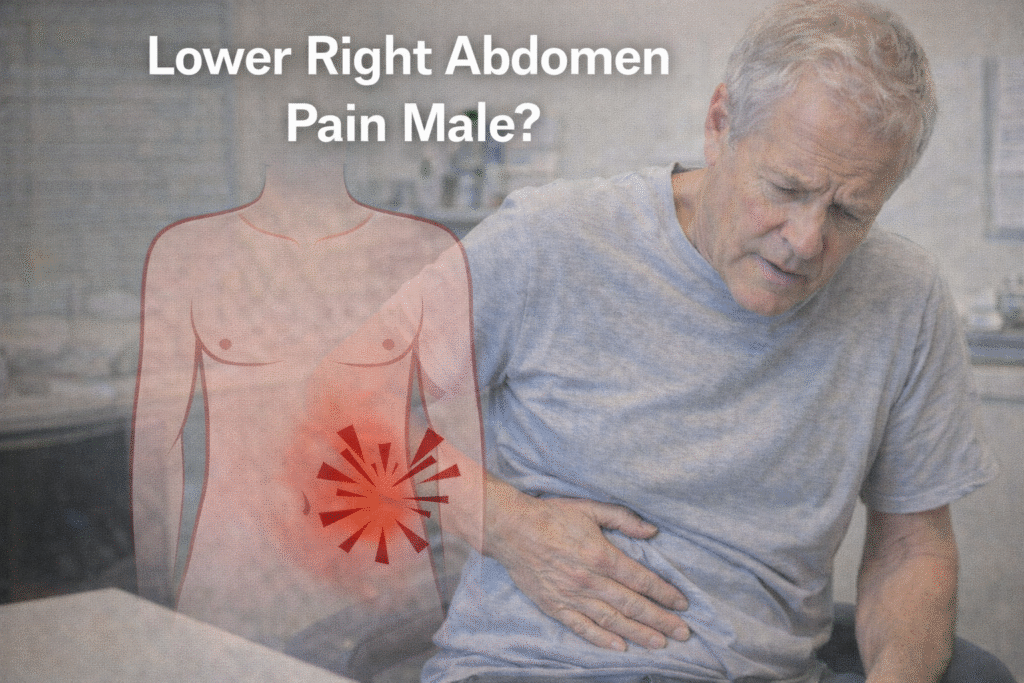
Feeling pain on the lower right side of your stomach can be stressful and painful. In men, the complaint of lower right abdomen pain male is a frequent complaint that can either be mild or debilitating pain. It is important to know what may be causing this pain in order to receive the appropriate treatment and know when to seek medical help.
This detailed guide will look at the different causes of lower right quadrant abdominal pain in men so that you can be able to determine the possible causes and make the right decisions on your health. Regardless of whether the pain is sharp, dull, persistent or intermittent, the identification of the symptoms and related conditions may be used to diagnose and treat the pain faster.
Understanding Lower Right Abdominal Anatomy
It is useful to know what organs and structures are in the lower right abdomen before getting into the causes of lower right abdomen pain in males. There are several vital organs located in the lower right quadrant of the abdomen such as the appendix, portions of the intestines, the right ureter, and in some instances, portions of the reproductive system.
This area is difficult to diagnose because pain can be caused by so many different factors. Pain in other parts of the body may also be referred to this area and this is why medical evaluation would likely be required to discover persistent or intense pain.
Appendicitis: The Most Common Culprit
When discussing lower right abdomen pain male, appendicitis often tops the list of concerns. This condition occurs when the appendix becomes inflamed and infected, typically requiring urgent medical intervention. Appendicitis affects approximately 7% of people during their lifetime, with peak incidence in the teenage years and early twenties.
Recognizing Appendicitis Symptoms
The classic presentation of appendicitis begins with pain around the navel that gradually migrates to the lower right side. The pain typically intensifies over 12 to 24 hours and becomes sharper and more localized. Additional symptoms include nausea, vomiting, loss of appetite, fever, and inability to pass gas. Many men report that the pain worsens with movement, coughing, or applying pressure to the area.
When Appendicitis Requires Emergency Care
If you suspect appendicitis, seeking immediate medical attention is crucial. A ruptured appendix can lead to peritonitis, a serious infection of the abdominal cavity. Emergency signs include severe pain, high fever, rapid heart rate, and abdominal rigidity. Surgery to remove the appendix remains the standard treatment and is most successful when performed before rupture occurs.
Digestive System Issues
Inflammatory Bowel Disease
Conditions like Crohn’s disease can cause chronic inflammation affecting the lower right abdomen. Men with inflammatory bowel disease often experience recurring episodes of pain accompanied by diarrhea, weight loss, and fatigue. The pain associated with Crohn’s disease in this region typically relates to inflammation of the terminal ileum, the last section of the small intestine.
Intestinal Obstruction
A blockage in the intestines can produce significant lower right abdomen pain male individuals experience. Obstructions may result from adhesions following previous surgery, hernias, or other structural issues. Symptoms include severe cramping pain, bloating, constipation, and vomiting. Complete obstructions constitute medical emergencies requiring prompt intervention.
Constipation and Gas
While less serious, chronic constipation can cause considerable discomfort in the lower right abdomen. Hard stool accumulating in the colon creates pressure and cramping sensations. Similarly, trapped gas can produce sharp, intermittent pains that move throughout the abdomen, sometimes concentrating in the lower right quadrant.
Kidney and Urinary Tract Conditions
Kidney Stones
Although kidney stone pain typically begins in the flank, stones traveling down the right ureter can cause intense lower right abdomen pain male patients describe as excruciating. This pain often comes in waves and may radiate to the groin. Associated symptoms include blood in urine, frequent urination, and nausea.
Urinary Tract Infections
Infections affecting the bladder or kidneys can produce lower abdominal discomfort. While UTIs are less common in men than women, they do occur and can cause burning during urination, frequent urge to urinate, and dull aching in the lower abdomen. Right-sided kidney infections specifically may concentrate pain in the lower right region.
Hernia Complications
Inguinal hernias occur when tissue pushes through a weak spot in the abdominal muscles, often in the groin area. Men are significantly more likely to develop inguinal hernias than women. When a hernia on the right side becomes incarcerated or strangulated, it produces severe lower right abdomen pain male patients find debilitating. A visible bulge, especially when coughing or straining, often accompanies hernia-related pain.
Testicular Issues Causing Referred Pain
Testicular Torsion
This urological emergency occurs when the spermatic cord twists, cutting off blood supply to the testicle. While the primary pain is testicular, many men also experience lower right abdomen pain male alongside the groin discomfort. Testicular torsion requires immediate surgery to save the affected testicle.
Epididymitis
Inflammation of the epididymis, the coiled tube behind the testicle, can cause pain that radiates upward into the lower abdomen. This condition typically results from bacterial infection or sexually transmitted infections. The pain develops gradually and may be accompanied by scrotal swelling and fever.
Muscle Strain and Injuries
Physical activity, heavy lifting, or sudden movements can strain the abdominal muscles, creating localized pain in the lower right abdomen. While muscle strains are generally less concerning than internal organ issues, they can be quite painful and may take several weeks to heal completely. The pain typically worsens with movement and improves with rest.
Less Common But Serious Causes
Colon Cancer
Though less common in younger men, colorectal cancer can present with lower right abdomen pain male individuals experience alongside changes in bowel habits, unexplained weight loss, and blood in stool. The cecum, located in the lower right abdomen, is a common site for colon tumors.
Abdominal Aortic Aneurysm
A weakening in the wall of the abdominal aorta can create an aneurysm that produces pain. While most aneurysms occur centrally, the pain can radiate to either side. This condition is more common in older men, especially those with high blood pressure or who smoke.
Diagnostic Approaches
When you present with lower right abdomen pain male, doctors employ various diagnostic tools to identify the cause. Physical examination includes palpating the abdomen to check for tenderness, masses, or rigidity. Blood tests can reveal signs of infection or inflammation, while urinalysis detects kidney stones or infections.
Imaging studies play a crucial role in diagnosis. Ultrasound provides a quick, non-invasive way to visualize organs and detect conditions like appendicitis or gallstones. CT scans offer detailed images of internal structures and are particularly useful for identifying appendicitis, kidney stones, and other serious conditions. X-rays may be used to detect intestinal obstructions or free air in the abdomen suggesting perforation.
When to Seek Immediate Medical Care
Certain warning signs accompanying lower right abdomen pain male patients experience warrant immediate emergency care. Seek urgent medical attention if you develop severe, sudden pain that doesn’t improve, fever above 101°F, persistent vomiting, inability to pass stool or gas, blood in urine or stool, or abdominal rigidity and tenderness.
Additionally, if the pain prevents you from finding a comfortable position, causes you to bend over, or is accompanied by chest pain, shortness of breath, or dizziness, call emergency services immediately. These symptoms may indicate serious conditions requiring prompt intervention.
Home Management for Mild Pain
For mild, non-urgent lower right abdomen pain male individuals can try several home remedies while monitoring symptoms. Rest allows your body to heal and prevents further strain. Applying a heating pad to the area for 15-20 minute intervals can help relax muscles and reduce discomfort.
Staying hydrated and eating a bland, easily digestible diet gives your digestive system a break. Over-the-counter pain relievers like acetaminophen can help, but avoid NSAIDs like ibuprofen if you suspect gastrointestinal issues, as they can worsen some conditions. Keep track of your symptoms, including when the pain started, its intensity, and any associated symptoms to share with your healthcare provider.
Prevention Strategies
While not all causes of lower right abdomen pain male can be prevented, certain lifestyle modifications reduce your risk. Maintaining a high-fiber diet and staying hydrated helps prevent constipation and promotes digestive health. Regular physical activity strengthens abdominal muscles and improves overall gut function.
Practicing proper lifting techniques protects against muscle strains and hernias. When lifting heavy objects, bend at your knees rather than your waist and keep the object close to your body. For men at risk of STIs, practicing safe sex and getting regular check-ups can prevent infections that might lead to conditions like epididymitis.
Conclusion
Abdominal pain in the lower right of the abdomen in male patients can be attributed to many causes that can vary between mild and severe injuries such as muscle strains that do not involve any emergency to severe diseases like appendicitis that may need urgent medical attention. Knowledge of the possible causes and the signs of warning are important as they enable you to make the right decisions concerning seeking medical attention.
Be careful of abdominal pain which is persistent or severe. Although most cases can be treated by simple means or time, there are cases that need treatment by a doctor within a short period to avoid severe complications. In case you have worrisome symptoms or your pain disrupts your normal functioning, make an appointment with your doctor to seek good medical care and diagnosis.
Getting the opportunity to be in charge of your own health is to listen to your body and do what does not feel like. There is no reason why you should not visit a doctor in case of an emergency and timely diagnosis and treatment usually result in improved results and quicker healing. To schedule your appointment with the highest standard of care and visit Sahara West Urgent Care, visit our website.
FAQs
What does it mean when a male has lower right abdominal pain?
Lower right abdominal pain in males can indicate various conditions, with appendicitis being the most common serious cause. Other possibilities include digestive issues, kidney stones, hernias, muscle strains, or reproductive system problems. The specific cause depends on accompanying symptoms and pain characteristics.
How do I know if my lower right abdomen pain is serious?
Pain requiring immediate attention includes severe, sudden onset pain, pain accompanied by fever above 101°F, persistent vomiting, inability to pass gas or stool, blood in urine or stool, or abdominal rigidity. If you’re unsure, it’s always better to seek medical evaluation.
Can gas cause pain in the lower right abdomen?
Yes, trapped gas can cause sharp, cramping pain anywhere in the abdomen, including the lower right side. Gas pain typically moves around, comes and goes, and improves after passing gas or having a bowel movement. If pain persists beyond 24 hours, consider other causes.
How long should I wait before seeing a doctor for lower right abdominal pain?
Seek immediate care for severe pain or concerning symptoms. For mild to moderate pain without warning signs, monitor it for 24-48 hours. If the pain persists, worsens, or you develop new symptoms, schedule a medical appointment promptly.
Can stress cause lower right abdominal pain?
While stress can affect digestive function and contribute to conditions like irritable bowel syndrome that may cause abdominal discomfort, isolated lower right abdominal pain is more likely related to physical causes. However, stress can exacerbate existing digestive conditions.
What tests will a doctor perform for lower right abdominal pain?
Initial evaluation includes physical examination and medical history. Depending on findings, doctors may order blood tests, urinalysis, ultrasound, CT scan, or X-rays. The specific tests depend on suspected causes based on your symptoms and examination results.