
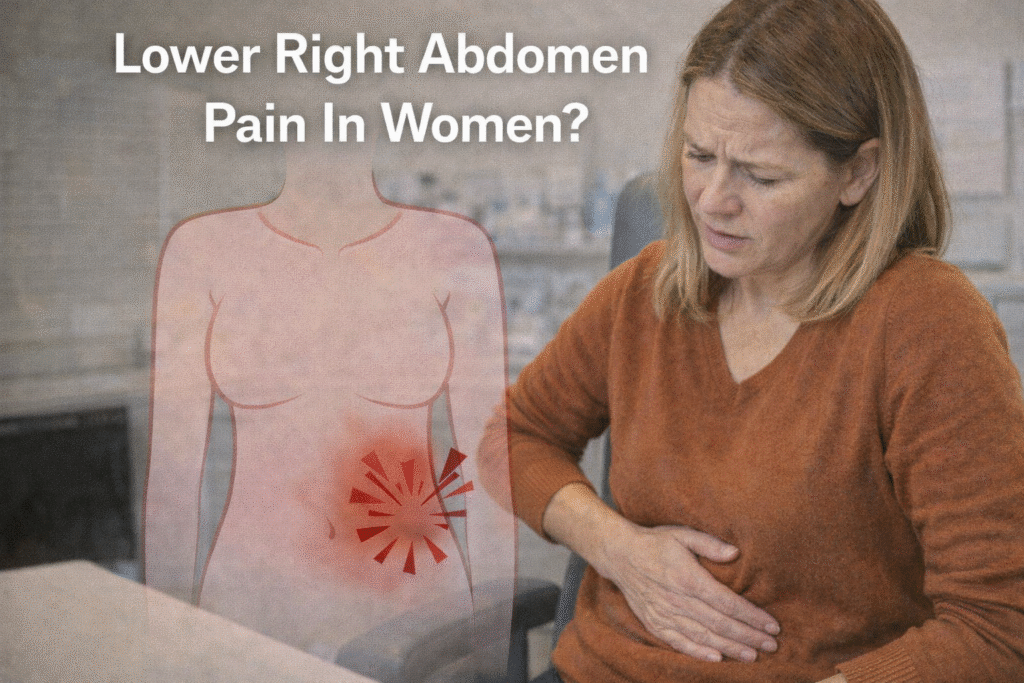
Experiencing sharp or dull discomfort in your lower right abdomen can be concerning and disruptive to daily life. Lower right abdomen pain in women is a common complaint that affects countless individuals each year, ranging from mild temporary discomfort to severe conditions requiring immediate medical attention. Understanding the underlying causes is essential for proper treatment and peace of mind.
The lower right quadrant of the abdomen houses several vital organs and structures, including the appendix, right ovary, right fallopian tube, portions of the intestines, and the ureter. When pain strikes this area, it can stem from various sources, making accurate diagnosis crucial. Women face unique challenges in identifying the cause, as reproductive organs add complexity to potential diagnoses.
This comprehensive guide explores the common and serious causes of lower right abdomen pain in women, helping you recognize warning signs and understand when professional medical evaluation becomes necessary. Whether you’re experiencing occasional twinges or persistent discomfort, this information empowers you to make informed decisions about your health.
Understanding the Lower Right Abdomen Anatomy
The lower right abdomen contains multiple organs and structures that can become sources of pain. The appendix, a small finger-shaped pouch attached to the large intestine, sits prominently in this region. Additionally, women have their right ovary and fallopian tube located here, which can contribute to gynecological causes of discomfort.
The ascending colon, part of the large intestine, runs through this area and can cause pain when inflamed or obstructed. The right ureter, which carries urine from the kidney to the bladder, also passes through this quadrant. Understanding this anatomy helps narrow down potential causes when pain develops.
Blood vessels, nerves, muscles, and ligaments throughout the pelvic region can also generate discomfort. The interconnected nature of these structures means that pain originating in one area might radiate or be felt elsewhere, complicating self-diagnosis.
Appendicitis as a Primary Concern
Appendicitis represents one of the most critical causes of lower right abdomen pain in women and requires immediate medical intervention. This condition occurs when the appendix becomes inflamed and infected, typically due to blockage by hardened stool, foreign bodies, or infection.
The classic presentation begins with vague discomfort around the navel that gradually migrates to the lower right abdomen over several hours. The pain typically intensifies with movement, coughing, or applying pressure to the area. Additional symptoms include loss of appetite, nausea, vomiting, low-grade fever, and inability to pass gas.
Without prompt surgical removal, an inflamed appendix can rupture, spreading infection throughout the abdominal cavity in a life-threatening condition called peritonitis. Women should never ignore severe, worsening pain in the lower right abdomen, especially when accompanied by fever and digestive symptoms. Emergency medical care can prevent serious complications and ensure the best outcomes.
Ovarian Cysts and Their Impact
Ovarian cysts are fluid-filled sacs that develop on or within the ovaries, representing a frequent gynecological cause of lower right abdomen pain in women. Most cysts form as a normal part of the menstrual cycle and disappear without treatment within a few months.
However, larger cysts or those that rupture can cause significant discomfort. Women might experience sudden, sharp pain or a dull, persistent ache in the lower abdomen. The pain may worsen during intercourse, bowel movements, or physical activity. Some women also notice bloating, feeling of fullness, or changes in their menstrual patterns.
Complications arise when cysts grow excessively large, rupture, or cause ovarian torsion where the ovary twists on itself. Ruptured cysts can cause internal bleeding and severe pain requiring medical evaluation. Regular gynecological examinations and ultrasound monitoring help track cyst development and determine appropriate treatment approaches, ranging from watchful waiting to surgical intervention.
Ectopic Pregnancy Warnings
An ectopic pregnancy occurs when a fertilized egg implants outside the uterus, most commonly in the fallopian tube. This serious condition causes lower right abdomen pain in women when the pregnancy develops in the right fallopian tube and represents a medical emergency.
Early symptoms may include missed periods, positive pregnancy tests, and mild cramping that progressively worsens. As the ectopic pregnancy grows, women experience sharp, stabbing pain on one side of the abdomen, vaginal bleeding, shoulder pain from internal bleeding irritating the diaphragm, and dizziness or fainting from blood loss.
An untreated ectopic pregnancy can rupture the fallopian tube, causing life-threatening internal hemorrhage. Any woman of reproductive age experiencing severe abdominal pain with pregnancy symptoms requires immediate emergency evaluation. Early detection through blood tests measuring pregnancy hormones and ultrasound imaging allows for medication or surgical treatment before rupture occurs, potentially preserving fertility and preventing dangerous complications.
Pelvic Inflammatory Disease
Pelvic inflammatory disease (PID) is an infection of the female reproductive organs, typically caused by sexually transmitted bacteria spreading from the vagina to the uterus, fallopian tubes, or ovaries. This condition commonly produces lower right abdomen pain in women, especially when the right-sided reproductive structures are primarily affected.
Women with PID experience dull, aching pain that may be constant or intermittent. Additional symptoms include abnormal vaginal discharge with unpleasant odor, painful urination, painful intercourse, irregular menstrual bleeding, fever, and general malaise. The infection causes inflammation and scarring that can lead to chronic pelvic pain, infertility, and increased ectopic pregnancy risk if left untreated.
Prompt antibiotic treatment is essential to clear the infection and minimize long-term reproductive complications. Sexual partners also require treatment to prevent reinfection. Women can reduce PID risk through consistent condom use, limiting sexual partners, and regular STI screening.
Kidney Stones and Urinary Issues
Kidney stones passing through the right ureter can generate intense lower right abdomen pain in women. These hard mineral deposits form in the kidneys and travel through the urinary tract, causing excruciating discomfort when they become lodged or scrape against sensitive tissue.
The pain typically begins in the back or side below the ribs and radiates around to the lower abdomen and groin. Women describe the sensation as severe, cramping waves of pain that come and go as the stone moves. Blood in the urine, frequent urination, urgent need to urinate, nausea, and vomiting commonly accompany stone passage.
Smaller stones may pass naturally with increased fluid intake and pain medication, while larger stones require medical intervention such as shock wave lithotripsy to break them apart or surgical removal. Urinary tract infections affecting the right kidney or ureter also cause similar pain patterns and require antibiotic treatment to prevent kidney damage.
Digestive System Disorders
Several gastrointestinal conditions manifest as lower right abdomen pain in women. Inflammatory bowel diseases like Crohn’s disease frequently affect the terminal ileum in the lower right abdomen, causing chronic inflammation, pain, diarrhea, and weight loss.
Irritable bowel syndrome (IBS) produces cramping, bloating, and pain that can localize to any abdominal quadrant, including the lower right side. Symptoms typically improve after bowel movements and may be triggered by specific foods or stress. Constipation with stool buildup in the ascending colon creates pressure and discomfort in this region.
Intestinal infections, food poisoning, and gastroenteritis cause acute pain, cramping, diarrhea, and sometimes fever. Diverticulitis, though more common on the left side, can occasionally affect the right colon in some populations. Proper diagnosis through medical history, physical examination, and sometimes imaging or endoscopy guides appropriate treatment strategies for digestive causes of pain.
Endometriosis and Adenomyosis
Endometriosis occurs when tissue similar to the uterine lining grows outside the uterus, commonly on the ovaries, fallopian tubes, and pelvic tissues. When endometrial implants affect structures in the lower right pelvis, women experience lower right abdomen pain in women that often worsens during menstruation.
The cyclical nature of endometriosis pain coincides with hormonal fluctuations throughout the menstrual cycle. Women describe deep, aching pain that may become severe during periods, along with painful intercourse, painful bowel movements or urination during menstruation, excessive bleeding, and fertility difficulties.
Adenomyosis, where endometrial tissue grows into the muscular uterine wall, causes similar symptoms with heavy, prolonged periods and cramping. Both conditions require gynecological evaluation and may be managed with hormonal medications, pain management, or surgical treatment depending on severity and fertility goals.
Mittelschmerz and Ovulation Pain
Mittelschmerz, German for “middle pain,” refers to the lower right abdomen pain in women or left-sided pain that occurs during ovulation around the middle of the menstrual cycle. When the right ovary releases an egg, some women experience sudden, sharp pain or dull cramping lasting from minutes to hours or occasionally up to two days.
This physiological pain results from the follicle rupturing to release the egg, potentially accompanied by minor internal bleeding or fluid release that irritates the abdominal lining. The pain switches sides depending on which ovary ovulates that cycle. Some women also notice light spotting or increased vaginal discharge during ovulation.
Mittelschmerz is generally harmless and doesn’t require treatment beyond over-the-counter pain relievers if needed. However, severe pain or pain lasting beyond a few days warrants medical evaluation to rule out other conditions like ovarian cysts or ectopic pregnancy. Tracking symptoms alongside menstrual cycles helps confirm ovulation pain as the cause.
Muscle Strains and Musculoskeletal Causes
Physical causes shouldn’t be overlooked when investigating lower right abdomen pain in women. Strained abdominal muscles from exercise, heavy lifting, or sudden movements can create localized pain that worsens with specific movements or positions.
The pain from muscle strains typically increases when contracting the affected muscles, such as during coughing, laughing, or twisting movements. Unlike internal organ problems, musculoskeletal pain often improves with rest and worsens with activity. Tender spots may be identified by pressing on the abdominal wall.
Hernias, where internal tissue protrudes through a weak spot in the abdominal wall, can also cause pain and a visible bulge that may increase when standing or straining. Sports hernias and round ligament pain during pregnancy represent additional musculoskeletal sources. These conditions usually respond to rest, ice, anti-inflammatory medications, and sometimes physical therapy or surgical repair for hernias.
When to Seek Immediate Medical Attention
Certain warning signs accompanying lower right abdomen pain in women demand immediate emergency care. Sudden, severe pain that prevents normal activities or worsens rapidly requires urgent evaluation. Fever above 101°F combined with abdominal pain suggests infection needing prompt treatment.
Persistent vomiting preventing fluid intake leads to dehydration and may indicate serious conditions like appendicitis or bowel obstruction. Vaginal bleeding during pregnancy with abdominal pain raises concerns for ectopic pregnancy or miscarriage. Signs of shock including rapid heartbeat, shallow breathing, dizziness, cold and clammy skin, or loss of consciousness indicate potential internal bleeding requiring emergency intervention.
Inability to pass stool or gas combined with bloating and pain suggests bowel obstruction. Blood in vomit or stool, severe pain during pregnancy, or pain following abdominal trauma all warrant immediate medical assessment. When in doubt, seeking evaluation is always safer than delaying care for potentially serious conditions.
Diagnostic Approaches and Medical Evaluation
Healthcare providers use multiple approaches to diagnose lower right abdomen pain in women. The evaluation begins with detailed medical history including pain characteristics, duration, location, associated symptoms, menstrual history, sexual activity, and pregnancy possibility.
Physical examination involves palpating the abdomen to identify tenderness, masses, or guarding. Pelvic examinations assess reproductive organs for abnormalities, tenderness, or masses. Laboratory tests include complete blood counts to detect infection or anemia, urinalysis to identify urinary tract issues, pregnancy tests, and STI screening when appropriate.
Imaging studies provide crucial diagnostic information. Ultrasound examines reproductive organs, appendix, and identifies cysts or ectopic pregnancy. CT scans offer detailed views of abdominal and pelvic structures, detecting appendicitis, kidney stones, or other abnormalities. MRI may be used in specific situations, particularly for evaluating endometriosis. The diagnostic approach is tailored to individual symptoms and suspected causes.
Treatment Options and Management Strategies
Treatment for lower right abdomen pain in women depends entirely on the underlying cause. Appendicitis requires surgical removal of the appendix, typically through minimally invasive laparoscopic surgery. Ovarian cysts may resolve naturally with observation or require surgical removal if large, painful, or potentially cancerous.
Ectopic pregnancy treatment includes methotrexate medication for early cases or surgical intervention for ruptured tubes. PID responds to antibiotic regimens treating the causative bacteria. Kidney stones are managed with pain control, hydration, and sometimes procedures to break up or remove larger stones.
Endometriosis treatment ranges from hormonal medications suppressing menstrual cycles to surgical removal of endometrial implants. IBS management involves dietary modifications, stress reduction, and medications controlling symptoms. Pain from ovulation or minor cysts typically responds to over-the-counter pain relievers. Working closely with healthcare providers ensures appropriate treatment matching the specific diagnosis.
Prevention and Long-Term Health Maintenance
Preventing lower right abdomen pain in women involves addressing modifiable risk factors and maintaining overall health. Practicing safe sex with consistent condom use reduces STI risk and subsequent PID. Regular gynecological examinations enable early detection of reproductive system abnormalities.
Maintaining healthy weight, staying well-hydrated, and consuming adequate dietary fiber prevents constipation and reduces kidney stone formation. Managing stress through relaxation techniques, exercise, and adequate sleep helps control IBS symptoms and overall pain perception. Prompt treatment of urinary tract infections prevents progression to kidney involvement.
Women should track menstrual cycles to recognize normal patterns and identify irregularities early. Building strong core muscles through appropriate exercise supports abdominal structures and may reduce strain-related pain. Avoiding smoking and limiting alcohol consumption promotes overall pelvic health. Regular health screenings and open communication with healthcare providers enable proactive management of potential issues before they become serious problems.
Conclusion
Understanding the various causes of lower right abdomen pain in women empowers you to recognize when symptoms require medical attention versus when they represent normal physiological processes. From serious conditions like appendicitis and ectopic pregnancy to more benign causes like ovulation pain and muscle strains, identifying the source guides appropriate treatment and prevents complications.
Never ignore severe, persistent, or worsening pain accompanied by fever, bleeding, or other concerning symptoms. Early medical evaluation leads to accurate diagnosis and timely intervention, potentially preventing serious health consequences. By staying informed about your body, tracking symptoms, and maintaining open communication with healthcare providers, you take control of your health and well-being.
To schedule your appointment with the highest standard of care and visit Sahara West Urgent Care, visit our website.
FAQs
What does lower right abdomen pain feel like in women?
The sensation varies depending on the cause. Some women describe sharp, stabbing pain, while others experience dull, aching discomfort. The pain may be constant or come in waves, and it might worsen with movement, eating, or during menstruation. Severity ranges from mild annoyance to debilitating pain requiring immediate medical care.
Can stress cause lower right abdomen pain?
Yes, stress can trigger or worsen digestive conditions like irritable bowel syndrome, which may manifest as lower right abdomen pain. Stress also affects muscle tension and pain perception throughout the body. However, attributing pain solely to stress without medical evaluation risks missing serious underlying conditions requiring treatment.
How long does ovulation pain typically last?
Ovulation pain (mittelschmerz) usually lasts from a few minutes to several hours, though some women experience discomfort for up to two days. The pain occurs mid-cycle when the ovary releases an egg. If pain persists beyond this timeframe or becomes severe, medical evaluation should rule out other conditions like ovarian cysts.
Is lower right abdomen pain always serious?
Not all lower right abdomen pain indicates serious conditions. Many causes are benign, including ovulation pain, mild digestive upset, or muscle strain. However, certain symptoms like fever, severe pain, vomiting, vaginal bleeding during pregnancy, or rapidly worsening discomfort require immediate medical attention to rule out conditions like appendicitis or ectopic pregnancy.
What tests diagnose lower right abdomen pain?
Diagnostic tests vary based on suspected causes but commonly include blood tests, urinalysis, pregnancy tests, and imaging studies like ultrasound or CT scans. Pelvic examinations assess reproductive organs, while specialized tests may evaluate digestive function or detect specific infections. Your healthcare provider selects appropriate tests based on your symptoms and medical history.
Can lower right abdomen pain affect fertility?
Some causes of lower right abdomen pain can impact fertility if untreated. Pelvic inflammatory disease causes scarring that may block fallopian tubes. Endometriosis can affect reproductive organs and egg quality. Ovarian cysts occasionally damage ovarian tissue. Prompt treatment of underlying conditions minimizes fertility risks and preserves reproductive health.