
Your head is pounding. Your mouth feels like you’ve been chewing on cotton. You’ve had three bottles of water today, but somehow you feel worse, not better.
If you’re nodding along right now, you’re not imagining things and you’re definitely not alone.
Las Vegas has a way of draining you dry before you even realize it’s happening. Between the desert heat, the endless walking, the pool days, and the nightlife, your body can lose fluids faster than you can replace them. And here’s the part that catches most people off guard: by the time you feel thirsty, you’re often already dehydrated.
This guide will help you recognize the early warning signs, understand when dehydration becomes a real emergency, and learn why IV hydration has become the go-to solution for tourists, conventioneers, and locals who need fast, effective relief. Whether you’re here for a bachelorette weekend, a work conference, or you call Vegas home, understanding your body’s hydration needs in this climate isn’t optional, it’s essential.
The Las Vegas Environment and Dehydration Risks
Understanding the Mojave Desert Microclimate
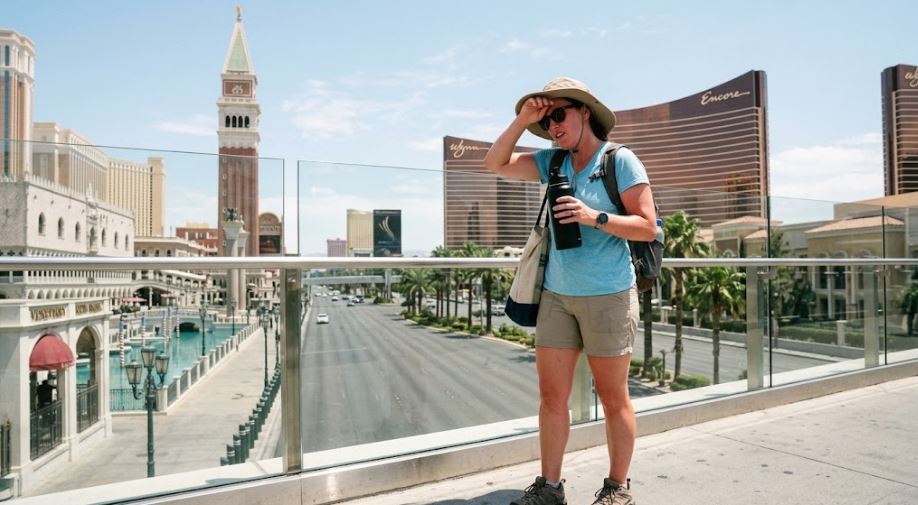
Las Vegas sits in the middle of the Mojave Desert, and that location isn’t just a scenic detail, it’s the reason your body works overtime here. Daytime temperatures regularly climb above 100°F for months at a time, and humidity levels often hover in the single digits.
That combination creates a perfect storm for rapid fluid loss. Sweat evaporates almost instantly off your skin in this dry air, which means your body is losing moisture constantly, even when you don’t feel like you’re sweating at all.
The “Dry Heat” Illusion
You’ve probably heard someone say, “It’s a dry heat, so it’s not that bad.” Respectfully, that’s one of the most dangerous myths about desert climates.
In humid environments, sweat sits on your skin, so you see and feel how much fluid you’re losing. In Las Vegas, sweat evaporates almost as fast as your body produces it. You stay looking dry, but underneath, you’re losing water and electrolytes at a steady, silent pace.
This is exactly why so many visitors get blindsided by dehydration symptoms. They assume they’re fine because they’re not visibly drenched. Meanwhile, their body is quietly running on empty.
High-Risk Activities That Accelerate Dehydration
Certain Vegas experiences put you at significantly higher risk. Recognizing them helps you plan ahead.
Walking the Strip and sightseeing The Strip is deceptively long, and the heat radiating off the pavement adds extra thermal stress on top of the air temperature. A casual afternoon of sightseeing can easily rack up 15,000+ steps in blazing sun.
Pool parties, dayclubs, and outdoor lounging Sun exposure, alcohol, and hours by the pool are a dehydration triple threat. Many people don’t realize how much fluid they lose lounging poolside because they feel cool from the water or shade.
Nightlife, alcohol consumption, and dancing Alcohol is a diuretic, meaning it actively pulls fluid out of your body. Combine that with dancing in a packed, warm club and skipping water between drinks, and you’ve got a recipe for a rough morning.
Conferences, convention centers, and air conditioning This one surprises people. Spending all day indoors at a convention doesn’t protect you heavily. Air-conditioned spaces have very low humidity, which continues to dry you out even though you’re not in the heat.
Early Signs and Symptoms of Mild to Moderate Dehydration
Catching dehydration early is the difference between a quick recovery and a ruined day (or trip). Here’s what to watch for.
Physical Warning Signs
- Persistent thirst and a dry, sticky mouth your body’s first alarm bell, and one most people ignore too long
- Chapped lips and a dry throat often mistaken for “just the dry air”
- Mild fatigue, lethargy, and brain fog feeling unusually tired or unfocused, even on vacation
- Headaches and mild dizziness upon standing a sign your blood volume and blood pressure are dropping
Visual and Physiological Indicators
- Dark-colored urine anywhere from amber to apple-juice colored is a clear red flag
- Decreased frequency of urination going far less often than usual
- Dry skin that lacks elasticity pinch the back of your hand; if the skin doesn’t snap back quickly, that’s a sign
Expert tip: Urine color is one of the fastest, most reliable self-checks you can do. Pale, light yellow is the goal. If it looks like apple juice or darker, your body is telling you it needs fluids now.
If you’re already noticing several of these signs, don’t wait it out and hope it passes that mindset is exactly how a mild issue turns into a lost day. This is usually the point where a fast, medically supervised solution like IV Therapy in Las Vegas can turn things around in a fraction of the time it would take to recover on your own.
Severe Dehydration Red Flags (When to Seek Immediate Help)
Mild dehydration is uncomfortable. Severe dehydration is dangerous. Knowing the difference could genuinely protect your health.
Critical Neurological Signs
- Extreme confusion, disorientation, or dizziness that doesn’t improve
- Lightheadedness so intense you can’t stand or walk normally
- Fainting or losing consciousness, even briefly
Severe Physical Distress
- No urination at all for several hours
- Rapid heartbeat (tachycardia) or rapid, shallow breathing
- Sunken eyes, extreme lethargy, or trouble staying alert
These are emergency warning signs, not “wait and see” symptoms.
Emergency Room Care vs. Elective Wellness Treatment
This distinction matters, and it’s one people often get wrong.
If you’re experiencing fainting, confusion, a racing heart, or you simply can’t keep fluids down, that’s an emergency room situation, go immediately, or call 911.
If you’re dealing with the earlier-stage symptoms of headache, fatigue, thirst, mild dizziness, hangover-type misery that’s the window where proactive, elective IV hydration can prevent things from escalating and get you feeling human again fast.
Think of it this way: waiting until you need the ER is waiting too long. Addressing dehydration when the warning signs first appear is what keeps your trip (or your workday) on track.
Why Oral Hydration Isn’t Always Enough in Las Vegas
“Just drink more water” is well-meaning advice but in a desert environment, it’s often incomplete.
The Limitations of Water Alone When You’re Severely Depleted
Once you’re significantly dehydrated, your digestive system simply can’t absorb water fast enough to catch up. You can drink bottle after bottle and still feel awful, because your body is playing catch-up at a pace that oral intake can’t match.
Electrolyte Imbalance: The Missing Piece
When you sweat in the desert heat, you’re not just losing water you’re losing sodium, potassium, and magnesium. These electrolytes are what allow your cells to actually use the water you drink.
Plain water without electrolytes can even dilute your remaining sodium levels further, which is why some people drink water all day and still feel foggy, crampy, or exhausted.
The Gastrointestinal Bottleneck
Here’s something most people don’t realize: your stomach can only absorb water at a limited rate. Chugging large amounts at once often overwhelms your GI system, leading to nausea, bloating, or that sloshy, uncomfortable feeling without actually rehydrating your cells any faster.
This is precisely the gap that IV hydration is designed to close.
What Is IV Hydration and How It Works
The Definition
IV (intravenous) fluid therapy delivers a carefully balanced solution of fluids, electrolytes, and vitamins directly into your bloodstream through a small IV line.
The Science: Bypassing the Digestive Bottleneck
Because the fluid goes directly into your bloodstream, it skips the digestive process entirely. That means 100% bioavailability your body doesn’t have to break anything down or wait on absorption. Rehydration and symptom relief happen far faster than oral fluids alone could achieve.
What’s Actually in a Hydration IV Bag
A typical hydration IV includes:
- Normal saline or Lactated Ringer’s solution the fluid base that rapidly restores volume
- Essential electrolytes sodium, potassium, and magnesium to correct imbalances
- B-complex vitamins and Vitamin C support energy production and immune function
- Antioxidants like Glutathione help your body recover and detoxify faster
This combination is specifically designed to address what oral hydration alone often can’t.
Benefits of IV Hydration for Las Vegas Visitors and Residents
Rapid Symptom Relief
Headaches, fatigue, and nausea can start easing within the first 30–60 minutes of treatment, a dramatic difference compared to hoping oral fluids eventually catch up.
Faster Recovery From Hangovers, Exhaustion, or Heat Cramps
Instead of writing off half your day to feeling terrible, IV hydration can get you back to functioning and enjoying your trip in a fraction of the time.
Restored Energy and Mental Clarity
Whether you’re heading into day two of a conference or you just want to actually remember your vacation, clear-headed energy matters. IV hydration replenishes what dehydration takes away.
Customized IV Blends for Specific Needs
Not every situation calls for the same formula. Options are often tailored for:
- Immune support extra vitamin C and zinc during cold and flu season or travel stress
- Athletic recovery for golfers, gym-goers, or anyone active in the heat
- Party and hangover recovery targeted electrolytes and anti-nausea support after a big night
Pro insight: The best time to consider IV hydration isn’t after you’ve hit rock bottom, it’s the moment you notice those early symptoms. Treating dehydration proactively is faster, more comfortable, and more effective than waiting until you feel truly awful.
Choosing the Right IV Hydration Option in Las Vegas
In-Clinic IV Lounges vs. Mobile IV Services
You generally have two paths:
- In-clinic hydration lounges walk in, get assessed, and receive treatment in a clinical setting
- Mobile IV services a provider comes to your hotel room, home, or office, which can be ideal if you’re too wiped out to travel or want privacy
Both have their place depending on how you’re feeling and what fits your schedule.
Safety First: Why Licensed Medical Professionals Matter
This is one area where cutting corners is genuinely risky. IV therapy involves needles, fluid volumes, and medical assessment should always be administered by licensed nurses or paramedics, ideally under medical oversight.
Before booking any service, ask directly: Who is administering my IV, and what are their credentials? A reputable provider will answer this without hesitation.
What to Expect During a Session
A typical IV hydration visit follows a simple, low-stress process:
- Consultation a quick health history and symptom review to determine the right blend for you
- Vein assessment a professional identifies the best, safest site for the IV
- Infusion treatment typically runs 30–45 minutes, during which you can relax, sit back, or even keep working
Most people are surprised by how quick and comfortable the process actually is.
If you’re already dealing with dehydration symptoms and want a same-day solution, working with an established, licensed provider is worth the peace of mind. A trusted local option like Sahara West Urgent Care’s IV Therapy in Las Vegas combines medical-grade oversight with the convenience Vegas visitors and locals actually need without the guesswork of choosing between random pop-up services.
It’s also worth knowing that dehydration is often just one piece of a bigger picture. If you’re dealing with recurring symptoms, an illness, or you simply don’t have a doctor while you’re in town, a Walk in Primary Care Clinic can address the underlying issue not just the symptom in a single visit.
Practical Prevention Tips for Staying Hydrated in Las Vegas
Prevention will always beat treatment. A few smart habits can save you from ever reaching crisis mode.
Daily Water Intake Guidelines for Desert Environments
In a climate like Las Vegas, general hydration guidelines often fall short. Aim higher than you would at home, and don’t wait until you feel thirsty to drink by then, you’re already behind.
Smart Pacing With Alcohol and Caffeine
- Alternate every alcoholic or caffeinated drink with a glass of water or an electrolyte beverage
- Avoid back-to-back drinks in direct sun or on the dance floor
- Set a mental “water checkpoint” every hour when you’re out
Sun Protection and Smart Timing
- Schedule outdoor sightseeing for early morning or evening when temperatures drop
- Seek shade during peak afternoon heat (typically 12 PM–4 PM)
- Wear a hat and lightweight, breathable clothing
Eat Your Water: Dietary Considerations
Water-rich foods like watermelon, cucumbers, oranges, and leafy greens contribute meaningfully to your hydration and they’re an easy win while you’re exploring restaurants around the city.
Mistake to avoid: Relying solely on plain water while sweating heavily for hours. Without electrolytes, you can still end up dehydrated (or even dilute your sodium levels) despite drinking plenty.
Key Takeaways
Las Vegas is an incredible place to visit or live but its desert climate doesn’t forgive complacency when it comes to hydration.
- The dry heat hides how much fluid you’re actually losing
- Early symptoms like thirst, fatigue, and headache are your body’s warning system don’t ignore them
- Severe symptoms like fainting, confusion, or a racing heart need emergency care, not home remedies
- Oral water alone often isn’t enough once you’re significantly dehydrated
- IV hydration delivers fast, effective relief by restoring fluids and electrolytes directly into your bloodstream
- Prevention smart pacing, timing, and water-rich foods is your best long-term defense
Whether you’re closing out a big night, wrapping up a conference, or just trying to make it through another 100-degree afternoon, listening to your body’s signals is what keeps your Las Vegas trip (or your everyday life here) running smoothly.
Ready to Feel Like Yourself Again?
You don’t have to push through a pounding headache or write off your day to exhaustion. If you’re noticing any of the warning signs above, fast, professional treatment is available now.
Book your IV Therapy in Las Vegas with a licensed medical team and get back to feeling clear, energized, and ready to enjoy everything the city has to offer. And if hydration isn’t your only concern, our Primary Care in Las Vegas and walk-in services are here for whatever else comes up because your health shouldn’t have to wait for an appointment three weeks from now.
Frequently Asked Questions
- How do I know if I’m dehydrated in Las Vegas? Watch for persistent thirst, a dry mouth, dark yellow or amber urine, fatigue, headache, and dizziness when standing. If you notice several of these together, especially after time outdoors or a night of drinking, your body is likely signaling dehydration.
- Can you get dehydrated in Las Vegas even if you’re not sweating much? Yes. The dry desert air causes sweat to evaporate almost instantly, so you can lose significant fluid without ever feeling visibly sweaty. This is one of the most common reasons visitors get caught off guard.
- How fast does IV hydration work? Most people begin feeling relief from symptoms like headache, fatigue, and nausea within 30 to 60 minutes, since the fluids and electrolytes go directly into the bloodstream rather than through the digestive system.
- Is IV hydration safe? Yes, when administered by licensed medical professionals such as nurses or paramedics following proper medical protocols. Always confirm that your provider uses licensed staff before booking any service.
- When should I go to the ER instead of getting IV hydration therapy? If you’re experiencing fainting, extreme confusion, a rapid heartbeat, no urination for several hours, or you can’t keep any fluids down, seek emergency care immediately. IV hydration lounges are appropriate for mild-to-moderate symptoms, not medical emergencies.
- How much water should I drink per day in the Las Vegas heat? Because of the extreme dryness and heat, most people need noticeably more fluids than standard guidelines suggest and pairing water with electrolytes is key, especially if you’re outdoors, drinking alcohol, or spending the day at the pool.
- Does alcohol make dehydration worse in Vegas? Yes, significantly. Alcohol is a diuretic, meaning it increases fluid loss. Combined with heat, sun exposure, and dancing, it’s one of the fastest paths to dehydration on the Strip.
- Do I need a doctor’s referral for IV hydration? No, IV hydration is typically an elective wellness treatment that doesn’t require a referral. A brief consultation with the treating medical professional is usually all that’s needed before your infusion begins.