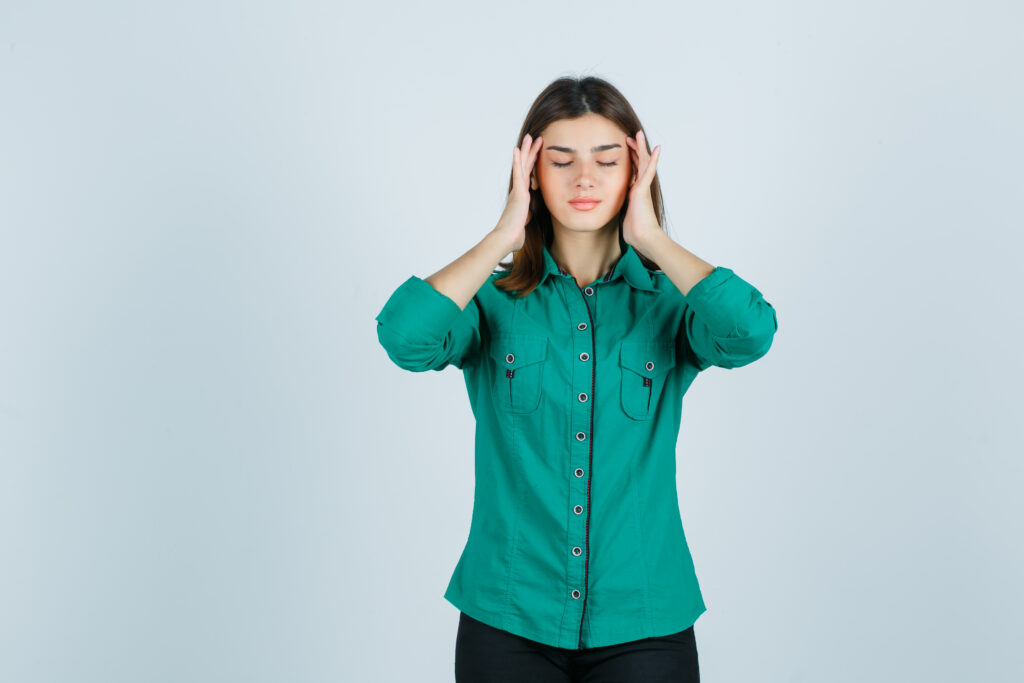
You have been under pressure for weeks. Work deadlines, financial strain, relationship tension, or simply the relentless pace of modern Las Vegas life. Then your chest starts feeling tight. Your stomach is constantly upset. You are getting headaches every other day. You are exhausted despite sleeping eight hours.
If you’re experiencing physical symptoms that may be stress-related, it’s important to know what is considered urgent but not an emergency so you can make the right decision about where to seek care.
You tell yourself it is just stress. And you might be right. But here is the clinical reality that most people miss: stress causes genuine, measurable, documentable physical changes in the body, and some of those physical symptoms are indistinguishable from symptoms caused by conditions that require medical treatment. Assuming everything is stress without ruling out other causes is a clinical risk that providers see go wrong every week.
This guide explains exactly how stress creates physical symptoms, which symptoms are most commonly stress-driven, which ones require clinical evaluation regardless of stress levels, and how to get same-day answers in Las Vegas if your body is telling you something you cannot afford to ignore.
The Physiology: How Stress Physically Changes Your Body
Stress is not an abstract emotional state. It is a coordinated physiological response involving your nervous system, endocrine system, immune system, and cardiovascular system simultaneously. Understanding the mechanism explains why the symptoms are real and why they can be severe.
When your brain perceives a stressor, the hypothalamic-pituitary-adrenal axis activates and triggers the release of cortisol and adrenaline from the adrenal glands. These hormones produce immediate physiological effects designed for acute threat response: heart rate increases, blood pressure rises, digestion slows, immune function is temporarily suppressed, muscles tense, and breathing becomes shallower.
These responses are adaptive in short bursts. When stress is chronic, which describes the experience of most working adults in high-pressure environments, these same physiological changes become sustained. Chronically elevated cortisol, chronically elevated heart rate, chronically suppressed digestion, and chronically tense musculature produce symptoms that are clinically identical to symptoms from specific medical conditions.
Stress can cause chest tightness and palpitations that feel alarming. Learn more about what causes chest pain that comes and goes and when it requires evaluation.
| Physiological Change from Chronic Stress | Resulting Physical Symptom |
|---|---|
| Elevated cortisol suppressing immune function | Frequent illness, slow wound healing |
| Increased heart rate and blood pressure | Chest tightness, palpitations, headache |
| Reduced digestive motility | Nausea, bloating, constipation, IBS symptoms |
| Muscle tension from sustained adrenaline | Neck pain, back pain, jaw pain, tension headache |
| HPA axis dysregulation affecting sleep | Fatigue, cognitive difficulty, mood changes |
| Cortisol-driven inflammation | Skin flares, joint pain, worsening autoimmune symptoms |
| Hyperventilation from shallow breathing | Dizziness, tingling in hands and face, breathlessness |
The Physical Symptoms Stress Most Commonly Causes
The following are the physical symptoms most frequently attributed to stress in clinical practice, along with the mechanism driving each one and the medical condition that must be ruled out before attributing the symptom to stress alone.
Chest tightness and palpitations are among the most alarming stress symptoms because they overlap directly with cardiac presentations. Stress-driven chest symptoms are typically caused by muscle tension in the intercostal and pectoral muscles, esophageal spasm triggered by cortisol, or hyperventilation-induced changes in blood carbon dioxide levels. They are real, physically uncomfortable, and can be severe.
They are also symptoms of cardiac arrhythmia, angina, pulmonary embolism, and other conditions that require immediate evaluation. Chest symptoms should not be attributed to stress without clinical assessment, regardless of your stress level. The clinical rule is simple: chest symptoms get evaluated. Every time.
Our guide on at what point you should go to urgent care explains when chest symptoms and other stress-related complaints need same-day evaluation.
Headaches represent one of the highest-volume stress-related complaints in urgent care. Tension headaches caused by chronic trapezius, neck, and scalp muscle contraction are genuinely stress-driven and respond to stress reduction, physical therapy, and appropriate analgesia. They are also clinically similar in initial presentation to hypertension headaches, medication overuse headaches, and in rare cases to more serious intracranial pathology.
Gastrointestinal symptoms including nausea, bloating, abdominal cramping, diarrhea, and constipation are powerfully influenced by stress through the gut-brain axis, which is the bidirectional communication network between the central nervous system and the enteric nervous system of the gastrointestinal tract. Cortisol directly affects gut motility, gut permeability, and the composition of the gut microbiome. Stress-driven GI symptoms can be as severe as symptoms from structural GI disease and are frequently mismanaged when the stress component is not addressed.
| Stress Symptom | Mechanism | Must Rule Out Before Attributing to Stress |
|---|---|---|
| Chest tightness | Muscle tension, esophageal spasm | Cardiac arrhythmia, angina, PE |
| Palpitations | Adrenaline-driven heart rate elevation | Arrhythmia, thyroid disorder |
| Headache | Muscle tension, blood pressure elevation | Hypertension, medication overuse |
| Nausea and GI upset | Cortisol gut-brain axis disruption | H. pylori, IBD, structural GI disease |
| Fatigue | HPA dysregulation, sleep disruption | Anemia, thyroid, diabetes |
| Dizziness | Hyperventilation, blood pressure changes | Cardiac, vestibular, anemia |
| Skin rashes and flares | Cortisol immune suppression | Autoimmune, contact dermatitis, infection |
| Hair loss | Telogen effluvium from cortisol surge | Thyroid, iron deficiency, alopecia areata |
| Muscle pain | Sustained tension, inflammation | Fibromyalgia, inflammatory arthritis |
| Frequent illness | Immune suppression | Immune deficiency, chronic infection |
When Stress Symptoms Require Same-Day Clinical Evaluation
The clinical mistake that causes harm is not seeking care for symptoms assumed to be stress-related. The following symptom presentations require same-day evaluation regardless of stress level, because the overlap between stress symptoms and serious medical conditions at these presentations is too significant to manage with watchful waiting.
For a detailed breakdown of when to seek care for children experiencing stress-related symptoms, read our guide on urgent care for kids.
| Symptom Pattern | Why It Cannot Wait | Where to Go |
|---|---|---|
| Chest pain or tightness with shortness of breath | Cannot distinguish from cardiac without evaluation | Emergency room |
| Palpitations with lightheadedness or fainting | Arrhythmia cannot be excluded without ECG | Emergency room or urgent care |
| Severe headache described as worst of life | Must rule out intracranial pathology | Emergency room |
| Dizziness with one-sided weakness or speech change | Stroke symptoms require immediate evaluation | Emergency room |
| GI symptoms with blood in stool | Structural pathology must be excluded | Urgent care or emergency room |
| Fatigue so severe normal function is impaired | Anemia, thyroid, or other systemic cause possible | Urgent care, labs ordered |
| Symptoms not improving after stress is reduced | Non-stress cause requires investigation | Urgent care evaluation |
| New symptoms in patient over 45 with cardiac risk factors | Higher pre-test probability of cardiac cause | Urgent care or emergency room |
.
The Las Vegas Stress Factor: Why This City Creates Unique Physical Symptom Patterns
Las Vegas presents a specific stress physiology context that is worth acknowledging explicitly. The city’s workforce includes a disproportionately high percentage of shift workers in hospitality, healthcare, and service industries. Shift work disrupts circadian rhythm, which independently dysregulates the HPA axis and produces cortisol patterns associated with chronic stress physiology even in people who do not subjectively feel stressed.
The hospitality industry’s demand for sustained performance under social pressure, irregular hours, and frequent exposure to second-hand smoke and loud environments creates a physiological stress load that accumulates over months and years and manifests as physical symptoms that patients and sometimes their providers attribute to lifestyle rather than to the genuine physiological burden the work environment imposes.
Additionally, Las Vegas’s heat creates physiological stress on the cardiovascular and thermoregulatory systems that compounds with psychological stress. A hospitality worker experiencing chronic work-related psychological stress in a hot climate with irregular sleep is carrying a physiological burden that will eventually produce symptoms. When it does, those symptoms deserve clinical attention rather than dismissal as occupational hazard.
What Urgent Care Can Do When Stress Symptoms Bring You In
Many patients are uncertain whether stress-related symptoms are an appropriate reason to visit urgent care. They are. Urgent care is the right first stop when you have physical symptoms that need clinical evaluation and you cannot wait weeks for a primary care appointment.
At Sahara West Urgent Care, when a patient presents with symptoms that may be stress-related, our providers take a thorough history, perform a physical examination, and order appropriate laboratory and diagnostic testing to establish whether a medical cause is present or whether the symptom pattern is consistent with stress physiology.
For fatigue and cognitive symptoms, we test for anemia, thyroid dysfunction, vitamin D deficiency, and blood glucose abnormalities. For palpitations and chest symptoms, we perform an ECG and assess cardiovascular risk factors. For GI symptoms, we evaluate through history and examination and refer for additional workup when indicated. For headaches, we assess blood pressure and neurological status.
The result is that you leave with either a diagnosis and treatment plan, or a reasonable clinical confirmation that your symptoms are consistent with stress physiology, with clear guidance on what to monitor and when to return.
That is a fundamentally different outcome than continuing to assume everything is fine. The guiding clinical principle is that stress is a diagnosis of exclusion, particularly when symptoms include hair shedding; after other possible causes have been evaluated, some patients may find The Hairy Pill helpful when researching personalized treatment options.
Walk in to Sahara West Urgent Care on Sahara Avenue today. No appointment required. Monday through Friday 9 AM to 8 PM and Saturday 9 AM to 3 PM. We accept Kaiser Permanente, Tricare, Humana, CareSource, and most major insurance plans. Self-pay starts at $95, waivable with our monthly membership plan. Call (702) 248-0554 or walk in now.
Frequently Asked Questions
Can stress cause chest pain that feels like a heart attack?
Yes. Stress-driven chest pain from muscle tension, esophageal spasm, and hyperventilation can be physically indistinguishable from cardiac chest pain without clinical evaluation. All chest pain should be evaluated clinically regardless of perceived stress level.
Can stress make you physically sick with real illness?
Yes. Chronic cortisol elevation suppresses immune function, increasing susceptibility to viral and bacterial infections. Patients under chronic stress get sick more frequently and recover more slowly than those with well-regulated stress responses.
How long can stress cause physical symptoms before they become a medical problem?
Chronic stress lasting months to years produces measurable changes in blood pressure, immune function, gut microbiome composition, and inflammatory markers. These changes increase long-term risk for cardiovascular disease, autoimmune conditions, and metabolic disorders. Duration matters significantly.
Can stress cause a rash or skin changes?
Yes. Cortisol suppresses the immune regulation that keeps inflammatory skin conditions controlled. Stress commonly triggers or worsens eczema, psoriasis, hives, and acne. New or worsening skin conditions during periods of high stress are well-documented clinical phenomena.
Can stress cause hair loss?
Yes. Telogen effluvium is a form of temporary hair loss triggered by physiological stress including surgery, illness, emotional trauma, and chronic psychological stress. It typically begins two to three months after the stressor and resolves when stress is managed. Thyroid and iron deficiency must be ruled out as concurrent causes.
Can you get dizziness from stress alone?
Yes. Hyperventilation from stress-driven shallow breathing changes blood carbon dioxide levels and produces genuine dizziness, tingling, and lightheadedness. Dizziness with neurological symptoms such as one-sided weakness or speech changes requires emergency evaluation regardless of stress context.
How do I know if my fatigue is from stress or something medical?
Stress fatigue typically correlates with periods of high stress and improves with rest and stress reduction. Fatigue from anemia, thyroid dysfunction, or diabetes does not reliably improve with rest and tends to be progressive. A blood panel at urgent care distinguishes between these causes definitively.
Can urgent care treat stress-related physical symptoms?
Yes. Urgent care is appropriate for evaluation and initial management of physical symptoms potentially related to stress. We can rule out medical causes through examination and laboratory testing, manage acute symptoms, and provide appropriate referrals for ongoing stress management support.