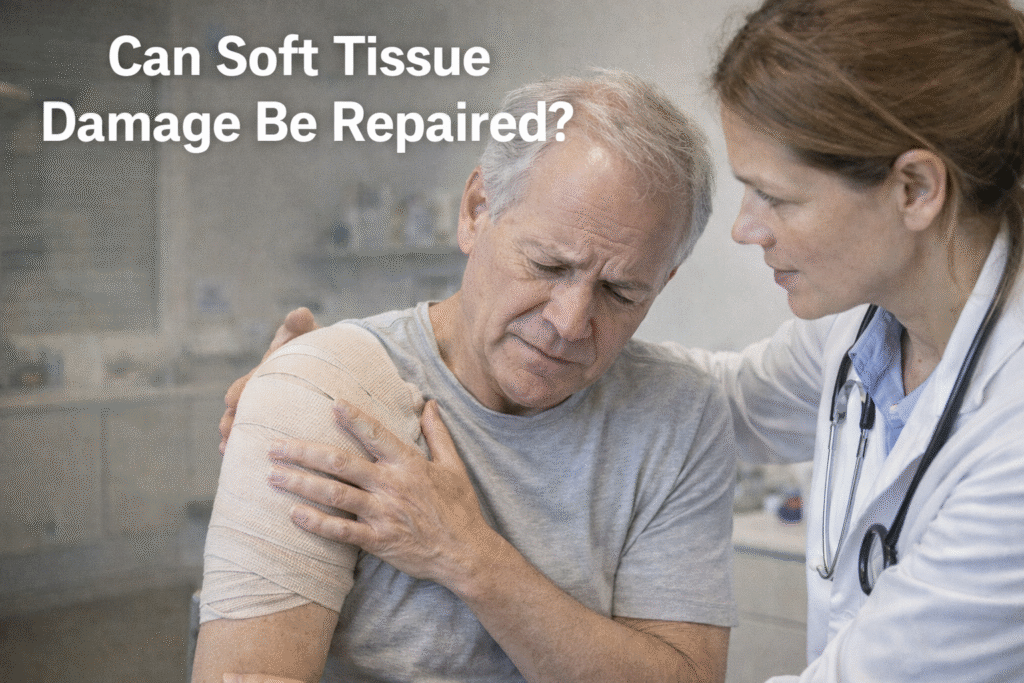
Experiencing a twisted ankle, strained muscle, or torn ligament can disrupt your daily life significantly. Whether you’re an athlete pushing your limits or someone who simply moved the wrong way during routine activities, soft tissue injuries affect millions of people every year. The burning question on everyone’s mind after such an injury is straightforward: can soft tissue damage be repaired?
The encouraging news is that yes, soft tissue damage can indeed be repaired. Your body possesses remarkable regenerative capabilities that work tirelessly to heal damaged muscles, tendons, and ligaments. However, the healing process varies depending on the severity of the injury, the specific tissue involved, and how you approach treatment and recovery.
This comprehensive guide explores everything you need to know about soft tissue repair, from understanding what happens during injury to discovering the most effective treatment strategies for complete recovery.
Understanding Soft Tissue and How It Gets Damaged
Soft tissues encompass all the structures in your body that aren’t bones or organs. These include your muscles, tendons that connect muscles to bones, ligaments that connect bones to other bones, fascia that wraps around muscle groups, and even the skin itself.
These tissues can sustain damage through various mechanisms. Acute injuries occur suddenly, such as when you sprain your ankle playing basketball or pull a muscle lifting something heavy. Overuse injuries develop gradually when repetitive motions strain tissues beyond their capacity to recover, common in occupations requiring repeated movements or sports with repetitive actions.
The damage manifests in different ways. Strains affect muscles or tendons, sprains involve ligaments, and contusions result from direct impact causing bleeding within the tissue. Tears can be partial or complete, with complete ruptures representing the most severe form of soft tissue damage.
The Natural Healing Process of Soft Tissue Damage
When you sustain an injury, your body immediately launches a sophisticated repair process divided into three overlapping phases. Understanding these phases helps you appreciate why soft tissue damage can be repaired and why patience becomes essential.
The inflammatory phase begins immediately after injury and typically lasts three to five days. Blood vessels at the injury site constrict briefly to minimize bleeding, then dilate to flood the area with blood carrying immune cells and growth factors. This explains the warmth, redness, and swelling you experience. While inflammation often feels uncomfortable, it serves as the crucial first step in healing.
The proliferative phase starts around day three and continues for several weeks. During this period, your body produces new collagen fibers to replace damaged tissue. Fibroblasts, specialized cells responsible for collagen production, migrate to the injury site and begin building the foundation for new tissue. Small blood vessels also form to supply nutrients to the healing area.
The remodeling phase can last months or even years. The initially disorganized collagen fibers gradually reorganize and strengthen, aligning themselves along the lines of stress and tension that the tissue normally experiences. This remodeling determines the final strength and functionality of the repaired tissue.
Factors That Influence Soft Tissue Repair
The question “can soft tissue damage be repaired” doesn’t have a one-size-fits-all answer because numerous factors influence healing outcomes. Age plays a significant role, with younger individuals generally experiencing faster healing due to more robust cellular activity and better blood supply.
The severity and location of the injury matter tremendously. Minor strains might heal within weeks, while complete tendon ruptures could require months of recovery. Tissues with rich blood supplies, like muscles, typically heal faster than structures with limited circulation, such as tendons and ligaments.
Your overall health status directly impacts healing capacity. Conditions like diabetes can impair blood flow and slow tissue repair. Smoking restricts blood vessels and reduces oxygen delivery to injured tissues, significantly hampering recovery. Nutritional deficiencies, particularly inadequate protein, vitamin C, or zinc intake, can stall the healing process.
Your approach to treatment and rehabilitation makes an enormous difference. Following proper rest protocols, engaging in appropriate physical therapy, and avoiding premature return to activity all contribute to successful repair outcomes.
Medical Treatments That Facilitate Soft Tissue Repair
Modern medicine offers various interventions to support and enhance the body’s natural ability to repair soft tissue damage. The appropriate treatment depends on the injury’s severity and characteristics.
Conservative treatments form the foundation for most soft tissue injuries. The RICE protocol, standing for Rest, Ice, Compression, and Elevation, has been the gold standard for initial injury management. However, contemporary approaches sometimes favor POLICE (Protection, Optimal Loading, Ice, Compression, Elevation), emphasizing that complete rest isn’t always ideal and that controlled movement can promote better healing.
Physical therapy represents one of the most effective tools for ensuring soft tissue damage can be repaired optimally. Skilled therapists design progressive exercise programs that gradually restore strength, flexibility, and function while protecting healing tissues from excessive stress. Manual therapy techniques, including massage and joint mobilization, improve blood flow and break down scar tissue.
Medications play supportive roles in the healing process. Anti-inflammatory drugs manage pain and reduce excessive swelling, though prolonged use might interfere with the natural inflammatory phase of healing. Doctors sometimes prescribe these judiciously, balancing pain relief against potential healing interference.
Advanced therapeutic modalities show promise in accelerating repair. Platelet-rich plasma (PRP) therapy involves concentrating growth factors from your own blood and injecting them into injured tissue to stimulate healing. Stem cell treatments, though still emerging, offer potential for regenerating damaged structures. Ultrasound therapy and laser treatments may enhance circulation and cellular activity at the injury site.
Surgical Intervention for Severe Soft Tissue Damage
While many people wonder can soft tissue damage be repaired without surgery, some injuries require surgical intervention to achieve optimal outcomes. Complete tendon or ligament ruptures often need surgical reattachment to restore function. Extensive tears that won’t heal properly on their own may require surgical repair to reapproximate torn tissue edges.
Arthroscopic techniques allow surgeons to repair many soft tissue injuries through tiny incisions using specialized cameras and instruments. This minimally invasive approach reduces recovery time and complication risks compared to traditional open surgery.
Following surgical repair, rehabilitation becomes absolutely critical. The surgeon creates the structural foundation for healing, but physical therapy ensures the repaired tissue regains strength and the joint or limb regains full function.
Rehabilitation Strategies for Optimal Soft Tissue Recovery
Effective rehabilitation answers the question can soft tissue damage be repaired by guiding tissues through proper healing while preventing complications like excessive scarring or chronic weakness.
Progressive loading represents the cornerstone of modern rehabilitation. Rather than complete immobilization followed by sudden activity, therapists gradually introduce stress to healing tissues. This controlled loading stimulates proper collagen alignment and strengthens the repair without causing re-injury.
Range of motion exercises begin early in the healing process, gently moving joints through their natural movements to prevent stiffness and maintain flexibility. As healing progresses, strengthening exercises restore muscle power and endurance. Proprioceptive training, which involves balance and coordination exercises, helps retrain the nervous system to control the injured area properly.
Sport-specific or occupation-specific training comes in the final rehabilitation phases, gradually reintroducing the movements and demands your activities require. This progressive approach minimizes re-injury risk when you return to full activity.
Timeline for Soft Tissue Damage Repair
Understanding realistic healing timelines helps set appropriate expectations. Minor strains and sprains typically show significant improvement within two to three weeks, with full recovery in four to six weeks. Moderate injuries involving partial tears might require six to twelve weeks for adequate healing.
Severe injuries, especially complete ruptures or injuries requiring surgery in Las Vegas, often need three to six months or longer for full recovery. Tendons and ligaments, with their limited blood supply, generally require longer healing periods than muscle injuries.
These timelines represent averages. Individual healing rates vary based on the factors discussed earlier, including age, health status, injury severity, and adherence to rehabilitation protocols.
Preventing Re-injury and Promoting Long-Term Tissue Health
Even after soft tissue damage can be repaired successfully, preventing future injuries becomes paramount. Proper warm-up routines before physical activity prepare tissues for demands by increasing blood flow and tissue temperature. Cooling down afterward helps remove metabolic waste products and begins recovery.
Maintaining appropriate strength and flexibility through regular conditioning protects tissues from injury. Weak muscles can’t adequately support joints, increasing ligament and tendon stress. Tight muscles are more prone to strains during sudden movements.
Using proper technique during sports and work activities distributes forces appropriately across tissues rather than concentrating stress on vulnerable structures. Ergonomic adjustments in workspaces and appropriate athletic form significantly reduce injury risk.
Allowing adequate recovery between intense activities gives tissues time to repair micro-damage before it accumulates into significant injury. Rest days aren’t signs of weakness but essential components of any training or work program.
Nutrition’s Role in Soft Tissue Repair
Your diet directly impacts how effectively soft tissue damage can be repaired. Protein provides the building blocks for new collagen and tissue formation. Aim for adequate protein intake from sources like lean meats, fish, eggs, legumes, and dairy products.
Vitamin C serves as an essential cofactor in collagen synthesis. Without sufficient vitamin C, your body cannot produce strong, functional collagen fibers. Citrus fruits, berries, peppers, and leafy greens provide abundant vitamin C.
Zinc supports immune function and protein synthesis during healing. Omega-3 fatty acids from fish, flaxseeds, and walnuts help modulate inflammation, supporting the healing process without suppressing the necessary inflammatory phase.
Adequate hydration maintains blood volume and nutrient delivery to healing tissues. Dehydration impairs virtually every aspect of healing, so consistent fluid intake throughout the day supports optimal recovery.
When to Seek Professional Medical Evaluation
While minor soft tissue injuries often heal with home care, certain situations warrant professional evaluation. Severe pain that doesn’t improve with rest and basic measures suggests more significant damage requiring assessment.
Inability to bear weight or use the injured area normally indicates potentially serious injury. Significant swelling, especially if accompanied by numbness, tingling, or color changes, might suggest complications requiring immediate attention.
Injuries that don’t show improvement within a week or two of appropriate home treatment deserve professional evaluation to ensure proper diagnosis and treatment. Sometimes what appears to be a simple strain actually involves more significant structural damage.
Alternative and Complementary Approaches to Healing
Beyond conventional medical treatments, various complementary approaches may support soft tissue repair. Acupuncture shows evidence for pain management and may promote circulation to injured areas. Massage therapy, when appropriately timed and applied, can reduce muscle tension, improve circulation, and break down adhesions in healing tissue.
Contrast therapy, alternating cold and heat applications, may enhance circulation once initial inflammation subsides. Heat therapy alone, applied several days after injury, increases blood flow and tissue flexibility, preparing tissues for rehabilitation exercises.
These complementary approaches work best when integrated with conventional treatment rather than replacing evidence-based interventions. Always inform your healthcare providers about any complementary treatments you’re using.
Conclusion
The question can soft tissue damage be repaired has a resoundingly positive answer. Your body possesses remarkable healing capabilities that, when properly supported, can restore damaged muscles, tendons, and ligaments to full or near-full function. Success requires understanding the healing process, following appropriate treatment protocols, committing to rehabilitation, and giving your body adequate time to complete the repair process.
Whether you’re dealing with a minor strain or recovering from surgical repair of a complete rupture, the principles remain consistent: respect the healing timeline, progress gradually, address factors within your control like nutrition and rest, and work with healthcare professionals when needed.
Don’t let a soft tissue injury sideline you permanently. Take action today by consulting with a healthcare provider or physical therapist to develop a personalized recovery plan. Your path to full recovery and return to the activities you love begins with that first step toward proper treatment and rehabilitation. To schedule your appointment with the highest standard of care, visit Sahara West Urgent Care on our website, where you can also explore more informative blogs .
Frequently Asked Questions
How long does it take for soft tissue damage to fully repair?
Healing timelines vary significantly based on injury severity. Minor strains typically heal within two to six weeks, while moderate injuries require six to twelve weeks. Severe injuries or those requiring surgery may need three to six months or longer for complete recovery.
Can old soft tissue damage be repaired?
Yes, chronic soft tissue injuries can often be addressed, though healing may be slower than with acute injuries. Treatment approaches might differ, often involving physical therapy to break down scar tissue, strengthen surrounding structures, and gradually restore function.
Does soft tissue damage show on an X-ray?
No, standard X-rays only show bones and cannot visualize soft tissues like muscles, tendons, or ligaments. MRI and ultrasound are the imaging modalities used to evaluate soft tissue damage, providing detailed views of these structures.
What helps soft tissue damage heal faster?
Several factors accelerate healing: adequate protein and nutrient intake, proper hydration, avoiding smoking and excessive alcohol, following prescribed rehabilitation exercises, getting sufficient sleep, and managing underlying health conditions that might impair healing.
Can you exercise with soft tissue damage?
It depends on the severity and location. Complete rest might be necessary initially, but controlled movement and exercise typically begin early in the healing process under professional guidance. Appropriate exercise promotes proper healing, while excessive activity can worsen damage.
Is heat or ice better for soft tissue damage repair?
Ice is generally best in the first 48-72 hours to control inflammation and pain. After this initial period, heat can improve blood flow and flexibility. Some people benefit from contrast therapy, alternating between cold and heat applications.