

Can an A1C test detect prediabetes early?

Yes, an A1C test can effectively detect prediabetes early before symptoms appear, measuring your average blood sugar levels over the past two to three months to catch metabolic shifts long before full-blown type 2 diabetes develops. While prediabetes rarely causes noticeable physical warnings in its initial stages, identifying these elevated glycemic markers early gives patients […]
What Can Be Mistaken for Herpes?

Herpes symptoms, particularly the presence of bumps, sores, or irritation in the genital or oral areas, are frequently misidentified. Because early symptoms of herpes often mimic other common skin irritations, infections, and dermatological conditions, it is easy for individuals to reach an incorrect conclusion without a professional evaluation. At Sahara West Urgent Care, our providers […]
What Are the Four Warning Signs of a Damaged Liver?
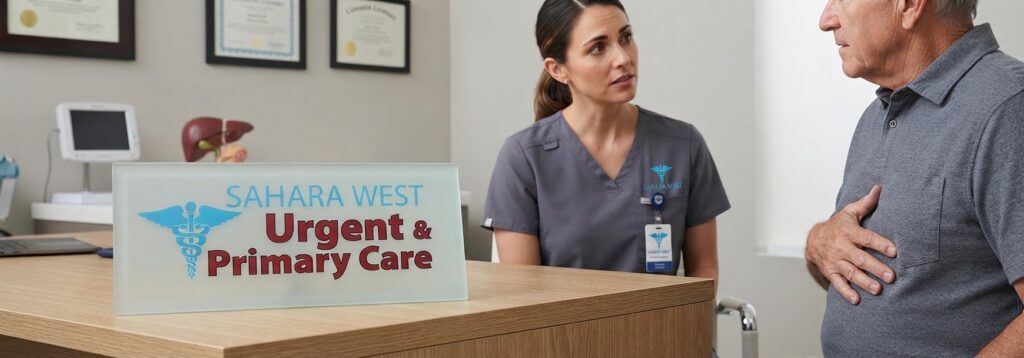
The four warning signs of a damaged liver that appear most consistently across clinical evaluations are jaundice (yellow skin or eyes), right upper abdominal pain or swelling, persistent fatigue accompanied by nausea or poor appetite, and dark tea-colored urine with pale, clay-colored stools. Because hepatic conditions often progress quietly, understanding these clinical patterns is vital. […]
Why Are Allergies Worse in Las Vegas? Common Desert Allergens Explained

If you moved to the Las Vegas valley thinking a desert climate would mean an end to your sneezing, watery eyes, and congestion, you’re not alone and you’re not imagining things. Allergies in Las Vegas are frequently worse, not better, than in more humid parts of the country. The dry air here does not wash […]
What happens if an athlete has chest pain or dizziness?
When an athlete experiences chest pain or dizziness during exercise, they must stop activity immediately, as these symptoms can signal critical underlying cardiac or neurological strain. While many exertional discomforts stem from benign causes like mild dehydration or muscle fatigue, ignoring warning signs during physical exertion can lead to severe health emergencies. Knowing how medical […]
Does a sports physical check for family heart issues?
Yes, a standard sports physical includes a medical history questionnaire that specifically asks about family heart issues. While routine pre-participation exams are designed to clear student-athletes for school or club competition, evaluating hereditary cardiac risks is critical to preventing sudden cardiac events on the field. Knowing how medical providers screen for familial conditions helps athletes […]
Can an athlete be cleared after recovering from an injury?
Yes, an athlete can be cleared to return to play after recovering from an injury once they pass specific medical, functional, and physical tests. While overcoming an injury requires patience, returning to competitive sports too early without formal clinical documentation or structured re-evaluation significantly increases the risk of re-injury. Knowing what medical providers look for […]
Can a previous concussion affect sports physical clearance?
Yes, a previous concussion can affect sports physical clearance if the athlete still shows residual symptoms or has not completed a medically supervised, step-by-step return-to-play protocol. While healed head injuries rarely block athletic participation permanently, lingering cognitive, balance, or neurological sensitivities can pose severe risks if an athlete experiences a second impact too soon. Knowing […]
High blood pressure found during a sports physical?
Finding high blood pressure during a sports physical is common, with studies showing up to one-third of fit athletes can present with elevated readings. While physical conditioning usually supports cardiovascular health, an unexpected blood pressure spike in the clinic can halt clearance for school, club, or competitive sports participation. Knowing why this happens and what […]