

UTI Symptoms in Women: How Long to Wait Before Seeing a Doctor
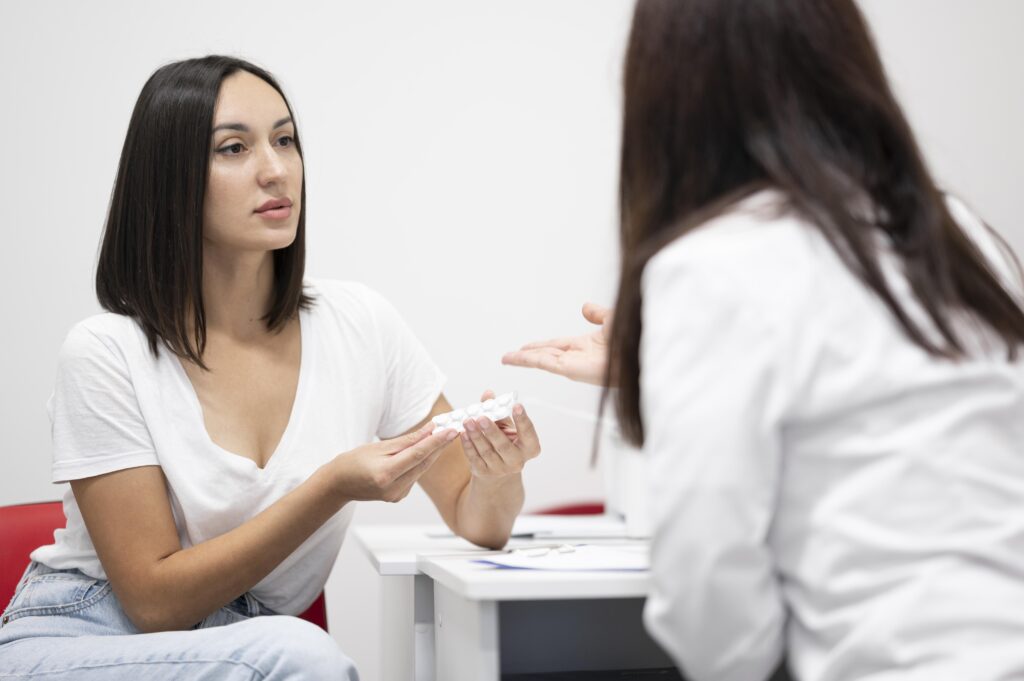
You felt it this morning , that unmistakable burning sensation when you use the bathroom. Now you are constantly running to the toilet, your lower abdomen is tender, and every trip to the bathroom feels like a punishment. You are almost certain it is a urinary tract infection. But do you really need to see […]
Urgent Care vs Telehealth. Which Is Better for Immediate Care?
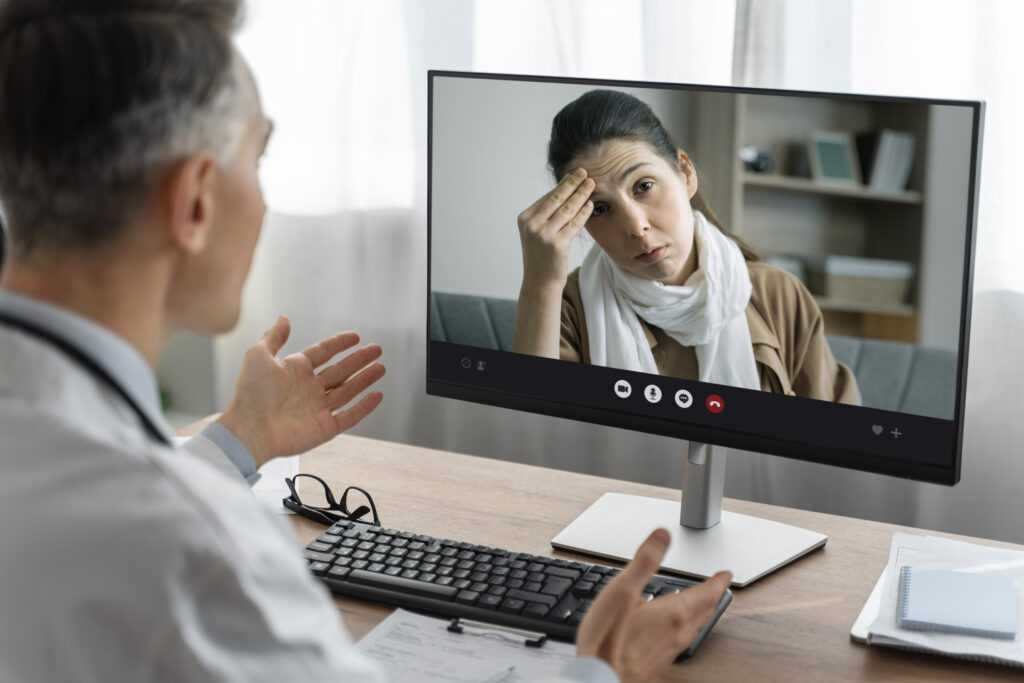
While you are ill, you may need immediate help fast. You might not know where to visit. Two common choices are urgent care and telehealth. Both give quick care. Both may assist you feel good. However they are not working in the same way. This blog will help you choose the right one. Understand Urgent […]
ER vs Urgent Care for Chest Pain. What’s Safe?
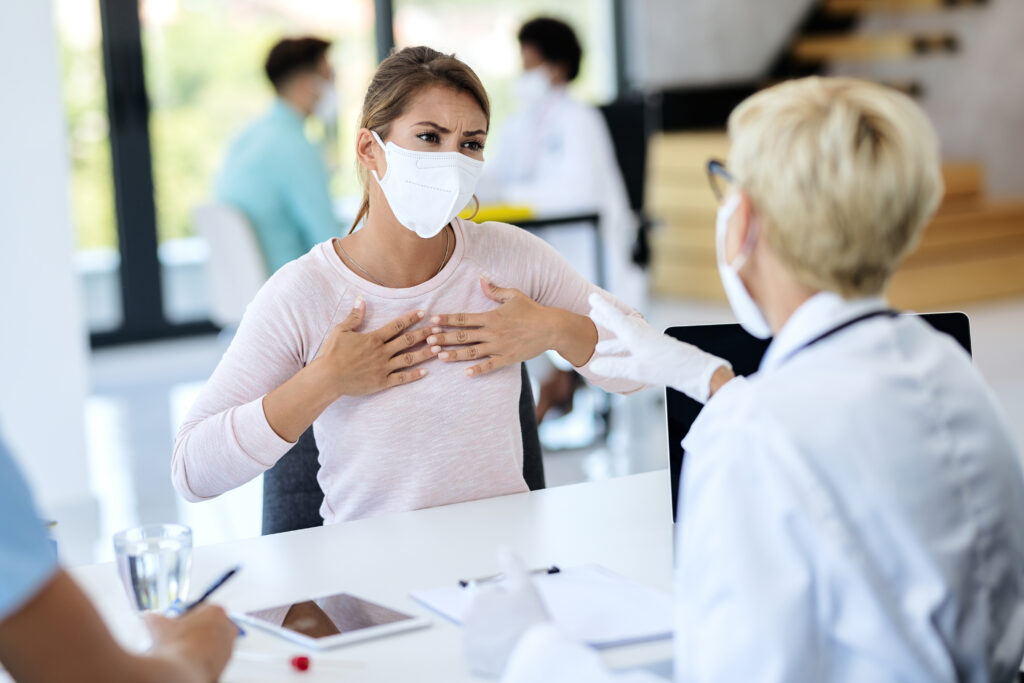
Chest pain can feel scary. It can be mild or severe. It can come and go. Or it can stay and get worse. Many people ask a simple question. Should I go to the ER? Or can I go to urgent care? This blog will help you decide. What Is Chest Pain? Chest pain is […]
Why Do Dentists Ask If You Have Herpes?

Dentists ask about herpes—specifically active cold sores (HSV-1)—primarily because of the high risk of viral transmission and patient safety. An active herpes lesion is highly contagious, and the nature of dental work involves saliva, aerosols, and the stretching of oral tissues. If a procedure moves forward during an outbreak, it can lead to “autoinoculation,” where […]
Do Herpes Pop Like Pimples?
No, herpes blisters do not “pop” in the same way that pimples or whiteheads do. While both can appear as small red bumps, a pimple is typically a single, firm bump filled with thick white pus (sebum and bacteria) that can be squeezed. In contrast, herpes lesions are clusters of tiny, fluid-filled vesicles containing a […]
What Triggers Herpes Outbreaks?
A herpes outbreak occurs when the herpes simplex virus (HSV-1 or HSV-2) reactivates and travels along nerve pathways to the surface of the skin. After the initial infection, the virus remains dormant in your nerve cells; it “wakes up” when the body’s immune defenses are temporarily lowered or when the nerve endings are irritated. While […]
Can Your Body Eventually Get Rid of Herpes?
No, the human body cannot naturally eliminate the herpes simplex virus (HSV-1 or HSV-2). Once the virus enters your system, it travels to the sensory nerve ganglia, where it remains in a dormant (latent) state for life. While your immune system—specifically T-cells and interferons—works tirelessly to suppress the virus and prevent it from active replication, […]
How Do You 100% Know You Have Herpes?
The only way to 100% confirm a herpes (HSV) diagnosis is through clinical medical testing, as symptoms can often mimic other skin conditions. The most definitive method is a PCR (Polymerase Chain Reaction) swab test, which identifies the virus’s genetic material from an active lesion or sore. Because herpes can remain dormant or present with […]
What Are the 7 Warning Signs of Herpes?
The 7 warning signs of a herpes simplex virus (HSV) outbreak include local tingling or burning sensations, painful fluid-filled blisters, open sores or ulcers, intense itching, painful urination, swollen lymph nodes in the groin, and systemic flu-like symptoms (such as fever and body aches). These initial red flags often serve as an early prodromal warning […]
Is it True That 90% of People Have Herpes?
While the figure of 90% is often cited, it is more accurate to say that a vast majority of the global population carries at least one form of the herpes simplex virus. According to the World Health Organization (WHO), approximately 67% of people under age 50 worldwide have HSV-1 (oral herpes), while roughly 13% of […]