

Can You Discuss Multiple Health Issues in One Visit?
Yes, you can discuss multiple health issues during a single appointment, but for your safety and medical accuracy, we prioritize these concerns based on their urgency and clinical complexity. While we strive to address as much as possible, our providers must balance efficiency with the need for a thorough evaluation. We often group related symptoms […]
Do Primary Care Doctors Perform Physical Exams?
Yes, physical exams are a fundamental service provided by primary care physicians (PCPs). These exams are not only performed during “sick” visits but are a core component of annual wellness checkups and preventative health screenings. A physical exam allows a provider to gather objective data about your body, establish a “healthy” baseline for your vitals, […]
Sick in Las Vegas? A Tourist Guide to Urgent Care & Medical Help
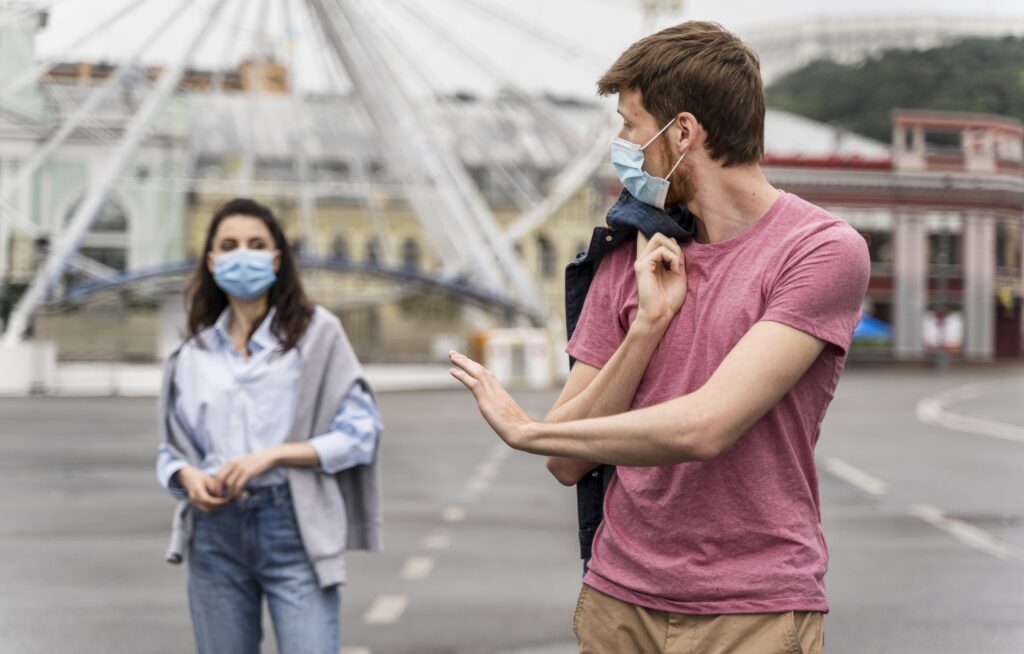
Imagine this: you’re walking along the Las Vegas Strip, surrounded by bright lights, world-class entertainment, and nonstop energy, when suddenly you start feeling sick. Maybe it’s dizziness from the heat, nausea from something you ate, or extreme fatigue after a long flight. Getting sick while traveling is never planned and in a city like Las […]
What Should You Bring to a Primary Care Appointment?
Yes, arriving prepared for your appointment is essential for a productive visit. By bringing the right documentation, you allow your healthcare provider to focus on your immediate concerns rather than spending valuable time collecting administrative details or hunting for historical medical data. A well-prepared patient ensures that every minute of the appointment is dedicated to […]
How Long Does a Primary Care Appointment Usually Take?
Yes, the length of a primary care appointment typically ranges from 15 to 60 minutes, depending on the complexity of your health needs. A standard, focused visit for a specific acute issue usually takes 15–20 minutes, while comprehensive wellness exams or new patient evaluations require more time to allow for a thorough review of your […]
What Happens During Your First Primary Care Visit?
Your first primary care visit is the foundational step in managing your long-term health. It focuses on establishing your medical “baseline”—a complete picture of your health status, family history, and personal wellness goals. By consolidating your medical records and identifying potential risk factors early, this initial appointment ensures that future care is proactive rather than […]
Why Is Primary Care Important for Long-Term Health?
Primary care is the cornerstone of long-term health because it shifts the focus from reactive “sick care” to proactive, continuous wellness management. Rather than only interacting with the healthcare system when an emergency occurs, having a primary care provider (PCP) allows you to establish a health baseline, track trends over time, and manage potential health […]
Can a Primary Care Doctor Diagnose Most Health Problems?
Yes, a primary care physician (PCP) is trained and equipped to diagnose and treat the vast majority of common health problems. Serving as your first point of contact, they assess your health holistically—considering your medical history, lifestyle, and family background—rather than just focusing on isolated symptoms. Because they manage everything from acute illnesses to long-term […]
What’s the Difference Between a Primary Care Doctor and a Specialist?
The primary difference between a primary care physician (PCP) and a specialist lies in their scope of practice: a PCP provides comprehensive, long-term care for your overall health, while a specialist focuses on a specific organ system, disease, or medical condition. Think of your PCP as your “medical home”—the first point of contact for daily […]
Do You Need a Primary Care Doctor If You Feel Healthy?
Yes, you should absolutely have a primary care doctor (PCP) even if you currently feel healthy. Many chronic health conditions, such as hypertension, elevated cholesterol, or early-stage diabetes, are often “silent”—they do not present noticeable symptoms until they have progressed to a more serious stage. However, waiting until you feel sick to establish a relationship […]