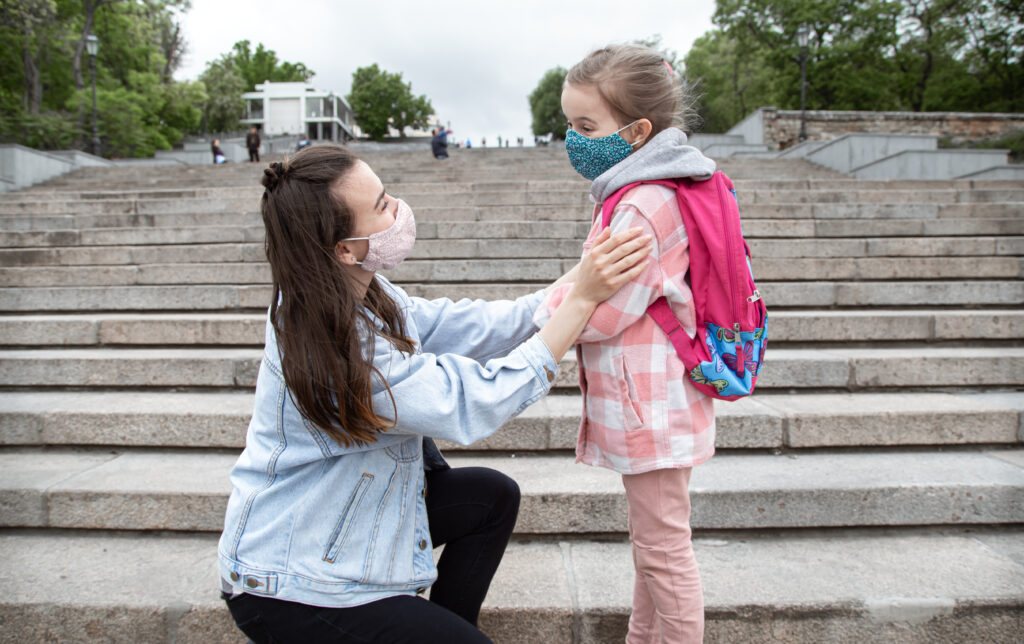
The first week of school is barely over and your child comes home with a sore throat, a runny nose, or a stomach ache. You are not imagining the pattern. Back-to-school season is one of the most predictable illness surge periods in pediatric urgent care, and Las Vegas parents face it every year without always knowing which symptoms warrant a same-day visit and which can be monitored at home.
This guide gives you exactly what you need to navigate back-to-school illness season with confidence. You will learn which illnesses spread fastest in school environments, how to distinguish the conditions that require clinical treatment from those that resolve on their own, the specific red flags that mean your child needs to be seen today, and where Las Vegas families can get fast, walk-in pediatric care without the emergency room wait or the two-week appointment queue.
If your child is showing symptoms and you’re unsure whether to seek care, review our guide on when to take a child to urgent care for fever and illness symptoms.
Why Back-to-School Season Triggers an Illness Surge Every Year
The biology behind the back-to-school illness surge is straightforward. Schools concentrate hundreds of children in shared spaces for six to eight hours daily, creating optimal conditions for respiratory and gastrointestinal pathogen transmission. Children who spent summer months in smaller social groups are suddenly exposed to a dramatically expanded pathogen pool.
Las Vegas adds specific amplifying factors. Clark County’s school enrollment exceeds 300,000 students across the district, creating high-density exposure environments. The transition from extreme summer heat to air-conditioned classrooms creates rapid temperature shifts that affect mucosal membrane function and respiratory susceptibility. The beginning of Nevada’s dry season reduces ambient humidity, which dries nasal membranes and reduces their capacity to trap and expel inhaled pathogens.
| Back-to-School Illness Driver | Why It Matters in Las Vegas |
|---|---|
| High-density classroom exposure | 300,000 plus CCSD students creating large transmission networks |
| Expanded pathogen pool after summer | Children encounter new virus strains from peers |
| Dry desert climate reducing mucosal defense | Lower humidity impairs nasal filtration function |
| Temperature shift from heat to air conditioning | Rapid thermal changes stress respiratory immunity |
| Shared surfaces and poor hand hygiene | Doorknobs, tablets, and lunch tables as fomite vectors |
| Sports and extracurricular contact | Close physical contact in fall sports spreads skin and respiratory illness |
The Seven Back-to-School Illnesses Parents Need to Know
Streptococcal Pharyngitis (Strep Throat)
Strep throat is the highest-priority back-to-school illness for parents to recognize because it requires antibiotic treatment and does not resolve on its own. Left untreated, strep carries real risk of serious complications including rheumatic fever and post-streptococcal glomerulonephritis.
The distinguishing features of strep versus viral sore throat are clinically important. Strep typically presents with severe throat pain, fever above 101 degrees Fahrenheit, swollen and tender lymph nodes in the front of the neck, and notably, absence of cough. Viral pharyngitis associated with a cold typically includes runny nose, cough, and mild to moderate throat discomfort.
The clinical rule for parents: sore throat plus fever plus no cough equals rapid strep test today. A rapid strep test at urgent care takes just minutes and provides a definitive answer. Learn more about when to take a child to urgent care for fever and sore throat symptoms. A rapid strep test at urgent care takes five minutes and provides a definitive answer. Positive results receive antibiotic treatment that begins reducing fever and throat pain within 24 hours.
A child with confirmed strep should stay home until they have been on antibiotics for at least 24 hours and are fever-free.
Influenza
Influenza arrives in Las Vegas school populations reliably in late September through November and continues through winter. Unlike the gradual onset of a cold, flu hits suddenly. A child who seemed fine at breakfast can be shaking with chills, a temperature above 102 degrees, profound fatigue, and severe body aches by noon.
Rapid influenza testing at urgent care confirms the diagnosis in 15 minutes. If your child tests positive within the first 48 hours of symptom onset, antiviral medication significantly reduces illness duration and severity. After 48 hours, antivirals are less effective but supportive care remains important.
| Symptom | Common Cold | Influenza |
|---|---|---|
| Onset | Gradual over 1 to 2 days | Sudden, within hours |
| Fever | Rare or low-grade | Common, often 102 to 104°F |
| Body aches | Mild | Severe, often described as debilitating |
| Fatigue | Mild | Severe, can last 1 to 2 weeks |
| Headache | Uncommon | Common |
| Runny nose | Common | Sometimes |
| Cough | Common | Common, can be severe |
Hand, Foot, and Mouth Disease
Hand, foot, and mouth disease is a highly contagious viral illness caused by coxsackievirus that spreads rapidly through elementary school populations. It presents with fever, painful mouth sores that reduce appetite and hydration, and a characteristic rash of small blisters on the palms and soles.
Most cases resolve within seven to ten days without specific treatment. The primary clinical concern is dehydration from reduced oral intake due to mouth pain. Children who cannot maintain adequate fluid intake, who are producing no tears when crying, or who have not urinated in eight or more hours need same-day evaluation.
If your child is showing signs of dehydration from reduced fluid intake, our guide on signs of dehydration in children can help you recognize when to seek care.
There is no antiviral treatment for hand, foot, and mouth disease. The urgent care visit for this condition is about assessing hydration status, managing pain, and ensuring parents have clear guidance on when to escalate care.
Pinkeye (Conjunctivitis)
Conjunctivitis spreads through school populations with remarkable efficiency. Bacterial conjunctivitis, which requires antibiotic eye drops, produces thick yellow or green discharge, crusting of the eyelids especially after sleep, and significant eye redness. Viral conjunctivitis produces watery discharge and typically follows or accompanies a respiratory illness.
The distinction matters because bacterial conjunctivitis requires prescription antibiotic drops, while viral conjunctivitis is managed with supportive care. A provider can distinguish between them during a brief examination.
Most schools require children with conjunctivitis to be evaluated by a healthcare provider before returning to class. A walk-in urgent care visit provides the evaluation, prescription if indicated, and the documentation schools require.
Head Lice
Head lice are not a medical emergency and are not associated with illness, but they spread rapidly in school populations through head-to-head contact and shared items. Parents who notice a child scratching their scalp persistently should examine the scalp and hair close to the roots for small oval eggs, called nits, attached to hair shafts.
Over-the-counter permethrin-based treatments are effective for most cases. Urgent care is appropriate when over-the-counter treatment has failed, when the infestation is severe, or when prescription-strength treatment is needed.
Stomach Virus (Viral Gastroenteritis)
Norovirus and other gastrointestinal viruses circulate through school populations every fall. Vomiting and diarrhea onset is typically sudden, lasts 24 to 72 hours, and resolves without specific treatment in otherwise healthy children.
The clinical concern is dehydration. Children under two years, children who cannot keep any fluids down for more than four to six hours, and children showing signs of significant dehydration including dry mouth, no tears, sunken eyes, or no urination in eight hours require same-day evaluation.
RSV and Bronchiolitis
Respiratory syncytial virus causes mild cold-like illness in older children and adults but can cause significant lower respiratory illness in children under two, particularly infants. Signs of respiratory distress in young children including rapid breathing, nostril flaring, visible pulling of the skin between the ribs with each breath, or persistent low oxygen saturation require immediate evaluation.For pediatric respiratory symptoms, urgent care in Summerlin offers same-day evaluation with on-site breathing treatments and oxygen saturation monitoring.
When to Keep Your Child Home vs When to Go to Urgent Care
| Symptom | Keep Home and Monitor | Go to Urgent Care Today |
|---|---|---|
| Mild cold symptoms, no fever | Yes, monitor | Not required unless worsening |
| Fever under 100.4°F | Monitor | Not required unless other symptoms |
| Fever above 101°F lasting more than 2 days | Yes | Urgent care same day |
| Sore throat plus fever plus no cough | Yes | Urgent care same day for strep test |
| Vomiting once or twice, drinking fluids | Monitor | Not required unless signs of dehydration |
| Cannot keep fluids down for 4 to 6 hours | Yes | Urgent care same day |
| Pinkeye with thick discharge | Yes, keep home | Urgent care for prescription |
| Rash with fever | Yes | Urgent care same day |
| Ear pain following a cold | Monitor | Urgent care within 24 hours |
| Difficulty breathing or fast breathing | Yes | Emergency room immediately |
| Infant under 3 months with any fever | Yes | Emergency room immediately |
The Back-to-School Illness Prevention Checklist for Las Vegas Parents
Prevention reduces but does not eliminate illness exposure in school-age children. The following measures provide the most evidence-based protection against the highest-volume back-to-school illnesses.
Ensure influenza vaccination is completed before the school year begins. The CDC recommends annual flu vaccination for all children six months and older. The flu vaccine reduces influenza infection risk by 40 to 60 percent in seasons where vaccine strains match circulating viruses.
Reinforce handwashing technique and frequency. Proper handwashing with soap and water for at least 20 seconds before meals, after using the bathroom, and after blowing the nose or coughing is the highest-impact individual prevention measure for respiratory and gastrointestinal illness.
Ensure your child is up to date on all required vaccinations including MMR, varicella, and Tdap. Clark County School District requires documentation of current immunization status for enrollment.
Teach children not to share water bottles, utensils, or lip balm, which are common transmission vectors for both respiratory and gastrointestinal viruses.
Establish a clear household rule about staying home when symptomatic. Children who attend school with active fever, vomiting, or significant illness extend transmission chains that affect other families.
Frequently Asked Questions
How soon after school starts do back-to-school illnesses peak?
In most years, the first significant illness surge occurs two to three weeks after school begins as pathogen exposure accumulates and immune responses are challenged by new strains. A second surge typically coincides with the onset of official flu season in October and November.
Should I take my child to urgent care or their pediatrician for back-to-school illness?
For acute illness requiring same-day evaluation, urgent care is appropriate when your pediatrician cannot see your child the same day. Urgent care provides rapid testing, diagnosis, and treatment for the most common back-to-school illnesses during a single walk-in visit.
How long should I keep my child home after they start antibiotics for strep?
The standard guidance is that children with strep throat should remain home until they have been on antibiotics for at least 24 hours and are fever-free without fever-reducing medication.
Is it normal for kids to get sick multiple times in the first month of school?
Yes. Multiple illness episodes in the first four to six weeks of school are common, particularly for children entering new school environments or moving to a new grade level with a different peer group. Each illness exposure builds immune memory that reduces susceptibility over time.
Can adults catch back-to-school illnesses from their children?
Yes. Parents and household members are at meaningful risk of contracting strep throat, influenza, hand foot and mouth disease, and stomach viruses from school-age children. Adults with symptoms should also seek evaluation rather than assuming their illness is minor.