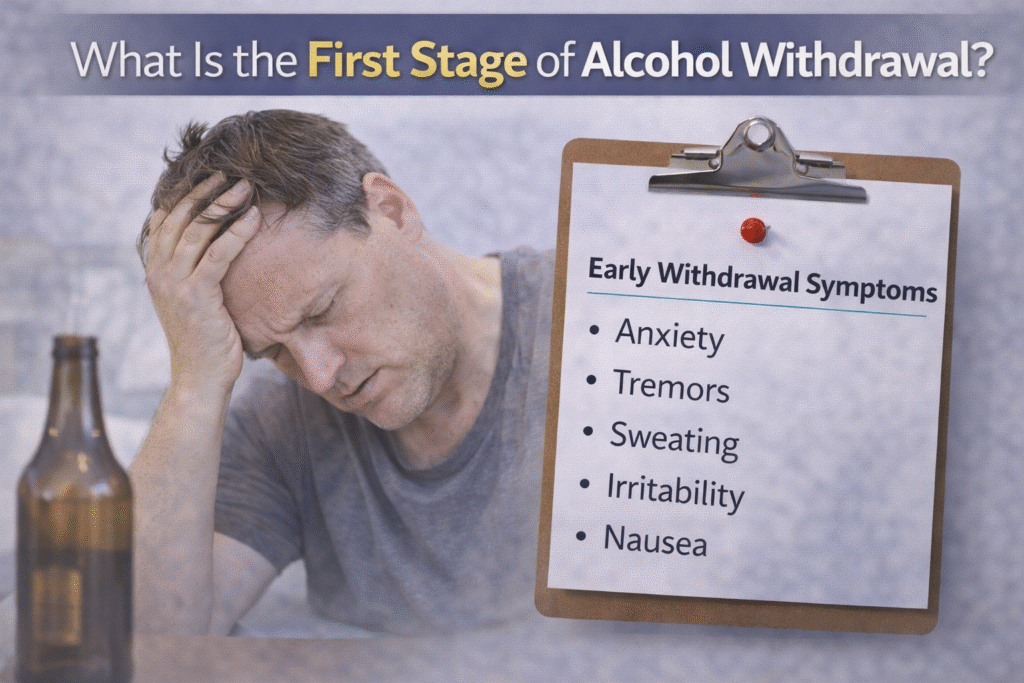
Mild withdrawal from alcohol is the initial stage of withdrawal from alcohol and occurs no later than 6 to 12 hours after your last drink. Start of withdrawal includes initial physical changes in the body that demonstrate that an abstaining individual is no longer able to consume alcohol. Typical withdrawal symptoms and signs include anxiety, nausea, sweating, insomnia, and tremors. Although these withdrawal symptoms are initially not life-threatening by themselves, if a person continues to consume alcohol, their symptoms will continue to worsen each time they attempt to abstain from alcohol.
What Is Alcohol Withdrawal and Why Does It Occur?
When someone has been abusing alcohol and either stops suddenly or reduces their regular consumption significantly, this is referred to as alcohol withdrawal. The use of alcohol on a regular basis alters the way that your brain and body operate over time.
Alcohol is classified as a depressant because it reduces the speed at which your brain works; therefore, when a person drinks on a frequent basis, their brain compensates by increasing the activity of the brain in an effort to maintain balance. When alcohol is taken away from the individual, however, the brain will still be functioning at a rate that is above normal, thus causing withdrawal symptoms.
The first phase of alcohol withdrawal will occur at the time that the body begins to react to this imbalance.
Understanding the First Stage of Alcohol Withdrawal
The Early Withdrawal Phase is the initial stage of alcohol withdrawal from when the body starts adjusting to living without the alcohol.
When Does the First Stage Begin?
The first phase usually begins 6 to 12 hours after the last drink. The onset of symptoms may be sooner for those who are heavy drinkers or have drank for long periods of time.
How Long Does It Last?
The duration of this phase usually varies between 6-24 hours but could last longer, depending on your level of alcoholism.
Symptoms of the First Stage of Alcohol Withdrawal
The withdrawal symptoms in this phase may be tolerable; however, the progression of withdrawal will be determined by this early phase of symptoms.
Common Early Symptoms
The most commonly experienced symptoms of withdrawal include:
- Nervousness/anxiety
- Moodiness/irritability
- Headaches
- Nausea/vomiting
- Not eating
- Sweating
- Difficulty sleeping/insomnia
- Mild to moderate shaking
- Heart palpitations
Other possible withdrawal symptoms include:
- Not being able to focus/stay on task
- Restlessness
- Mild confusion
Enjoying substance use typically results in the absence of withdrawal symptoms, but if someone begins to develop these additional symptoms, they have likely entered the early stages of withdrawal.
Alcohol Withdrawal Timeline
Creating a timeline shows how everything that happens at this point fit together.
Stage 1: Mild Withdrawal (6 to 12 Hours)
Alcohol withdrawal can begin with anxiety, nausea, excessive sweating, headache and shaking as well as trouble sleeping.
Stage 2: Moderate Withdrawal (24 to 72 Hours)
During this time, the above mentioned symptoms can deteriorate into the same symptoms but a lot more severe and on top of the same symptoms you can have a rapid pulse, high blood pressure, confusion, irritability and sweating.
Stage 3: Severe Withdrawal (48 to 72 Hours and Beyond)
Also, once alcohol withdrawal starts, symptoms could also include seizures, hallucinations, delusional mental confusion, and delirium tremens (a potentially fatal condition).
Why the First Stage Happens
The first phase of alcohol withdrawal occurs due to brain adaption to alcohol consumption.
Because alcohol depresses the activity of the central nervous system, your brain has to make up for it by speeding things up. When you suddenly stop drinking, your brain continues to run at an increased rate, and this can lead to a state of overstimulation.
As a result of over stimulation, symptoms will appear in the form of anxiety, tremors, excessive sweating, and trouble sleeping. The body is basically on a mission to try to establish homeostasis.
Factors That Influence the First Stage
How severe and how long this first phase lasts will vary for each person based on several different variables.
The duration of an individual’s use of alcohol has a significant effect on how strong of a withdrawal they may be experiencing.
The amount of alcohol someone consumes regularly also plays a role in the intensity of withdrawal.
If you’ve had withdrawal symptoms before, they may be more intense when you experience another withdrawal. The older and healthier an individual is will determine how quickly the body can recover from their previous withdrawal.
Those suffering with issues relating to mental health (anxious individuals or depressed individuals) will have a much harder time withdrawing from alcohol; therefore their symptoms will be much more severe.
In addition, those who are using illicit drugs (in addition to their alcohol use) will also find the withdrawal from alcohol much more difficult than someone who only consumes alcohol.
Each experience is unique but these identified variables will create an explanation for why so much variation occurs.
Is the First Stage Dangerous?
Alcohol withdrawal starts with a fairly minor physical response to not having alcohol in the system. The issue is that a minor physical response to alcohol withdrawal can escalate quickly. For instance, if someone experiences anxiety or nausea as a result of alcohol withdrawal, this can develop into more significant complications like seizures or extreme confusion due to lack of treatment. For this reason, it is crucial that alcohol withdrawal is detected and treated early.
When to Seek Medical Help
If the individual withdrawing from alcohol shows signs of more significant withdrawal symptoms compared to their initial phase of withdrawal or has a past history of heavy alcohol consumption, they should seek medical assistance as soon as possible.
Examples of warning signs that require immediate medical attention include severe tremors, confusion, hallucinations, elevated heart rate or blood pressure.
Individuals withdrawing from alcohol must seek medical advice as it helps prevent complications of alcohol withdrawal and further enhances their chances of success in recovery.
The Role of the First Stage in Alcohol Detox
The first stage signifies the initiation of the detox process. Detox is the entirety of the process whereby the body metabolizes alcohol out of the body while the individual stabilizes.
However, detoxification only represents the first step in recovery; following detoxification (which includes the initial withdrawal period from alcohol), any individual experiencing withdrawal may continue to have cravings as well as emotional difficulties.
Long-term recovery from alcohol addiction often involves various modalities including behavioural therapy, support networks, and making lifestyle changes to sustain sobriety and/or avoid returning to drinking .
Common Misconceptions
Many individuals do not understand the first stage of alcohol withdrawal.
Some think that the mild symptoms of alcohol withdrawal are not severe; therefore, they will not progress rapidly into being severe; however, this isn’t necessarily true.
Some believe they will be able to manage their own withdrawal symptoms and may be surprised to find how unpredictable the symptoms can become over time.
Others may also believe that since their withdrawal symptoms start out as mild, they will always remain mild. Again this isn’t always true and can be a fast progression.
Understanding this may help individuals take the severity of their withdrawal symptoms more seriously.
Seek Immediate Support for Early Alcohol Withdrawal at Sahara West Urgent Care
The first phase of alcohol withdrawal can appear to be minor; however, it is a very important phase when the body is starting to adjust to the lack of alcohol. At Sahara West Urgent Care, we will help with expert medical monitoring and assistance for anyone who exhibits early signs of withdrawal (anxiety, nausea, sweating, insomnia, and hand tremors). If you get to the doctor for treatment before these symptoms progress, you can actually prevent your symptoms from worsening and having severe complications (seizures or delirium tremens). Do not wait until the symptoms progress to see a doctor contact Sahara West Urgent Care today so you can receive treatment for the first phase of alcohol withdrawal and receive medical help on your road to recovery.
Conclusion
The initial stage of alcohol withdrawal is how the body reacts when it no longer receives alcohol. This usually starts several hours after the person has their last drink and is characterized by symptoms such as anxiety, nausea, excessive sweating, and difficulty sleeping among others.
While many times, these symptoms may appear manageable, it is important to remember that the initial stage of alcohol withdrawal can develop into more severe types of alcohol withdrawal if left untreated.
Recognizing early signs of an alcohol withdrawal and seeking out appropriate support early on can be an enormous help in managing the alcohol withdrawal process safely and effectively. Book your appointment online or visit Sahara West Urgent Care today for expert care and a personalized treatment plan.
Frequently Asked Questions
What is the first stage of alcohol withdrawal called?
This type of alcohol withdrawal is generally called mild/early withdrawal. Its symptoms include anxiety, drinking problems, and shaking.
How quickly does alcohol withdrawal begin?
Alcohol starts to withdrawal after 6-12 hours following their last drink depending on how much alcohol has been consumed prior to last drinking, with those that drink heavy alcohol having their first signs 1-3 hours after last drink.
What are the earliest signs of alcohol withdrawal?
Signs of mild/early withdrawal to look for include anxiety, sweating, nausea, headache, and poor sleep.
Can mild alcohol withdrawal go away on its own?
Mild withdrawal signs may resolve in 1 day from the time of last drink, but there is always a risk of withdrawal symptoms progressing to more severe alcohol withdrawal symptoms – it is advisable to seek medical assistance.
Is shaking a sign of alcohol withdrawal?
It is possible to have mild to moderate amounts of shaking of the hands – this is common and can begin as soon as the first withdrawal signs appear.