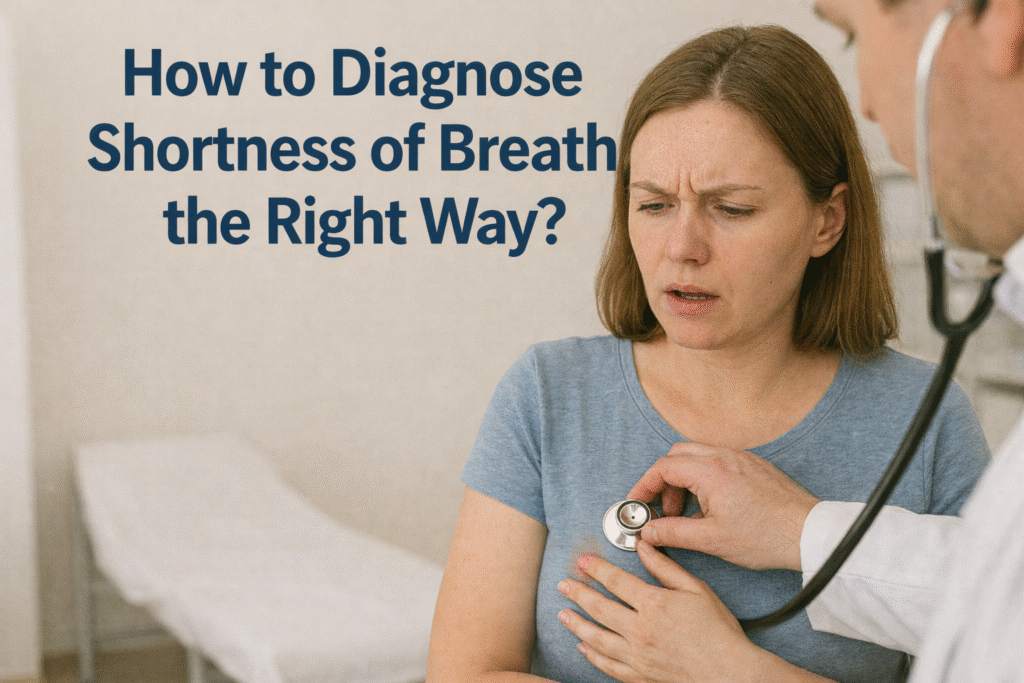
To diagnose shortness of breath, a clinician will evaluate your symptoms; is there evidence of low oxygen levels, perform exams of the heart and lungs, and/or order diagnostic tests like chest x-rays or lab tests. By accurately identifying the cause of the shortness of breath as due to; lung disease, heart conditions, infections, anxiety, or other more serious conditions, you will receive the necessary treatment to avoid possible complications.
Breathing problems and difficulties can occur rapidly; therefore, you will ensure proper treatment with early evaluation and intervention to prevent emergencies from occurring.Breathing difficulties can become dangerous very quickly; this is why an accurate diagnosis is so important.
Why Shortness of Breath Should Never Be Ignored
Breathing takes place with little effort. When you encounter trouble while trying to breathe, your body has notified you that you have a problem. The cause may be due to something that is minor such as an anxiety attack.
Other times, it may be:
- Pneumonia
- Asthma attack
- Heart failure
- Blood clot in the lung
- Severe infection
Early identification can help prevent future problems and limit emergency room visits. Sahara West Urgent Care Las Vegas quickly treat patients to eliminate potential life threatening conditions while minimizing the amount of time spent in the hospital.
What Is Shortness of Breath (Dyspnea)?
Dyspnea, sometimes referred to as “air hunger,” is when you feel like you cannot take a full breath of fresh air. Symptoms may include:
- Feeling tightly wound up in your chest
- Feeling like you need to breathe but cannot get an adequate amount of air
- Breathing quickly
- Having wheeze sounds in your throat or airways
- Having pressure on your chest while lying down
Healthcare providers can identify the cause of dyspnea based on when and how it occurs in relation to other symptoms.
What Questions Help Diagnose the Cause?
All diagnosis starts with directed questions to obtain information from the patient. For example:
- How long have you had this problem?
- Did the problem begin suddenly?
- Have any activities caused or increased your problem?
- Do you have chest pain?
- Have you been coughing or wheezing?
- Do you have a fever?
- Do you smoke?
- Do you have swollen legs?
These questions help identify if your problem is related to your lungs, heart, an infection, or if it’s an anxiety-based problem.
A clear history will allow you to receive your diagnosis more quickly than if your history was unclear.
What Happens During the Physical Exam?
Next, you will have a focused exam.
Your provider will:
- Listen to lungs for crackling sounds and/or wheezing
- Check your heart’s rhythm
- Measure your oxygen level (pulse oximetry)
- Check your blood pressure
- Look for any swelling in your legs
- Assess how hard you are breathing
Any low oxygen levels will require immediate follow-up. Even though low oxygen levels may be mild today, they can have significant consequences tomorrow, such as pneumonia and /or asthma exacerbations.
What Tests Are Used to Diagnose Shortness of Breath?
If the reason for someone’s symptoms isn’t clear, then testing will be used.
1. Pulse Oximetry
A blood-oxygen saturation test would give results in seconds.
2. Chest X-Ray
Detect:
Pneumonia, fluid build-up, collapsed lung, or enlarged heart.
3. Blood Tests
Look for:
- Infection
- Anemia
- Heart strain
- Blood clots
4. Electrocardiogram (EKG)
Tests can also identify irregular heart rhythms or heart attack.
5. Lung Function Test (Spirometry)
Tests measure how well air can move in and out of the lungs in order to diagnose asthma or COPD (chronic obstructive pulmonary disease).
6. CT Scan
Tests may be done if there is suspicion of pulmonary embolism.
At walk-in Sahara West Urgent Care, most tests can be performed upon arrival.
What Are the Most Common Causes?
There are four main types of shortness of breath.
Lung Causes
- Asthma
- COPD
- Pneumonia
- COVID-19
- Pleural effusion
- Pulmonary fibrosis
Heart Causes
- Heart failure
- Arrhythmia
- Cardiomyopathy
- Heart attack
Blood Causes
- Anemia
Other Causes
- Anxiety or panic attacks
- Obesity
- Severe allergic reaction
- Deconditioning
- Medication side effects
In order to make an accurate diagnosis the above conditions have to be ruled out.
When Is It an Emergency?
Call 911 or go to the ER if you have:
- Severe breathing difficulty
- Blue lips or fingertips
- Chest pressure
- Sudden confusion
- Fainting
- Coughing up blood
- One swollen painful leg
You may be having a heart attack, stroke or blood clot.
Do not wait.
When Should You Visit Urgent Care?
If you have shortness of breath with:
- Harder to breathe than usual
- Mild chest discomfort
- An asthma flare on
- Fever and cough
- Winded doing normal daily activities
- Need for oxygen levels checked
You should go to Urgent Care Las Vegas today. Same day is the best time to assess your risk of developing complications for peace of mind.
How Is Shortness of Breath Treated?
Treatment options depend on what caused your symptoms, and can include:
- Asthma Inhaler
- Infection Antibiotics
- Oxygen Therapy
- Blood Thinners
- Diuretic (for Heart Failure)
- Anxiety Treatment Techniques
If your treatment is directed at your symptoms alone, your underlying conditions are not being diagnosed early enough for the appropriate type of therapy to be started; therefore, evaluation always precedes treatment.
Can Shortness of Breath Be Prevented?
Yes, in several circumstances. Prevention methods include:
- Stop using tobacco products
- Maintain a healthy body mass.
- Stay physically fit.
- Take good care of your asthma.
- Maintain proper blood pressure levels.
- Avoid contact with allergens.
- Get all necessary immunizations.
Preventative measures can help reduce the number of trips to the hospital and improve the quality of your lungs over time.
Final Words
Feeling short of breath may be a symptom of a problem that needs to be diagnosed; however, the most important thing is to figure out what’s causing your difficulty as quickly and safely as possible. If you have recently had difficulty breathing or an increase in your symptoms, please go to Urgent Care Las Vegas for an urgent evaluation, the appropriate testing, and recommendations on effective treatment options. It is critical to intervene early; it can mean the difference between life and death.
Frequently Asked Questions
How do doctors figure out what is causing shortness of breath?
They put together the medical history of the symptoms, perform a physical examination, run an oxygen test, and obtain imaging in order to find the likely cause of the problem.
Can anxiety really make it hard to breathe?
Yes. Panic attacks can often present with rapid breathing and tightness in the chest due to hyperventilating, even when there are no underlying issues with the lungs.
Is shortness of breath always serious?
Not always, but any sudden or worsening symptoms need to be evaluated as soon as possible.
What is the first test doctors usually perform?
Commonly performed tests as part of the initial assessment include pulse oximetry and chest X-ray.
Should I go to urgent care or the ER?
Mild to moderate symptoms should go to Urgent Care; severe shortness of breath or chest pain should go to an Emergency Room.
Can dehydration cause breathlessness?
Yes! Severe dehydration can cause the heart to work harder and can lead to fatigue and shortness of breath.