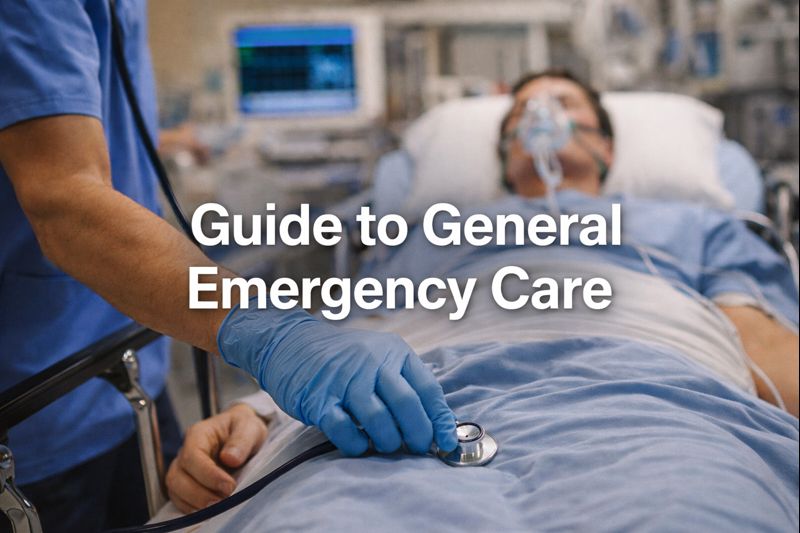
In cases of emergencies, it can be the difference between knowing how to deal with the situation. General emergency care is an urgent service offering immediate care to many acute health conditions, injuries or life-threatening conditions. It could be a sudden injury, an unexpected illness, or a medical crisis; regardless, the general emergency care is crucial in stabilizing patients and providing them with the correct care as soon as possible. Here, our detailed guide will explore what general emergency care involves, the broad categories of emergencies that are addressed, and the best way to maneuver through such circumstances.
What Is General Emergency Care?
General emergency care is medical assistance that is offered to persons experiencing an emergency health situation. It is usually provided in the emergency rooms (ERs), urgent care facilities or pre-hospital emergency medical facilities. It involves numerous medical interventions to stabilize patients and prevent any additional complications until special treatment is available or hospitalization is required.
The Role of Emergency Care Providers
Doctors, nurses, paramedics and emergency medical technicians (EMTs) are emergency care providers. They are supposed to evaluate, treat, and stabilize patients with acute conditions in a short period of time. Such professionals are directed to work with a great diversity of emergencies, such as trauma, heart attack, or serious infections.
Common Types of Emergencies Handled in General Emergency Care
There are several types of emergencies that are typically treated in general emergency care settings:
- Trauma: Injuries from accidents, falls, or violence.
- Heart Issues: Chest pain, heart attacks, or irregular heart rhythms.
- Respiratory Distress: Severe asthma attacks or breathing difficulties.
- Infections: Severe infections like sepsis or pneumonia.
- Abdominal Pain: Acute abdominal conditions like appendicitis or gallstones.
- Neurological Emergencies: Strokes, seizures, or head injuries.
Each emergency situation requires rapid evaluation and intervention to prevent serious outcomes.
How to Recognize When You Need General Emergency Care
Recognizing the signs of a medical emergency can help save lives. Some signs include:
- Chest pain or discomfort
- Severe difficulty breathing
- Uncontrolled bleeding
- Sudden confusion or difficulty speaking
- Severe abdominal pain
- Loss of consciousness
It’s important to seek professional care as soon as these symptoms appear, as timely intervention is key to improving health outcomes.
What to Expect During a General Emergency Care Visit
When you arrive at an emergency care facility, the first step is a triage assessment, where a nurse evaluates the severity of your condition. Depending on the situation, you may receive immediate treatment or be moved to a more specialized area for further care.
Emergency care visits typically include:
- Initial assessment and vital signs monitoring
- Diagnostic tests (X-rays, blood tests, etc.)
- Treatment for injuries or acute conditions
- Stabilization for transport to a hospital (if needed)
Emergency Care for Trauma and Injuries
Trauma care is one of the most common aspects of general emergency care. Trauma can result from various causes such as car accidents, workplace injuries, or falls. The primary goal of trauma care is to control bleeding, stabilize the patient’s condition, and prevent further complications.
Treatment might involve:
- Wound cleaning and suturing
- Splinting fractures
- Administering IV fluids for hydration
- Pain management
Emergency Cardiac Care
Heart-related emergencies like heart attacks, arrhythmias, and severe chest pain require immediate attention. Emergency care providers will assess the situation through an ECG (electrocardiogram) and blood tests to determine the severity of the condition. Early intervention can be lifesaving in these situations.
Treatment includes:
- Administering medications (e.g., blood thinners, pain relievers)
- CPR (if needed)
- Defibrillation (in case of a cardiac arrest)
Respiratory Emergencies: Quick Response for Breathing Difficulties
Breathing problems can arise from conditions like asthma, severe allergic reactions, or respiratory infections. Immediate care for such emergencies typically involves:
- Administering oxygen
- Nebulizers or inhalers for asthma
- Intubation (if necessary)
Emergency care In Las Vegas is essential to restore proper oxygen levels and prevent respiratory failure.
Handling Severe Infections in Emergency Care
Severe infections like sepsis, pneumonia, or urinary tract infections (UTIs) can deteriorate rapidly. Emergency care focuses on diagnosing the infection and beginning immediate treatment, which may involve:
- IV antibiotics
- IV fluids
- Monitoring of vital signs
Pain Management in Emergency Care
Managing pain is a critical aspect of general emergency care. Whether caused by trauma, a medical condition, or an underlying illness, pain relief is a priority. Emergency providers use various medications, including:
- Analgesics (pain relievers)
- Anesthetics for minor procedures
Emergency Care for Children
Pediatric emergency care is different from adult emergency care, as children’s bodies react differently to illnesses and injuries. Emergency rooms or urgent care centers may have pediatric specialists to address common emergencies such as:
- High fever
- Asthma attacks
- Severe injuries (fractures, burns)
When to Choose Emergency Care vs. Urgent Care
While both emergency care and urgent care address immediate health issues, emergency care is for life-threatening conditions that require urgent attention. Urgent care is typically for non-life-threatening conditions like minor injuries, common illnesses, or routine health concerns.
The Importance of Timely Emergency Care
When it comes to medical emergencies, time is of the essence. The quicker you receive care, the better the chances of a positive outcome. Delayed treatment can worsen conditions, increase recovery time, or even lead to permanent damage. Early intervention in general emergency care helps save lives.
Emergency Medical Equipment You Might Encounter
Modern emergency care is supported by advanced medical equipment that allows providers to assess, diagnose, and treat patients swiftly. Some common emergency medical equipment includes:
- Defibrillators
- EKG machines
- Ventilators for respiratory support
- Infusion pumps
How to Prepare for a Medical Emergency
While you can’t predict when an emergency will happen, there are steps you can take to be prepared:
- Know the location of your nearest emergency care center
- Keep emergency contact information handy
- Have a first-aid kit at home and in your car
- Learn basic CPR and first-aid techniques
Conclusion:
In general emergency care, the key to a successful outcome is timely and appropriate treatment. Whether you’re dealing with a trauma, a heart emergency, or severe infection, knowing when and how to seek emergency care can drastically improve your health prognosis. Remember to stay calm, trust healthcare professionals, and always be prepared for unexpected situations.
If you ever find yourself in need of emergency care, don’t hesitate to seek immediate help. Your health is your most important asset, and in emergencies, every second counts. To schedule your appointment with the highest standard of care, visit Sahara West Urgent Care on our website, where you can also explore more informative blogs .
FAQs:
Q1: What are the most common reasons people visit emergency care?
The most common reasons include chest pain, severe injuries, breathing difficulties, strokes, and infections.
Q2: How do I know if my condition requires emergency care?
If you experience symptoms like chest pain, shortness of breath, loss of consciousness, or severe bleeding, you should seek emergency care immediately.
Q3: Can general emergency care handle all types of medical emergencies?
General emergency care can handle most urgent health issues, but some specialized conditions may require transfer to a hospital or specialized facility.
Q4: What should I bring to the emergency care center?
Bring your ID, insurance information, medical history, and a list of any medications you’re currently taking.