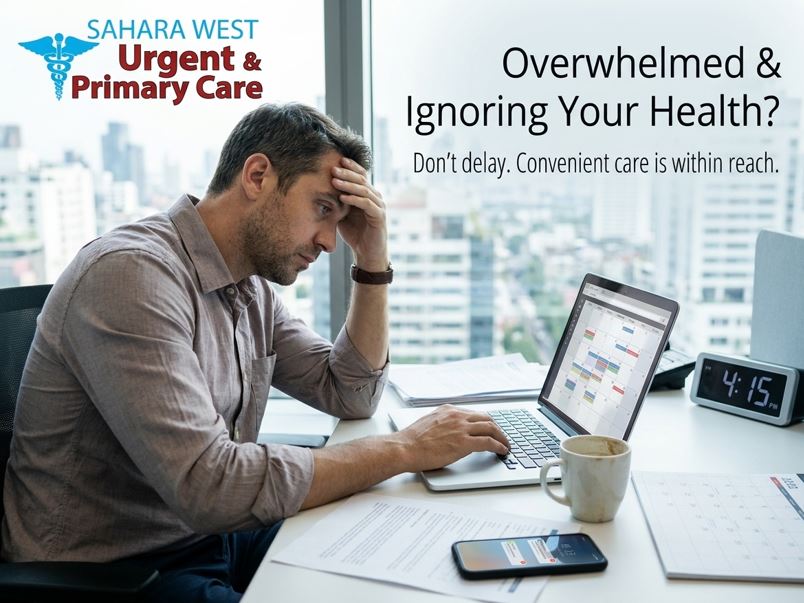
When unexpected health problems arise, busy adults may struggle to find timely medical care. However, many Americans are not ready to accept the fact. A recent Ipsos poll reveals that about one in ten Americans have put off scheduling a medical appointment because it takes too long to get one.
Additionally, 6% of those surveyed said a lack of public transportation options played a role in their decision to delay. Also, 5% cited issues with unreliable or infrequent transportation.
Life can get hectic with work deadlines, family obligations, and daily tasks, making it tough to spare time for your health. As a busy adult, you may ignore an unusual symptom or postpone a medical appointment until things settle down. However, sudden health problems can arise without warning, making it important to respond and make informed decisions.
This article explores how busy adults can handle unexpected health issues more effectively.
Pause and Assess the Situation Before Reacting
When a sudden health problem interrupts a busy day, assessing the situation can help you make a wiser decision. You may feel tempted to ignore discomfort and keep pushing through your work tasks. However, recognizing common warning signs, such as persistent pain, dizziness, breathing difficulties, or unusual weakness, can help you understand when something needs attention.
An article from Cosmopolitan notes that when it comes to health, many people have probably ignored a symptom or two at some point. “Most people do not ignore symptoms because they are careless. They ignore them because the symptoms feel ordinary,” says Dr Waqqas Jalil, a doctor who frequently deals with patients whose symptoms go unchecked for longer than they should.
Instead of immediately panicking or brushing off the symptoms, pause and consider how severe they are and whether they are getting worse. It is equally important to understand that waiting isn’t the safest option. If symptoms suggest a potentially life-threatening emergency, seek immediate medical care rather than waiting for a routine appointment.
For less urgent concerns, contact a healthcare professional to determine the next steps. A calm, thoughtful response can prevent unnecessary delays and help you prioritize your health. It can also help you avoid adding unnecessary stress to an already demanding day.
Use Convenient Healthcare Options When Appropriate
When unexpected symptoms disrupt a busy day, convenient healthcare options can help you get timely attention without unnecessarily rearranging your entire schedule. Consider telehealth consultations, urgent care clinics, or same-day appointments. These services can help you address health concerns early, understand next steps, and avoid delays that might allow certain conditions to worsen.
Speaking with a nurse practitioner can also help you understand your symptoms. Nurse practitioners develop advanced clinical knowledge and patient assessment skills through specialized education and practical training. They can even pursue advanced degrees like Doctor of Nursing Practice.
DNP nurse practitioner programs help nurses gain advanced knowledge and skills without putting their careers on hold. They prepare nurses to guide patients toward appropriate care and lead their teams. They can answer questions when you feel worried about sudden symptoms.
Avoid Self-Diagnosing or Delaying Care
When an unexpected health problem appears, searching online for answers may seem like the quickest solution. Mayo Clinic states that more than one in five adults worldwide turn to AI chatbots like ChatGPT and Gemini for their health questions. It’s fast, convenient, and free. But the information provided isn’t always reliable or accurate. They can’t explain their thought process. These traits are essential for making safe medical decisions.
As a busy adult, you might be tempted to match your symptoms with information online and decide what is wrong without consulting a healthcare professional. However, similar symptoms can have different causes, and relying on assumptions may lead to unnecessary worry or inappropriate treatment. Avoid taking leftover medications or using someone else’s prescriptions to manage a new health concern.
It is equally important not to postpone medical care simply because your schedule is demanding. If symptoms persist, worsen, return repeatedly, or interfere with your daily activities, consult a healthcare professional. Seeking timely advice can really help spot potential issues before they escalate.
Make Follow-Up Part of the Response
Getting medical attention is an important first step, but following through with the recommended care is just as essential. Preventive care Las-Vegas plays a vital role in ensuring your health. According to Cleveland Clinic, preventive care focuses on the support you receive to stay healthy. Regular checkups help your provider track your overall wellness. This proactive approach also helps identify certain conditions and diseases early on, before they worsen.
You may feel tempted to return to your routine as soon as the symptoms improve. However, sticking to prescribed medications, recommended tests, and necessary referrals can help you manage the condition more effectively. Setting reminders for appointments and medications can also help you stay consistent despite a demanding schedule.
Monitoring your symptoms, identifying possible triggers, and noting changes in how you feel can provide useful information during follow-up visits. These details help healthcare professionals assess your progress and make informed decisions about further care. Incorporating follow-up care into your routine can help you tackle future health issues with greater confidence.
FAQs
When should a sudden health problem be treated as an emergency?
If you experience a sudden health issue, seek emergency care, especially if symptoms include intense chest pain, trouble breathing, sudden weakness, or confusion. Don’t wait for symptoms to improve or delay seeking help because of a busy schedule. Contact emergency services immediately to prompt medical attention and reduce the risk of serious complications.
Is urgent care appropriate for sudden but non-life-threatening symptoms?
Yes, urgent care is a great choice for those unexpected symptoms that require quick attention but aren’t necessarily life-threatening. You can receive timely evaluation without waiting for a routine appointment. However, if symptoms become severe or suggest an emergency, seek immediate emergency medical care instead.
How can busy adults prepare for unexpected health problems?
Busy adults can prepare by keeping medical records, medication lists, allergy details, and emergency contacts accessible. Knowing nearby healthcare options, including urgent care clinics and same-day appointments, also helps. Regular checkups and knowing your personal risk factors can help you handle unexpected health issues with confidence.
Key Takeaways
| Factor | How It Affects Timely Healthcare |
| Appointment delays | 10% of Americans postponed scheduling care due to long wait times. |
| Transportation barriers | 6% delayed care due to a lack of public transportation. |
| Unreliable transport | 5% delayed care because transportation was infrequent or unreliable. |
| Busy schedules | Work deadlines and family responsibilities can make it harder to prioritize medical appointments. |
| Limited preparation | Missing medical records or uncertainty about available healthcare services can delay appropriate care. |
Dealing with sudden health issues is easier when you treat health as a fundamental part of your daily life and not just an inconvenience. As a busy adult, you deserve to feel well enough to enjoy your work, relationships, and personal interests.
Making thoughtful choices during uncertain moments can help you feel more secure about your well-being. Remember, caring for yourself is not a distraction from your responsibilities. It is an important part of living a healthier, more balanced, and fulfilling life.

Rodney Paul is a healthcare content writer and contributor at Sahara West Urgent Care & Wellness in Las Vegas, NV. He focuses on translating clinical guidelines and urgent care topics into clear, accessible information to help patients make informed decisions about same-day medical care, preventive screenings, and wellness services.